
Can you legally ride a dirt bike on the street? Yes, you can, but it requires specific modifications and adherence to local laws. This guide will walk you through the entire process of making your dirt bike street legal, from gathering the necessary street legal dirt bike parts to the final registration. This comprehensive guide covers everything you need to know about making a dirt bike street legal and is your ultimate resource for a successful dirt bike street conversion.
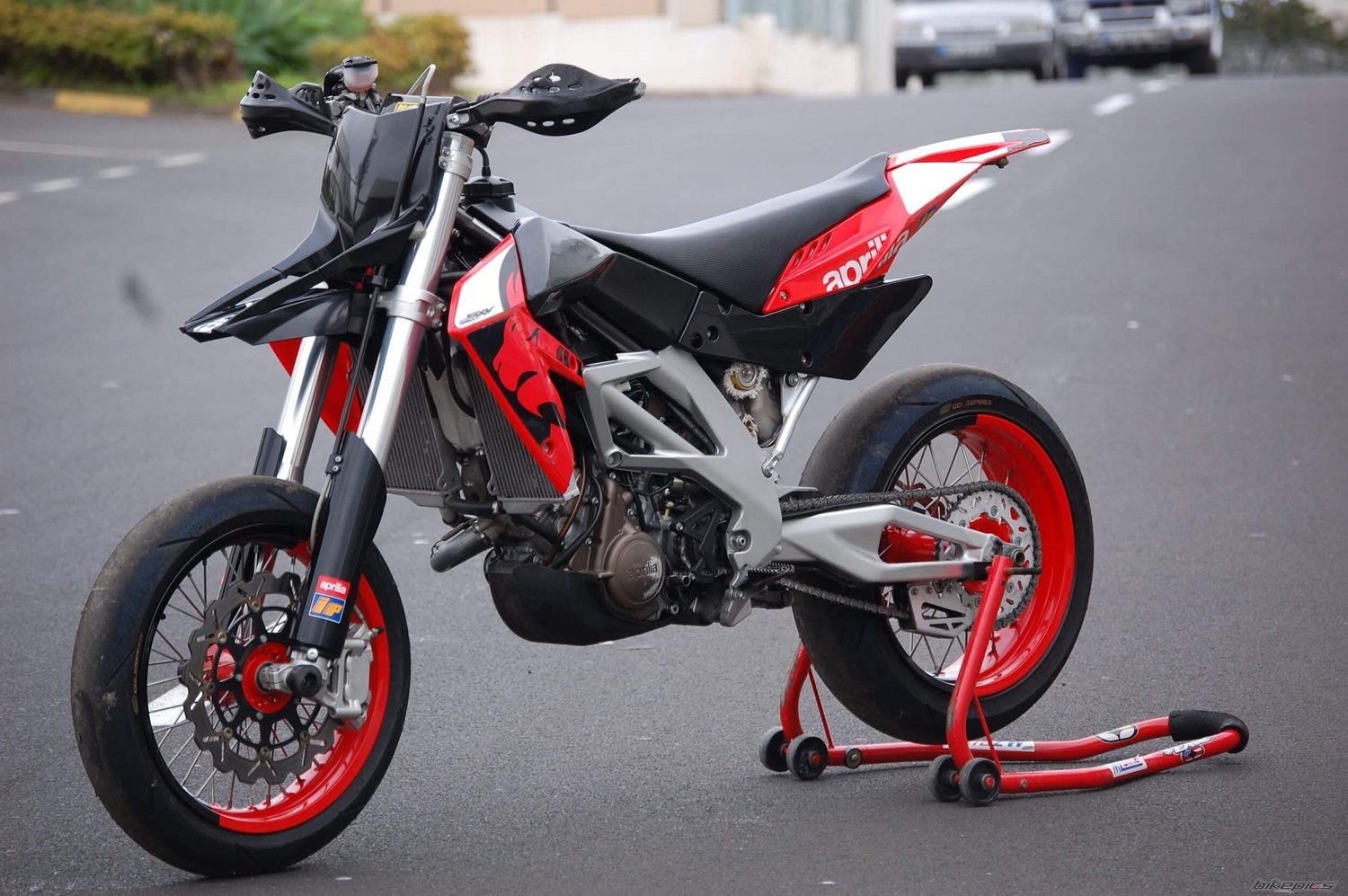
Image Source: images.squarespace-cdn.com
Deciphering the Requirements: What You Need
The core of converting a dirt bike to motorcycle status for street use lies in meeting legal requirements. These can vary significantly by state or even county, so your first step is always to check with your local Department of Motor Vehicles (DMV) or equivalent agency. However, most jurisdictions generally require the following:
- Lights: A functioning headlight (high and low beam), taillight, and brake light are essential.
- Turn Signals: Front and rear turn signals are usually mandatory.
- Horn: A loud, audible horn is needed.
- Mirrors: At least one rear-view mirror, often two, is required.
- Tires: Tires must be DOT-approved, meaning they meet Department of Transportation standards for road use.
- Speedometer: A working speedometer to indicate your speed.
- Odometer: An odometer to track mileage is also often a requirement.
- Exhaust: The exhaust system must meet noise and emissions standards, which can be tricky for dirt bikes.
- VIN: A Vehicle Identification Number (VIN) that is traceable for registration.
Essential Street Legal Dirt Bike Parts
To achieve street legality, you’ll need to source specific components. Many companies offer street legal dirt bike conversion kits, which bundle many of these items. These kits can be a convenient and cost-effective way to get started. If you prefer to piece things together, here are the common street legal dirt bike parts you’ll likely need:
- Headlight: A dual-filament bulb for high and low beams is crucial.
- Taillight/Brake Light Combo: A unit that functions as both the taillight and the brighter brake light when activated.
- Turn Signal Switches and Lights: Front and rear lights, often with integrated housings.
- Handlebar-Mounted Switches: For controlling the turn signals, horn, and headlight.
- Rearview Mirror(s): Look for durable, vibration-resistant mirrors designed for motorcycles.
- Horn: A compact, loud horn that can be wired into your bike’s electrical system.
- Speedometer: Many street-legal dirt bikes use digital speedometers that can be mounted on the handlebars.
- DOT-Approved Tires: These will have the DOT marking on the sidewall.
- Fenders: While dirt bikes have fenders, you might need to adapt or replace them to accommodate lights and turn signals properly.
- Wiring Harness: A universal wiring harness can help connect all your new electrical components.
- License Plate Bracket and Light: A place to mount your license plate and a small light to illuminate it.
The Conversion Process: Step-by-Step
Making a dirt bike street legal involves a systematic approach to installing and wiring the necessary components. It’s not just about bolting on parts; it’s about ensuring they are functional, safe, and compliant with regulations.
Step 1: Research and Planning
Before you buy a single part, do your homework.
- Local Laws: As mentioned, this is paramount. Visit your DMV’s website or speak with an agent. Some states have specific forms or inspection requirements.
- Bike’s Electrical System: Understand your bike’s existing electrical capacity. Dirt bikes often have minimal electrical systems. You might need a more powerful stator or a battery kit to power all the added accessories.
- Parts Compatibility: Ensure the parts you choose are compatible with your bike’s make and model, or that they are universal and can be adapted.
Step 2: Acquiring the Necessary Parts
Once you’ve planned, it’s time to gather your components.
- Street Legal Dirt Bike Conversion Kits: These can be a good starting point, often including most of the essential electrical components.
- Individual Parts: If you’re building your own kit, you can source parts from online retailers specializing in motorcycle parts, off-road suppliers, or even salvage yards.
- Wiring Supplies: Don’t forget electrical tape, wire connectors, zip ties, and potentially a soldering iron.
Step 3: Installing the Lights
This is the most involved part of the dirt bike street conversion.
Headlight Installation
- Most dirt bikes come with a headlight, but it might not be a dual-beam setup or meet DOT standards.
- If you’re replacing it, ensure the new headlight mounts securely to your bike’s triple clamps or headlight bracket.
- Wire the headlight according to the manufacturer’s instructions, connecting the low beam, high beam, and ground wires.
Taillight and Brake Light Installation
- Many dirt bikes have a simple taillight. You’ll need a unit that also functions as a brake light.
- Mount the taillight securely to the rear fender or a custom bracket.
- Wire the taillight to your bike’s running light circuit and the brake light switch. You’ll need to find or install a brake light switch. This can be a hydraulic switch activated by the brake fluid pressure on the brake lever, or a mechanical switch activated by the brake pedal or lever.
Turn Signal Installation
- Mount the front turn signals on the handlebars or near the headlight.
- Mount the rear turn signals on the rear fender or a dedicated bracket.
- Wire the turn signals to a flasher relay and a handlebar-mounted switch. Ensure the wiring is routed neatly and secured to prevent it from snagging or shorting out.
Step 4: Installing the Horn and Mirrors
- Horn: Mount the horn in a location where it’s protected and easily accessible for wiring. Connect it to your electrical system via a relay and a horn button.
- Mirrors: Attach the dirt bike mirrors street legal securely to the handlebars. Ensure they provide a clear view of what’s behind you.
Step 5: Speedometer and Odometer
- Speedometer: If your bike doesn’t have a speedometer, you’ll need to install one. Digital speedometers often use a sensor that attaches to the front wheel’s brake rotor or hub.
- Odometer: Most digital speedometers also include an odometer function.
Step 6: Tire Replacement
- Dirt bike street tires are a critical safety component. Ensure you purchase tires with the DOT marking.
- Removing and installing tires can be challenging. If you’re not experienced, consider having a professional motorcycle shop do this for you.
Step 7: Exhaust System Considerations
- This can be one of the trickiest parts of a dirt bike street conversion. Many dirt bike exhausts are loud and may not meet emissions standards.
- You might need to install a quieter, street-legal muffler or a completely different exhaust system. Check with local regulations regarding noise levels and emissions.
Step 8: Wiring and Electrical System Upgrade
- Wiring Harness: A proper wiring harness ensures all components are connected safely and reliably.
- Battery: If your dirt bike is kick-start only and lacks a battery, you’ll likely need to install a battery and charging system (stator and rectifier/regulator) to power the lights, horn, and signals. This can be a significant undertaking.
- Circuit Protection: Use fuses or circuit breakers to protect your electrical system from short circuits.
The Registration and Inspection Process: Getting Legal
Once your bike is physically converted, the next hurdle is how to register a dirt bike for street use.
Step 1: The Inspection
- Many states require a safety inspection before you can register a vehicle that has been converted for street use.
- The inspector will check that all your installed components are working correctly and meet the legal requirements. Bring your receipts for the street legal dirt bike parts if possible.
Step 2: Obtaining a VIN and Title
- If your dirt bike doesn’t have a standard DOT-compliant VIN, you might need to go through a process to get a new VIN assigned. This often involves a VIN inspection and paperwork.
- Ensure you have a clear title for the dirt bike. If you bought it from someone else, make sure the title is properly transferred to your name.
Step 3: Insurance
- You will need motorcycle insurance to register your bike for street use. Be prepared to provide your VIN and other details about the bike.
Step 4: Registration and Plate
- With all paperwork in order, including your proof of insurance and passed inspection, you can head to the DMV to register your bike and get your license plate.
- Make sure to display your license plate correctly, often on a dedicated bracket at the rear of the bike, and ensure the plate light is functional.
Dual Sport Conversion Dirt Bike: A Popular Choice
Many riders opt for a dual sport conversion dirt bike to gain the best of both worlds. A true dual-sport motorcycle is manufactured by the factory to be ridden on both streets and off-road. However, converting a pure dirt bike to a street-legal machine is often referred to as a dual sport conversion dirt bike project. The goal is to make it capable of legal road travel while retaining its off-road prowess.
Advantages of a Dual Sport Conversion
- Versatility: The primary advantage is the ability to ride on pavement to reach trails or explore different areas, and then switch to off-road riding.
- Cost-Effectiveness: It can be cheaper than buying a factory-built dual-sport if you already own a suitable dirt bike.
- Customization: You can tailor the bike precisely to your needs and preferences.
Considerations for Dual Sport Conversions
- Suspension: Dirt bike suspension is typically much stiffer and longer travel than a street bike’s. While you want it to handle off-road, it needs to be manageable on the street. Adjustments or re-valving might be necessary.
- Gearing: Dirt bikes often have shorter gearing for acceleration. For street riding, you might want to consider taller gearing to reduce engine RPM at highway speeds.
- Seat: Dirt bike seats are usually narrow and hard. For longer street rides, a more comfortable, wider seat might be desirable.
- Tire Choice: Selecting the right dirt bike street tires is crucial. A tire with a more aggressive tread pattern can still offer decent grip on pavement, but a 50/50 dual-sport tire will be a good compromise.
Common Challenges and How to Overcome Them
The process of making a dirt bike street legal isn’t always straightforward. Here are some common challenges and tips:
Challenge: Electrical System Capacity
- Issue: Dirt bikes often have very basic electrical systems designed only for ignition and a small headlight. Adding turn signals, a horn, and a brake light can overload the system.
- Solution:
- Upgrade the stator: Many aftermarket stators offer higher output.
- Install a battery: A battery acts as a buffer and allows you to run accessories even when the engine isn’t at high RPM. You’ll need a rectifier/regulator to charge it.
- Use LED lights: LEDs draw significantly less power than incandescent bulbs.
Challenge: Obtaining a VIN and Title
- Issue: Some older dirt bikes may not have a 17-digit VIN, or the VIN may not be easily traceable for street registration.
- Solution:
- VIN Plate: Check all possible locations for a VIN plate (steering headstock, frame downtube).
- Manufacturer Records: Contact the manufacturer with your frame number to see if they can provide documentation.
- State VIN Assignment: If no VIN is present or traceable, your state DMV will have a process for assigning a new VIN after inspection. This can be lengthy.
Challenge: Exhaust Noise and Emissions
- Issue: Dirt bike exhausts are often loud and lack catalytic converters or emissions controls.
- Solution:
- Aftermarket Street Mufflers: Look for mufflers specifically designed to reduce noise and meet EPA standards.
- Quiet Cores/Spark Arrestors: Some aftermarket spark arrestors can also help quiet the exhaust.
- Full Exhaust Systems: Some manufacturers offer street-legal exhaust systems for specific dirt bike models.
Challenge: Finding DOT-Approved Tires
- Issue: Not all dirt bike tires are DOT-approved.
- Solution:
- Read Sidewalls Carefully: Look for the “DOT” marking.
- Dual-Sport Tires: Many companies offer dual-sport tires that are DOT-approved and suitable for both on and off-road. Brands like Dunlop, Bridgestone, and Michelin have good options. When choosing dirt bike tires for street use, prioritize tread life and wet-weather grip.
Challenge: Wiring Complexity
- Issue: Connecting all the new electrical components can be daunting if you’re not familiar with electrical systems.
- Solution:
- Diagrams: Obtain wiring diagrams for your bike and any new components.
- Online Forums and Guides: Many online communities offer detailed guides and advice.
- Hire a Professional: If you’re uncomfortable with wiring, consider having a qualified motorcycle mechanic do it.
Final Thoughts on Your Street Legal Dirt Bike Project
Converting a dirt bike to motorcycle for street use is a rewarding project that can significantly expand your riding possibilities. It requires patience, attention to detail, and a thorough understanding of your local laws. By carefully selecting your street legal dirt bike parts, meticulously performing the conversion, and navigating the registration process, you can transform your off-road machine into a versatile street-legal ride. Remember, safety is paramount, so ensure all modifications are robust and functional.
Frequently Asked Questions (FAQ)
Q1: Is it legal to put street tires on a dirt bike?
A1: Yes, but the tires must be DOT-approved, meaning they meet Department of Transportation standards for road use. Standard knobby dirt bike tires are generally not street legal.
Q2: How much does it cost to make a dirt bike street legal?
A2: The cost can vary widely, from a few hundred dollars for basic kits and DIY labor to several thousand dollars if you need significant electrical upgrades, new exhaust systems, and professional installation.
Q3: Can I use a dirt bike headlight as a street legal headlight?
A3: Potentially, but it needs to be a dual-beam headlight (high and low settings) and meet brightness and aiming regulations. Many dirt bike headlights are single-beam and may not be bright enough for legal street use.
Q4: What states are most lenient for street legal dirt bikes?
A4: Laws vary greatly. Some states have more streamlined processes for registering off-road vehicles for street use than others. It’s crucial to research your specific state’s regulations.
Q5: Do I need a special license to ride a street legal dirt bike?
A5: Yes, you will need a motorcycle endorsement on your driver’s license, and the dirt bike must be registered and insured for street use.
Q6: Can I register a dirt bike without a title?
A6: This is very difficult and depends heavily on your state’s laws. Most states require a title to register a vehicle for street use. If you lack a title, you may need to pursue a bonded title or title recovery process, which can be complex and time-consuming.
Q7: What kind of insurance do I need for a street legal dirt bike?
A7: You will need standard motorcycle insurance, which typically includes liability coverage. Comprehensive and collision coverage are also available options.
Q8: Can I use a temporary tag on a newly street-legal dirt bike?
A8: This depends on your state’s laws. Some states allow temporary tags to allow you to get the bike inspected and permanently registered.
Q9: How do I find street legal dirt bike parts?
A9: You can find street legal dirt bike parts from online motorcycle parts retailers, specialized off-road shops, and companies that sell street legal dirt bike conversion kits.
Q10: Are there any kits for dual sport conversion dirt bike projects?
A10: Yes, many companies offer dual sport conversion dirt bike kits that provide many of the necessary components to make the conversion easier.