So, how do you teach a child to ride a bike? It’s a common question, and the answer is a journey of patience, fun, and small steps. Most children can learn to ride a bike between the ages of 4 and 6, but readiness varies. The key is to focus on building confidence and mastering one skill at a time.
Learning to ride a bike is a significant milestone for any child, a rite of passage that unlocks independence and a new world of exploration. It’s a process that builds physical coordination, problem-solving skills, and a healthy dose of resilience. While the image of a child wobbling precariously on two wheels might bring a mix of excitement and a touch of anxiety, guiding them through this experience can be incredibly rewarding. This guide breaks down the process into manageable steps, ensuring a positive and successful learning experience for both you and your child.
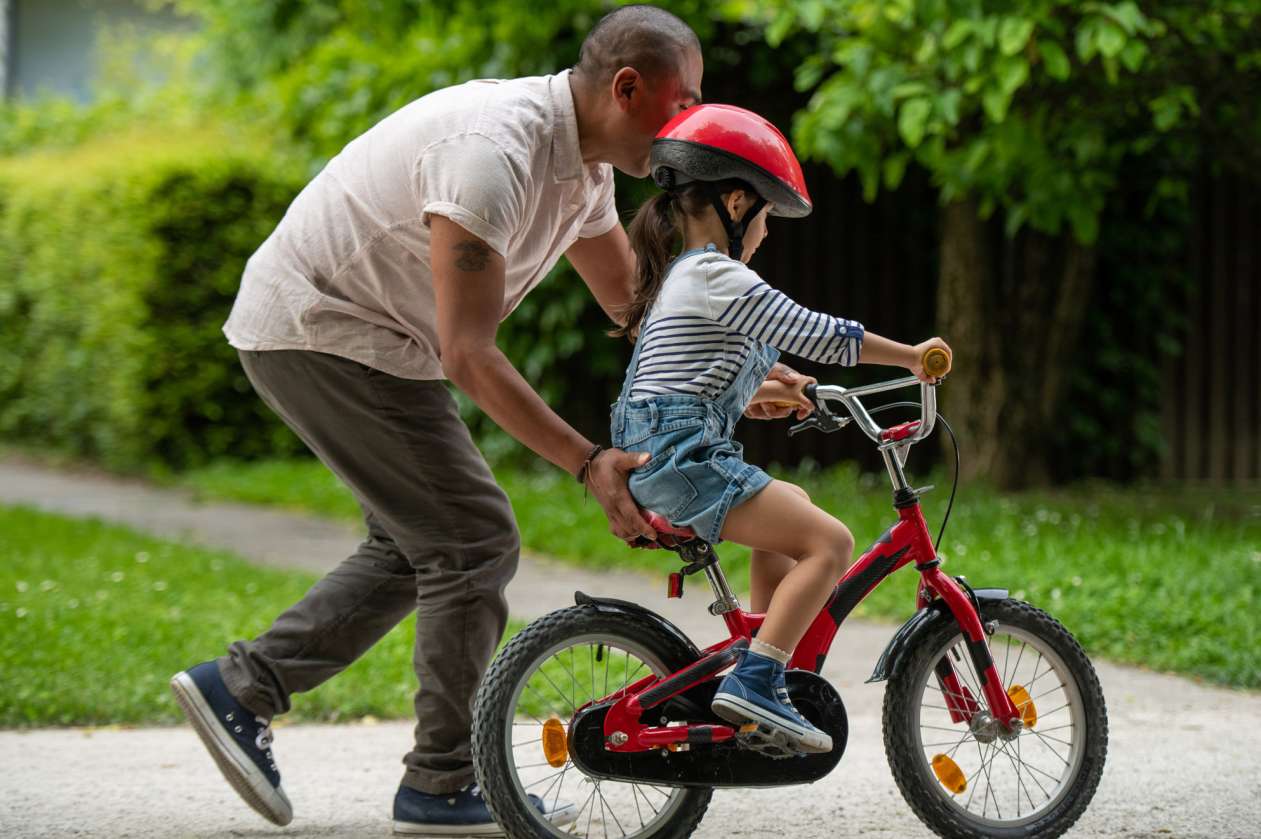
Image Source: activeforlife.com
Getting Started: The Right Equipment
Before you even think about pedaling, ensure you have the right gear. This makes a world of difference in how easily your child learns and how safe they feel.
Choosing the Right Bike
The most crucial decision is selecting a bike that fits your child. A bike that’s too big or too small will make learning much harder and less safe.
- Size Matters: When your child stands over the bike, they should have about 1-3 inches of clearance between the top tube of the frame and their crotch. When seated, they should be able to place the balls of their feet on the ground. This allows them to push off and stop safely.
- Weight: Look for a lightweight bike. A heavy bike is harder for a child to control and maneuver.
- Brakes: Most kids’ bikes have coaster brakes (pedaling backward to stop) and sometimes hand brakes. Ensure your child can comfortably reach and operate the hand brakes if they are present. For very young children, coaster brakes are often easier to learn with.
Essential Safety Gear
Safety tips are paramount from the very beginning. Never compromise on safety equipment.
- Helmet: This is non-negotiable. A properly fitting helmet use is the most important piece of safety gear. Ensure it sits level on their head, covering the forehead, and the straps are snug but not too tight.
- Closed-toe Shoes: No sandals or flip-flops. Sturdy shoes protect their feet and provide good grip.
- Pants and Long Sleeves (Optional): While not strictly necessary, comfortable long pants and sleeves can offer some protection against scrapes during inevitable tumbles.
The Debate: Balance Bike vs. Training Wheels
This is a common point of discussion for parents. Which is the better starting point?
-
Balance Bike:
- What is a balance bike? A balance bike is a two-wheeled bicycle without pedals. Children use their feet to push off the ground and propel themselves forward.
- Pros:
- Teaches balance and steering from the start.
- Many children transition to pedal bikes much faster after using a balance bike.
- Develops core strength and coordination.
- Less intimidating for some children.
- Cons:
- Requires a separate purchase if you plan to transition to a pedal bike anyway.
- Some children might not want to move to a pedal bike immediately.
-
Training Wheels:
- What are training wheels? These are small wheels that attach to the rear axle of a bicycle, providing extra stability.
- Pros:
- Allows children to learn pedaling and steering without the immediate fear of falling.
- Can be a familiar and comforting method for many.
- Cons:
- Can create a false sense of security and delay the development of actual balance.
- Children may lean heavily on them, hindering their ability to learn to lean into turns.
- Transitioning from training wheels to a two-wheeler can be a bigger leap.
Our Recommendation: For most children, starting with a balance bike is often the most effective and fastest way to teach them to ride. It directly addresses the core skill of balancing, which is often the hardest part of learning to ride a pedal bike. Once they’ve mastered balancing and gliding on a balance bike, transitioning to a pedal bike is significantly easier.
Phase 1: Mastering Balance and Gliding
This phase is all about helping your child get comfortable with the feeling of moving on two wheels and developing their sense of balance.
Getting Started with a Balance Bike
- Seat Height Adjustment: Ensure the seat is low enough so your child can sit with their feet flat on the ground and knees slightly bent. This allows them to comfortably push off.
- Encourage Walking and Running: Let your child walk the bike around. Encourage them to run with it, getting a feel for its weight and how it moves.
- Gliding: As they gain confidence, encourage them to lift their feet off the ground and glide for longer distances. Look for a slight downhill slope in a safe, open area to help them build momentum naturally.
- Steering: Remind them to steer smoothly. If they over-steer, they will likely tip. Gentle movements are key.
- Practice Stopping: Teach them how to use their feet to slow down and stop.
Transitioning to a Pedal Bike (with Pedals Removed)
If you’re starting with a pedal bike, the first step is to remove the pedals. This effectively turns it into a balance bike.
- Pedal Removal: Use a pedal wrench (usually 15mm) to remove the pedals. Remember, the left pedal often has reverse threads, so you’ll turn it clockwise to loosen. The right pedal is standard (counter-clockwise to loosen).
- Seat Height: Adjust the seat so, again, the child can have their feet flat on the ground with knees slightly bent.
- The Process: Follow the same steps as with a dedicated balance bike: walking, running, and gliding.
What to Look For: Success Markers
- Child is comfortably pushing off and gliding for several seconds.
- Child can steer while gliding.
- Child can place their feet down to stop safely.
- Child shows enthusiasm and confidence.
Phase 2: Introducing Pedaling
Once your child has a good grasp of balance and can glide effectively, it’s time to reintroduce the pedals.
Reattaching Pedals and Adjusting the Seat
- Reattach Pedals: Screw the pedals back onto the crank arms. Ensure you’re using the correct side (marked L for left, R for right) and tighten them securely.
- Seat Height Adjustment: This is crucial for learning to pedal. Raise the seat slightly. Your child should now be able to reach the pedals with their feet, but they should no longer be able to put their feet flat on the ground while seated. They should be able to touch the ground with the balls of their feet. This slight elevation is necessary to allow for proper leg extension when pedaling.
- Handlebar Height: Ensure the handlebars are comfortable and allow for a relaxed bike posture.
The First Pedaling Attempts
- Gentle Push-Off: Have your child place one foot on a pedal in the forward position (around the 2 o’clock position). You can give them a gentle push from behind to get them moving.
- Focus on Pedaling: As they start moving, encourage them to pedal forward. Initially, they might just make a few half-hearted rotations. That’s perfectly normal.
- Steering and Balance: Remind them to look where they want to go, not down at their feet. This helps with steering and maintaining balance.
- Braking: Practice using the brakes. If they have hand brakes, demonstrate how to squeeze them gently. If they have coaster brakes, remind them to pedal backward.
Common Challenges and Solutions
- Hesitation to Pedal: Some children might be reluctant to pedal because they’re afraid of losing balance. Encouragement is key here.
- Solution: Start on a very slight downhill so gravity helps them move. You can also run alongside them, offering gentle verbal support and perhaps a hand on their back for reassurance.
- Wobbling: Wobbling is natural as they learn to coordinate pedaling, steering, and balance.
- Solution: Keep sessions short and positive. Emphasize looking ahead. As they gain speed, wobbling usually decreases.
- Difficulty Coordinating Pedaling and Steering: This is a complex motor skill.
- Solution: Break it down. Practice pedaling in a straight line first. Once they are comfortable with that, introduce gentle turns.
Phase 3: Building Confidence and Independence
This is where the real fun begins – seeing your child gain confidence and start to ride independently.
Practicing on Different Surfaces
- Smooth Pavement: Ideal for initial pedaling practice.
- Grassy Areas: Softer landings if they fall, but can be harder to pedal on. Good for practicing balance in a lower-stakes environment.
- Slight Inclines: Once they are comfortable, slight uphill slopes can help them practice pedaling with more force, and the downhill return can be a fun reward.
Developing Bike Posture and Control
Proper bike posture is important for efficiency and control.
- Relaxed Arms: Encourage them to keep their arms relaxed, not stiff.
- Looking Ahead: This is the golden rule. Looking ahead allows them to anticipate obstacles and steer more effectively.
- Body Position: A slight bend in the knees and elbows absorbs bumps and improves control.
Dealing with Falls and Getting Up
Falling and getting up is an integral part of learning.
- Expect Falls: Tumbles are inevitable. Don’t overreact.
- Stay Calm: Your calm reaction will help your child stay calm.
- Praise Effort: Focus on their effort and bravery, not the fall itself.
- Quick Check: Ensure they are okay. A scraped knee is usually nothing to worry about.
- Encourage Them to Try Again: “That was a good try! Let’s try again.”
The Role of Encouragement and Positive Reinforcement
Encouragement is the fuel that drives learning.
- Celebrate Small Wins: Every successful glide, every smooth pedal stroke, every successful stop is a victory.
- Be Patient: Some children learn faster than others. Avoid comparisons.
- Keep it Fun: If it feels like a chore, they won’t want to do it. Make it an adventure.
- Positive Language: Use words like “great job,” “you’re doing it,” “keep trying.”
Phase 4: Achieving Independent Riding
This is the ultimate goal – your child pedaling and steering with confidence and freedom.
Graduating from Training Wheels (if applicable)
If you used training wheels, the next step is to remove them.
- Gradual Removal: Some parents start by raising the training wheels so they only lightly touch the ground, forcing the child to rely more on their own balance.
- Full Removal: Once the child is comfortable, remove the training wheels entirely.
- Back to Balance Bike Basics: Revert to the gliding phase described earlier, but on the pedal bike. They will need to use their feet to balance initially.
Practicing and Building Endurance
- Short, Frequent Sessions: Multiple short sessions are often more effective than one long, tiring one.
- Introduce Gentle Turns: As they gain confidence, introduce wider turns.
- Obstacle Courses: Set up simple cones or markers for them to weave around.
Celebrating Progress and Independence
- Acknowledge Achievement: When they are riding independently, make a big deal of it! It’s a huge accomplishment.
- Explore New Places: Take them to parks or bike paths for longer rides.
- Future Rides: Discuss future biking adventures, like family bike rides.
Important Safety Tips to Remember Throughout the Process
Reinforce safety tips at every stage.
- Always Wear a Helmet: We can’t say this enough. Helmet use is paramount.
- Check the Bike: Before each ride, do a quick check: tires are inflated, brakes work, chain is on.
- Safe Riding Areas: Always choose safe, open, traffic-free areas for learning. Parks, empty parking lots, or quiet cul-de-sacs are ideal.
- Supervision: Never leave a child unattended while they are learning to ride.
- Visibility: If riding in areas where there might be occasional cars, bright clothing is a good idea.
- Introduce Traffic Rules: As they get older and more proficient, start teaching them basic traffic rules, like stopping at intersections and looking both ways.
Frequently Asked Questions (FAQ)
Q1: How long does it typically take to teach a child to ride a bike?
A: The time it takes varies greatly from child to child. Some children pick it up in a few hours of practice, while others might take several weeks or even months. Patience and consistent, positive practice are key.
Q2: My child is scared of falling. What can I do?
A: Start with a balance bike or remove the pedals from their pedal bike. This allows them to learn balance without the immediate fear of pedaling and falling. Emphasize that falling is a normal part of learning and that you are there to help them get back up. Keep practice sessions short and fun, and praise their bravery for trying.
Q3: Should I hold onto the bike while they ride?
A: It’s generally better to avoid holding onto the seat or handlebars for too long, as this can prevent them from learning to balance themselves. Instead, provide gentle support by running alongside them or offering a hand on their back for reassurance. As they gain confidence, gradually reduce your physical support.
Q4: When should I introduce hand brakes versus coaster brakes?
A: Coaster brakes (pedaling backward) are often easier for very young children to grasp initially. Hand brakes require more coordination. Once they are comfortable with basic pedaling and steering, start introducing hand brakes on a flat, safe surface. Practice makes perfect with hand brakes.
Q5: My child learned to balance on a balance bike but struggles with pedaling on a pedal bike. What’s the issue?
A: This is quite common! The challenge is coordinating balance, steering, and pedaling simultaneously. Ensure the seat height is correct so they can comfortably reach the pedals with the balls of their feet. Start on a very slight downhill so gravity helps them get moving, making it easier to focus on pedaling. Continue to offer verbal encouragement and gentle support.
Q6: How often should we practice?
A: Short, frequent practice sessions are usually more effective than long, drawn-out ones. Aim for 15-30 minutes a few times a week. Consistency is more important than duration.
Q7: What’s the best place to practice?
A: Find a large, flat, open area free from traffic and obstacles. Grassy fields, empty school playgrounds, or quiet park paths are excellent choices. Avoid busy streets or areas with steep hills until your child is a confident rider.
Q8: My child wants to ride with training wheels. Should I let them?
A: While training wheels can be a starting point, many experts recommend against them or suggest using them only briefly. They can hinder the development of essential balance skills. If you do use them, try to raise them gradually so the child starts to rely more on their own balance. The balance bike method is often more efficient for teaching true riding skills.
Q9: My child is very determined but also gets frustrated easily. How do I manage this?
A: Acknowledge their feelings. Say something like, “I see you’re feeling frustrated.” Then, redirect their focus. “Remember how well you glided earlier? Let’s try that again.” Celebrate their effort and persistence, not just the successful outcome. Sometimes, taking a short break and coming back to it later can also help.
Q10: What are the signs that my child is ready to ride independently?
A: They can pedal smoothly for a reasonable distance, steer confidently, look ahead, and manage their speed and stopping with the brakes. They show consistent control and confidence without needing constant physical support from you.
By following these steps and focusing on patience and encouragement, you can help your child achieve the joy and freedom of independent riding. It’s a journey filled with small victories, a few tumbles, and ultimately, a wonderful memory. Happy biking!