
Imagine spotting a tiny flash of vibrant color in the distance, a bird you’ve only dreamed of seeing. But how do you get a closer look without scaring it away? This is where a monocular shines! For birdwatchers, binoculars can feel bulky and slow. Sometimes, you just need a quick, clear view of a fleeting feathered friend.
Choosing the perfect monocular for birding can be tricky. There are so many different kinds! You might wonder about magnification, lens size, and what makes one monocular better than another for spotting birds. It’s easy to feel overwhelmed by all the technical terms.
But don’t worry! By the end of this post, you’ll understand what to look for. We’ll break down the important features so you can pick a monocular that truly enhances your birding adventures. Get ready to discover a world of detail you’ve been missing!
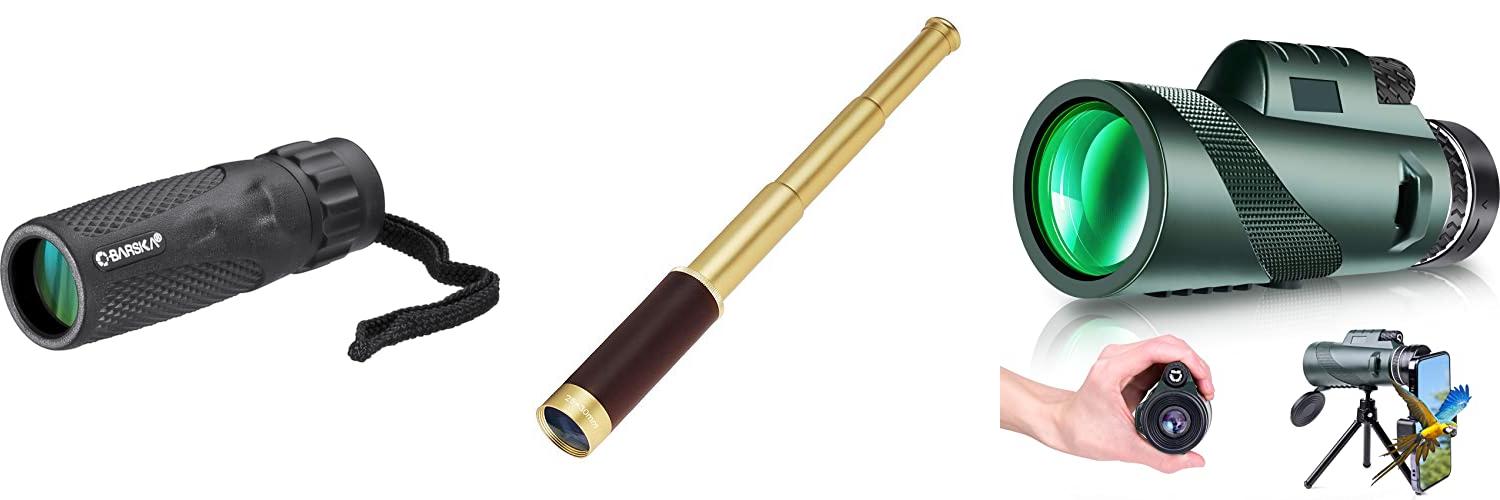
Our Top 5 Monocular For Birding Recommendations at a Glance
Top 5 Monocular For Birding Detailed Reviews
1. Barska 10×25 Blackhawk Waterproof Monocular – Compact

Rating: 8.6/10
The Barska 10×25 Blackhawk Waterproof Monocular is a handy tool for anyone who loves the outdoors. It’s small and easy to carry. You can use it for watching birds, going on hikes, or enjoying sports games and concerts. This monocular helps you see things up close with clear and bright pictures.
What We Like:
- Stunning multi-coated lenses make images super clear and bright.
- It’s 100% waterproof and fog-proof because it’s nitrogen purged and O-ring sealed. This means it works well no matter the weather.
- The diamond-textured grip feels good and keeps the monocular steady in your hand.
- Shock-absorbing rubber protects the monocular and gives you a better, non-slip grip.
- It comes with a carrying case, wrist strap, lens covers, and a lens cloth, so you have everything you need.
- It’s compact and lightweight, making it easy to take anywhere.
What Could Be Improved:
- Some users might find the 10x magnification limits the view for very distant objects.
- While good for its price, the image quality might not match that of much more expensive, professional-grade optics.
This monocular offers great value for its features and performance. It’s a reliable companion for all your outdoor adventures.
2. Telescope Brass Spyglass Pirate Monocular

Rating: 8.9/10
Ahoy, adventurers! Get ready to set sail on a journey of discovery with the Telescope Brass Spyglass Pirate Monocular. This isn’t just any telescope; it’s a vintage-inspired, waterproof pocket-sized marvel that brings the thrill of exploration right to your fingertips. Imagine yourself as a swashbuckling captain, scanning the horizon for distant treasures or spotting exotic birds on your next hike. This monocular is designed to make those dreams a reality!
What We Like:
- It’s made with awesome quality! The telescope has a shiny gold aluminum-alloy plating and a comfy leather grip that protects it.
- You get a super clear and wide view. The 25x30mm magnification lets you see things far away, like spotting landmarks from 1000 yards away.
- It’s tiny and folds up! This pocket telescope is super light and easy to take with you anywhere, so you’ll never miss a cool sight.
- It’s perfect for anyone who loves the outdoors. It works even when it’s a little dark, making it great for bird watching, hiking, or even letting kids live out their pirate fantasies.
- You get a complete package! It comes with a poncho, lens cloth, and a user manual.
What Could Be Improved:
- While it’s great for general viewing, the 25x magnification might be a bit too much for very close-up objects if you’re trying to focus on something right in front of you.
- The vintage design is charming, but some users might prefer a more modern, sleek look for their gear.
This pirate monocular is a fantastic tool for outdoor fun and a unique addition to any collection. Grab yours and start exploring the world with a touch of classic adventure!
3. 50X60 Monocular Telescope

Rating: 8.5/10
Unleash your inner explorer with the 50X60 Monocular Telescope! This powerful tool brings the world closer, offering crystal-clear views for all your outdoor adventures. Whether you’re a bird watcher, a hunter, or simply love to explore nature, this monocular is your perfect companion.
What We Like:
- The 50x magnification and 60mm objective lens provide incredibly bright and sharp images, thanks to fully multi-coated lenses.
- It comes with a stable smartphone adapter and tripod, making it easy to capture shake-free photos and videos of your discoveries.
- High-definition optics with BAK-4 prisms and FMC lenses ensure excellent light transmission, even in low-light conditions, offering a useful low-light night vision capability.
- Its compact, waterproof, fogproof, and dustproof design makes it tough and easy to handle with one hand, even if you wear glasses.
- This monocular is incredibly versatile, perfect for a wide range of outdoor activities like hunting, wildlife observation, hiking, camping, and even watching sports or concerts.
What Could Be Improved:
- While it offers low-light night vision, it’s not a full-fledged night vision device and won’t work in complete darkness.
- The effectiveness of the smartphone adapter might vary slightly depending on the specific phone model and its camera placement.
This monocular telescope is a fantastic choice for anyone who loves the outdoors. It offers impressive performance and features at a great value, making your adventures even more memorable.
4. 8×20 Mini Pocket Monocular Telescope

Rating: 9.3/10
Discover the world up close with the 8×20 Mini Pocket Monocular Telescope. This portable telescope is designed for adventure, fitting easily into your pocket for on-the-go exploration. Whether you’re watching birds, hiking trails, camping under the stars, fishing by the lake, or simply enjoying the scenery, this monocular brings distant sights into sharp focus.
What We Like:
- It features a high-end BAK4 prism and an FMC broadband green film on the 12mm eyepiece. This combination reduces light loss and provides a clearer, brighter view.
- The HD lens offers clear and bright images, even in low light conditions. The 8x zoom and 20mm objective lens deliver a great viewing experience.
- It’s incredibly easy to use. The focus wheel adjusts with one hand, and the eyecup moves up and down smoothly, making it comfortable for everyone, with or without glasses.
- The compact, one-handed design makes it super portable. It’s perfect for quick observations and fits easily into your pocket or bag.
- The wide field of view (96M/1000M) lets you see a good amount of your surroundings.
What Could Be Improved:
- While it offers good brightness, the 20mm objective lens might not capture as much light as larger telescopes in very dark conditions.
- The 8x magnification is great for many activities, but for very distant objects, a higher magnification might be desired.
This monocular is a fantastic companion for any outdoor enthusiast. Its portability and ease of use make it a joy to carry and operate, enhancing your appreciation for nature’s details.
5. SONKERG Monocular Telescope for Smartphone 40×60 High-Power HD Monocular Night Vision Half Binocular Monocular for Hunting Star Watching Birding Camping Hiking with Phone Adapter&Tripod (Green)

Rating: 8.9/10
Get ready to explore the world like never before with the SONKERG Monocular Telescope! This powerful little gadget packs a punch, offering 40×60 magnification to bring distant objects close. It’s designed for all sorts of adventures, whether you’re out hunting, gazing at the stars, spotting birds, or simply enjoying the great outdoors. Plus, it comes with a phone adapter and tripod, making it super easy to capture what you see and keep it steady.
What We Like:
- The 40×60 magnification brings faraway things right to your eyes.
- It has night vision capabilities, so you can see even when it’s not super bright.
- The phone adapter lets you easily attach your smartphone to take pictures and videos.
- A tripod is included for stable viewing and photography.
- It’s designed to be used for many activities like hunting, birding, and camping.
- The green color looks cool.
What Could Be Improved:
- The “Half Binocular Monocular” description is a bit confusing.
- More specific details on the build materials would be helpful.
This SONKERG monocular telescope is a fantastic tool for anyone who loves to observe the world around them. Its versatility and included accessories make it a great value for your next outdoor adventure.
Your Guide to Finding the Best Monocular for Birding
So, you want to get closer to those beautiful birds without disturbing them? A monocular is a fantastic tool for birdwatching. It’s like a mini-telescope that fits in your pocket! This guide will help you choose the perfect one.
Why Choose a Monocular for Birding?
Monoculars are lightweight and easy to use. They are great for quick glances at birds. They are also less bulky than binoculars. This makes them ideal for hikes or when you want to travel light.
Key Features to Look For
When you’re picking out a monocular, keep these important things in mind:
Magnification
This tells you how much bigger the bird will look. Magnification is shown as the first number in a pair, like 8x or 10x. For birding, 8x or 10x is usually best. Higher numbers can make the image shaky.
Objective Lens Diameter
This is the second number, like 42mm in 8×42. A bigger lens lets in more light. This is important for seeing birds in dim light, like early morning or late evening. Good sizes for birding are 32mm or 42mm.
Field of View
This is how wide an area you can see. A wider field of view helps you find and follow moving birds. Look for a monocular with a good field of view, especially if you watch fast-flying birds.
Eye Relief
This is the distance from the eyepiece to your eye where you can see the full picture. If you wear glasses, you need longer eye relief (15mm or more). This lets you keep your glasses on while using the monocular.
Prism Type
The most common types are Porro and Roof prisms. Roof prisms are more common in modern, compact monoculars. They are usually more expensive but offer a sleeker design.
Important Materials
The materials used in a monocular affect its durability and performance.
- Body: Many monoculars have a rubber armor coating. This helps you grip them better. It also protects them from bumps and drops.
- Lenses: Look for lenses with coatings. Fully multi-coated lenses give you the brightest and clearest images. They also reduce glare.
- Waterproofing: Some monoculars are waterproof. This is great for birding in wet weather. They are also often fog-proof.
Factors That Improve or Reduce Quality
Many things can make a monocular better or worse.
What Makes a Monocular Better:
- Lens Coatings: As mentioned, good coatings are key. They make colors pop and images sharp.
- Build Quality: A solid, well-built monocular will last longer. It feels good in your hand.
- Optical Design: Better optics mean clearer views. This is often found in more expensive models.
What Can Reduce Quality:
- Cheap Materials: Plastic parts can break easily. Poorly made lenses create blurry images.
- Low Magnification with Poor Optics: Even with a good magnification number, bad lenses will make it hard to see details.
- No Lens Coatings: Images will look dull and washed out.
User Experience and Use Cases
How you use your monocular matters.
Ease of Use
A good monocular should feel comfortable to hold. The focus wheel should be easy to turn. You should be able to adjust it quickly to get a sharp image.
Portability
Monoculars are designed to be portable. They are great for carrying in your pocket or a small bag. This makes them perfect for spontaneous birdwatching moments.
Durability
If you plan on taking your monocular on rough hikes, choose one that is rugged. Waterproof and fog-proof features are a big plus.
When to Use It
Monoculars are excellent for backyard birding. They are also fantastic for nature walks, camping trips, or even sporting events. They let you see details you would otherwise miss.
Frequently Asked Questions (FAQ)
Q: What is the best magnification for birding?
A: For most birding, 8x or 10x magnification is ideal. It offers a good balance between magnification and a steady view.
Q: Do I need a waterproof monocular?
A: If you often go birding in rain or near water, a waterproof monocular is highly recommended. It will protect your investment.
Q: Can I use a monocular if I wear glasses?
A: Yes, you can! Look for a monocular with good eye relief (15mm or more). This allows you to keep your glasses on while using it.
Q: How do I clean my monocular lenses?
A: Use a soft lens cleaning cloth and a special lens cleaning solution. Gently wipe the lenses to remove dust and smudges.
Q: Are expensive monoculars always better?
A: While more expensive monoculars often have better optics and build quality, you can find great options at various price points. It depends on your needs and budget.
Q: What does “fully multi-coated” mean?
A: It means that all lens surfaces have multiple layers of anti-reflective coatings. This results in brighter, clearer, and more vibrant images.
Q: How important is the field of view for birding?
A: It’s quite important! A wider field of view makes it easier to spot birds and track them as they move.
Q: Can I use a monocular for stargazing?
A: While a monocular can offer a closer look at the moon, it’s generally not ideal for detailed stargazing. Binoculars or telescopes are better suited for that.
Q: What is the difference between a monocular and binoculars?
A: Binoculars use two eyepieces (one for each eye) and provide a more immersive viewing experience. Monoculars use one eyepiece and are typically smaller and lighter.
Q: Where is the best place to buy a monocular for birding?
A: You can find monoculars at sporting goods stores, outdoor retailers, and online. Reading reviews can help you make a good choice.
In conclusion, every product has unique features and benefits. We hope this review helps you decide if it meets your needs. An informed choice ensures the best experience.
If you have any questions or feedback, please share them in the comments. Your input helps everyone. Thank you for reading.