
Does that ache in your hip make every step feel like a challenge? You’re not alone. For many people, hip pain can turn simple activities like walking or standing into a constant struggle. Finding the right shoes is incredibly important, but it’s also really confusing. So many shoes claim to help, but which ones actually work for hip pain?
Choosing the wrong pair can make your pain worse, leading to more discomfort and less freedom to move. But what if there was a way to find shoes that offer real support and comfort, helping you say goodbye to that nagging hip ache? In this post, we’ll uncover the secrets to picking the perfect footwear that can make a big difference in your daily life.
Get ready to discover what makes a shoe great for hip pain. We’ll break down what to look for, share some top recommendations, and help you understand how the right shoes can bring you much-needed relief. Let’s step into a world where your hips feel better with every stride.
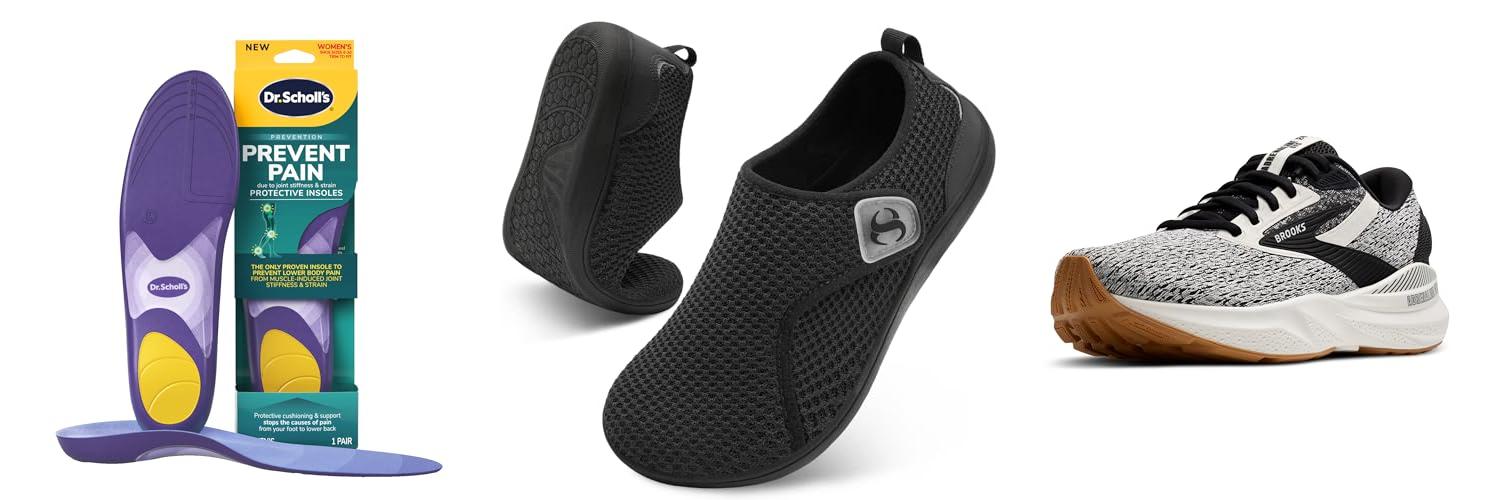
Our Top 5 Shoes For Hip Pain Recommendations at a Glance
Top 5 Shoes For Hip Pain Detailed Reviews
1. Dr. Scholl’s Prevent Pain Insoles for Women

Rating: 8.9/10
Tired of aches and pains after a long day? Dr. Scholl’s Prevent Pain Insoles for Women are here to help! These insoles are specially designed to stop lower body pain before it even starts. They offer protection for your feet, knees, and lower back, making them a game-changer for anyone who spends a lot of time on their feet.
What We Like:
- The Tri-Protect System truly works to prevent pain caused by stiff muscles and strain.
- They give your whole foot great cushioning and support.
- The impact-absorbing cushioning spreads out pressure evenly.
- The shock-absorbing heel takes stress off your feet right from the start.
- Flexible arch support adjusts to you and keeps you comfortable all day.
What Could Be Improved:
- The “one size fits most” approach might not be perfect for every single foot shape.
- While effective, the price point might be a bit high for some shoppers.
If you’re looking for a proven way to fight lower body pain, these insoles are a fantastic option. They provide comprehensive protection and comfort for your feet, knees, and back.
2. Womens Neuropathy Shoes Wide Toe Box Walking Shoes Comfortable Diabetic Nursing Shoe Non Slip Plantar Fasciitis Orthopedic Shoes Black Casual Sneakers Size 8.5

Rating: 9.1/10
These black casual sneakers, specifically the Womens Neuropathy Shoes Wide Toe Box Walking Shoes Comfortable Diabetic Nursing Shoe Non Slip Plantar Fasciitis Orthopedic Shoes in size 8.5, are designed for ultimate comfort and support. They aim to help people with various foot conditions enjoy their daily activities without pain.
What We Like:
- The wide toe box gives your toes plenty of room to spread out naturally. This helps with problems like bunions and swollen feet.
- Adjustable straps let you customize the fit to your foot. This makes them great for people with diabetes, arthritis, or edema.
- They are very lightweight and have a stretchy upper that keeps your feet cool and odor-free. You will feel instant relief when you put them on.
- The zero-drop sole offers great stability and helps you feel more connected to the ground. This strengthens the muscles in your feet.
- The non-slip rubber sole provides a secure grip on different surfaces, making them safe for walking and other activities.
- These shoes are versatile and work well for many activities like walking, gym workouts, traveling, and even dancing.
What Could Be Improved:
- The “barefoot shoe” feel might take some getting used to if you’re not accustomed to it.
- While they are casual, the style might not be suitable for more formal occasions.
These shoes offer a fantastic blend of comfort, support, and versatility for anyone seeking relief from foot pain. They are a smart choice for everyday wear and a variety of activities.
3. Brooks Women’s Adrenaline GTS 24 Supportive Running Shoe – Coconut/Black/Biscuit – 7.5 Medium

Rating: 8.7/10
The Brooks Women’s Adrenaline GTS 24 in Coconut/Black/Biscuit, size 7.5 Medium, is a running shoe built for comfort and support. It’s designed to help your feet feel great with every step, whether you’re hitting the pavement or just on the go. This shoe is recognized for its supportive features and comfortable cushioning, making it a solid choice for many runners.
What We Like:
- The new nitrogen-infused DNA Loft v3 cushioning makes the shoe feel super light and soft.
- The GuideRails holistic support system helps keep your feet moving naturally and prevents extra wobbling.
- The engineered air mesh upper offers good airflow and a comfortable fit that stretches where you need it.
- It’s a certified diabetic shoe and has the APMA Seal of Acceptance, showing it’s good for foot health.
- The redesigned outsole and midsole help your foot roll smoothly from heel to toe.
What Could Be Improved:
- The Adrenaline GTS 24 is an update to the previous model, the GTS 23, so some runners might find it very similar.
- While the cushioning is plush, some runners who prefer a firmer feel might find it a bit too soft for their liking.
Overall, the Brooks Adrenaline GTS 24 offers a wonderfully cushioned and supportive ride. It’s a shoe that aims to keep you comfortable and moving forward, mile after mile.
4. Dr. Scholl’s Arthritis Support Insoles

Rating: 8.8/10
Living with arthritis can make everyday movements painful. Dr. Scholl’s Arthritis Support Insoles for women offer a way to find relief. These insoles are designed to help ease discomfort in your hips, knees, and feet. They work by providing extra support where you need it most.
What We Like:
- Targets Pain Points: They help with arthritis pain in three key areas: hips, knees, and feet.
- Doctor Approved: An orthopedist tested and approved these insoles.
- Reduces Stress: The deep heel cup and strong arch support help lower stress on your joints.
- All-Day Comfort: You get relief and support throughout the entire day, every day.
- Smart Design: These insoles are scientifically designed and engineered for effectiveness.
- Proven Results: Their ability to help is clinically proven.
What Could Be Improved:
- Fit Specificity: While designed for women, they might not fit all shoe types perfectly without some adjustment.
- Initial Firmness: Some users might find them a bit firm at first, needing a short break-in period.
These insoles offer a promising solution for women seeking to manage arthritis discomfort. They provide targeted support and pain relief that can make a real difference in your daily life.
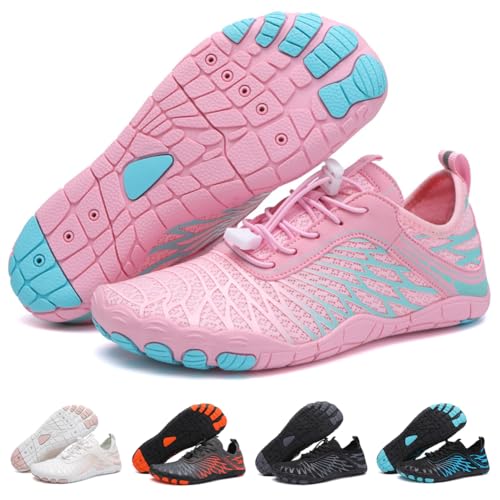
5. Hike Barefoot Shoes Womens Men Footwear
Rating: 8.7/10
Step into comfort and freedom with the Hike Barefoot Shoes. These versatile shoes are designed to give you a true barefoot feel, letting your feet move naturally whether you’re hitting the trails, the gym, or the water. They are lightweight, breathable, and built for adventure.
What We Like:
- These shoes are super light and feel like you’re wearing nothing at all.
- The elastic band makes them a breeze to slip on and off.
- You can really feel the ground beneath your feet, which is great for balance.
- The wide toe box lets your toes spread out, making your feet stronger.
- The non-slip sole gives you good grip, so you won’t slide around.
- They are breathable and keep your feet dry and cozy.
- You can use them for tons of different activities, from hiking to yoga.
- They come in many colors and sizes, and make a fantastic gift.
What Could Be Improved:
- While the ultra-thin sole offers a barefoot feel, it might not provide enough cushioning for very rough terrain or for those new to barefoot shoes.
- The “warm boots” description might be a bit misleading for all styles; they are primarily designed for breathability and quick drying, not heavy insulation.
These barefoot shoes offer a fantastic way to connect with the outdoors while keeping your feet happy and healthy. They are a great option for anyone seeking a more natural and comfortable footwear experience.
Finding the Right Shoes for Hip Pain: Your Comfort Guide
Hip pain can make everyday activities feel like a challenge. The right shoes can make a big difference. They can help cushion your steps, support your body, and reduce the strain on your hips. This guide will help you choose the best shoes to ease your discomfort.
Key Features to Look For
When shopping for shoes to help with hip pain, several features are super important.
- **Excellent Cushioning:** This is a top priority. Shoes with thick, soft soles absorb shock when you walk. This means less impact travels up to your hips. Look for shoes with plenty of foam or gel in the midsole.
- **Good Arch Support:** Your arches help distribute your body weight. Proper arch support keeps your feet aligned. This alignment helps your whole body, including your hips, stay in a better position.
- **Stability and Motion Control:** Some shoes help prevent your foot from rolling inward or outward too much. This is called motion control. It keeps your gait (the way you walk) steady and balanced, which is great for hip health.
- **Wide Toe Box:** Your toes need room to spread out. A wide toe box prevents your toes from being squeezed. This can improve overall foot comfort, which indirectly helps your hips.
- **Lightweight Design:** Heavy shoes can make you feel more tired. Lighter shoes are easier to lift and move. This can reduce fatigue and strain on your body.
- **Easy On and Off:** If bending is difficult, look for shoes with Velcro closures or elastic laces. This makes them simple to put on and take off.
Important Materials
The materials used in shoes play a big role in their comfort and support.
- **Midsoles:** These are the layers between the upper part of the shoe and the outsole. Foam materials like EVA (ethylene-vinyl acetate) and polyurethane are common. They provide great cushioning and shock absorption.
- **Outsoles:** This is the bottom part of the shoe that touches the ground. Rubber is a popular choice. It offers good grip and durability.
- **Uppers:** This is the part of the shoe that covers your foot. Mesh fabrics are breathable and lightweight. Leather can offer more support and durability.
- **Insoles:** These are the removable inserts inside the shoe. Some shoes come with supportive insoles. You can also buy special insoles designed for arch support or extra cushioning.
Factors That Improve or Reduce Quality
Certain things make a shoe better or worse for hip pain.
Factors That Improve Quality:
- **Brand Reputation:** Well-known brands often invest more in research and development for comfort and support.
- **Specific Shoe Models:** Some shoe lines are designed specifically for people with foot or joint pain.
- **Customer Reviews:** Reading what other people with hip pain say about a shoe is very helpful.
- **Orthotic Compatibility:** If you wear custom orthotics, make sure the shoes have removable insoles.
Factors That Reduce Quality:
- **Flat, Thin Soles:** These offer little to no cushioning or support.
- **Stiff and Unbending Materials:** Shoes that are too rigid can restrict natural foot movement.
- **Poor Fit:** Shoes that are too tight or too loose will not provide proper support.
- **Worn-Out Cushioning:** Over time, the cushioning in shoes breaks down.
User Experience and Use Cases
People with hip pain use these shoes for many reasons.
- **Daily Walking:** For everyday errands, walks in the park, or just getting around the house, comfortable shoes are essential.
- **Standing for Long Periods:** If your job requires you to stand a lot, supportive shoes can prevent hip fatigue.
- **Light Exercise:** For activities like walking or gentle workouts, shoes with good cushioning and stability are beneficial.
- **Post-Surgery Recovery:** After hip surgery, doctors often recommend supportive footwear to aid healing.
The right shoes can make a significant difference in managing hip pain. By focusing on key features like cushioning and support, and choosing shoes made with quality materials, you can find footwear that helps you move more comfortably.
Frequently Asked Questions About Shoes for Hip Pain
Q: What kind of shoes are best for hip pain?
A: Shoes with excellent cushioning, good arch support, and stability are best. They help absorb shock and keep your body aligned.
Q: Do I need special shoes if I have hip pain?
A: Not necessarily “special” shoes, but shoes designed for comfort and support can greatly help. Look for features like thick soles and good arch support.
Q: Can running shoes help with hip pain?
A: Yes, many running shoes offer excellent cushioning and support, which can be beneficial for hip pain.
Q: Should I wear flat shoes or shoes with heels?
A: Avoid completely flat shoes as they offer little support. Very high heels can also put extra strain on your hips. A slight heel or a stable sole is usually better.
Q: How much cushioning is enough?
A: You want to feel a noticeable softness and shock absorption when you press down on the sole. The thicker the midsole, generally the more cushioning.
Q: What if I have flat feet and hip pain?
A: Shoes with strong arch support are very important. You might also consider shoes that offer motion control to help stabilize your feet.
Q: How often should I replace my shoes if I have hip pain?
A: You should replace your shoes every 300-500 miles of walking or running, or when you notice the cushioning feels less effective. This is typically every 6-12 months for regular wear.
Q: Can shoes affect my hip pain?
A: Yes, the right shoes can reduce hip pain by providing proper support and shock absorption. The wrong shoes can make it worse.
Q: Are orthopedic shoes always necessary?
A: Not always. Many regular comfort-focused shoes have the features needed to help with hip pain. Orthopedic shoes are an option if you need more specialized support.
Q: What is the most important factor when choosing shoes for hip pain?
A: The most important factor is how comfortable and supportive the shoes feel on your feet and how they help reduce impact when you walk.
In conclusion, every product has unique features and benefits. We hope this review helps you decide if it meets your needs. An informed choice ensures the best experience.
If you have any questions or feedback, please share them in the comments. Your input helps everyone. Thank you for reading.