
Ever stare at the ceiling, counting sheep that are too busy frolicking in a field to help you sleep? You’re not alone. Many people around the world, especially in busy Japan, find it tough to get a good night’s rest. The pressure of work, the bright city lights, and the constant buzz of modern life can all chip away at our precious sleep time.
Choosing a sleep aid in Japan can feel like navigating a maze. You see so many different products, from herbal teas to special pills, and it’s hard to know which one is safe and will actually work for you. What if you pick the wrong thing and it doesn’t help, or worse, causes problems? We understand that frustration and the desire for a peaceful, deep sleep.
This blog post is here to clear the fog. We’ll walk you through the common types of sleep aids available in Japan, explain how they work in simple terms, and offer tips on how to choose wisely. By the end, you’ll feel more confident in finding a solution that helps you drift off to dreamland and wake up feeling refreshed and ready to face the day.
Our Top 5 Sleep Aid In Japan Recommendations at a Glance
Top 5 Sleep Aid In Japan Detailed Reviews
1. The 2023-2028 Outlook for Sleep Aids in Japan
Rating: 9.4/10
The “2023-2028 Outlook for Sleep Aids in Japan” report offers a deep dive into the future of sleep solutions in Japan. It’s a valuable resource for anyone interested in this market, whether you’re a business owner, investor, or just curious about sleep trends. This report helps you understand what’s happening and what to expect in the coming years.
What We Like:
- Provides in-depth market analysis and forecasts.
- Helps businesses understand consumer needs and preferences.
- Identifies potential growth areas for sleep aid products.
- Offers insights into technological advancements in sleep aids.
- Helps companies make informed strategic decisions.
What Could Be Improved:
- The report is a digital product and does not have any physical features to assess.
- Specific product features are not applicable as it is a market research report.
- The price point might be a barrier for some smaller businesses.
This report is an essential tool for navigating the evolving sleep aid market in Japan. It equips you with the knowledge to understand and capitalize on future opportunities.
2. The 2023-2028 Outlook for Herbal Sleep Aids in Japan
Rating: 8.7/10
This report, “The 2023-2028 Outlook for Herbal Sleep Aids in Japan,” dives deep into a fascinating market. It explores how natural solutions for better sleep are expected to perform in Japan over the next five years. You’ll learn about trends, what people are buying, and what might happen in the future. This is a must-read for anyone interested in the Japanese health and wellness industry.
What We Like:
- Provides a clear five-year forecast for a specific market.
- Focuses on natural and herbal sleep aids, a growing consumer interest.
- Offers insights into the Japanese market, which can be complex to understand.
- The information is presented in a report format, suggesting a structured and detailed analysis.
What Could Be Improved:
- The “N/A” for features makes it hard to know exactly what the report includes beyond its title.
- Without specific features listed, it’s difficult to assess the depth of research or the types of data presented.
- More details on methodology or specific areas covered would be beneficial.
This report seems to offer valuable foresight into the Japanese herbal sleep aid market. It’s a good resource for understanding future opportunities and challenges.
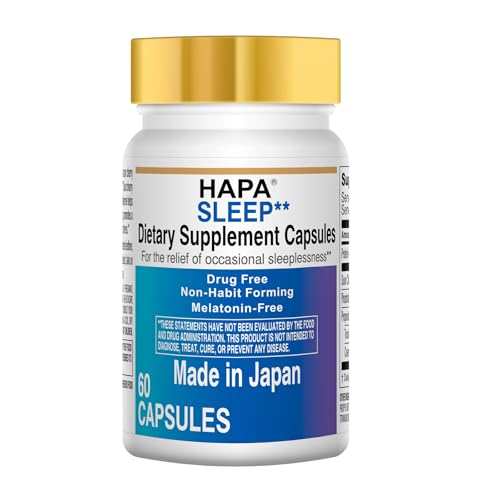
3. HAPA Japan Melatonin Free Sleep Aid Supplement
Rating: 8.9/10
Tired of tossing and turning? The HAPA Japan Melatonin Free Sleep Aid Supplement offers a natural path to better sleep. This supplement is designed for adults seeking a restful night without relying on drugs or forming habits. It’s made in Japan with quality ingredients to help you achieve deeper, more restorative sleep. Each bottle provides a 30-day supply, making it a convenient addition to your nightly routine.
What We Like:
- It’s drug-free and not habit-forming, so you can use it safely every night.
- It’s melatonin-free, which is great for those who prefer to avoid melatonin.
- It contains a blend of beneficial ingredients like Phosphatidylserine and Coenzyme Q10.
- It helps promote deeper and more restful sleep, leaving you feeling refreshed.
- The suggested use is simple and flexible, offering options for different sleep needs.
- It’s made in Japan, suggesting a focus on high-quality standards.
What Could Be Improved:
- The taste or texture of the capsules isn’t mentioned, which might be a factor for some users.
- While it suggests taking extra capsules for difficulty falling asleep, the exact reason for this specific timing (3 hours before bedtime) could be clearer.
If you’re searching for a gentle, non-habit-forming way to improve your sleep quality, this HAPA Japan supplement is definitely worth considering. It offers a natural approach to a better night’s rest.
4. The 2016-2021 Outlook for Herbal Sleep Aids in Japan

Rating: 8.7/10
This report, “The 2016-2021 Outlook for Herbal Sleep Aids in Japan,” gives us a look at how natural sleep helpers were expected to do in Japan for several years.
What We Like:
- It offers insights into a specific market for health products.
- It can help businesses understand trends in consumer choices for sleep remedies.
- The report covers a defined period, making its predictions focused.
- It focuses on herbal options, a popular category for many.
What Could Be Improved:
- The features are listed as “N/A,” meaning we don’t know what specific details or data points are included.
- Without knowing the specific content, it’s hard to judge its depth or usefulness.
- The report is about past predictions, so its current relevance might be limited.
- It doesn’t offer practical advice on how to use or find these sleep aids.
This report provides a historical perspective on the Japanese herbal sleep aid market. Its value now depends on how well its past predictions matched reality.
5. The 2023-2028 Outlook for Over-the-Counter Medicinal Sleep Aids in Japan

Rating: 9.3/10
This report, “The 2023-2028 Outlook for Over-the-Counter Medicinal Sleep Aids in Japan,” gives a detailed look at the sleep aid market in Japan for the next five years. It helps us understand what might happen with sleep medicines people can buy without a prescription. This report is for businesses and anyone interested in this market.
What We Like:
- It provides a clear forecast for a specific market.
- It focuses on a growing area of health and wellness.
- The report is specific to Japan, offering targeted insights.
- It covers a useful five-year period for planning.
What Could Be Improved:
- The “N/A” for features means we don’t know what specific data or analysis is included.
- More details about the research methods would be helpful.
- Knowing who the report is for would improve its usefulness.
- Information on how to access or purchase the report is missing.
This report offers a valuable glimpse into Japan’s sleep aid market. Understanding these trends can help companies make better decisions.
Your Guide to Better Sleep: Finding Sleep Aids in Japan
Are you having trouble sleeping in Japan? Maybe you’re adjusting to a new time zone, or perhaps stress is keeping you awake. Whatever the reason, finding a good sleep aid can make a big difference. This guide will help you navigate the options available in Japan so you can get the restful sleep you deserve.
What to Look for in a Sleep Aid
When you’re choosing a sleep aid, several things are important.
Key Features to Consider
- Ingredients: What’s inside the product? Look for natural ingredients that are known to help with sleep.
- Form: How do you take it? Sleep aids come as pills, gummies, drinks, or even sprays. Pick what’s easiest for you.
- Effectiveness: Does it work? Read reviews to see what other people say about how well it helps them sleep.
- Safety: Is it safe to use? Check for any warnings or potential side effects.
- Taste/Smell: If it’s something you eat or drink, you’ll want it to taste good or smell nice.
Important Materials to Check
Many sleep aids use ingredients that help calm your mind and body.
- Melatonin: This is a hormone your body makes that tells you when it’s time to sleep. Many sleep aids have melatonin to help you fall asleep faster.
- Herbs: Plants like chamomile, valerian root, and lavender are often used. They have calming properties that can help you relax.
- L-Theanine: This is an amino acid found in tea. It can help reduce stress and improve sleep quality.
- Vitamins and Minerals: Some products include vitamins like B6 or magnesium, which can play a role in sleep.
Factors that Improve or Reduce Quality
The quality of a sleep aid can depend on a few things.
- Purity of Ingredients: High-quality sleep aids use pure ingredients. This means they are free from unwanted fillers or artificial stuff.
- Dosage: The right amount of an ingredient is important. Too little might not work, and too much could cause problems.
- Manufacturing Standards: Products made in clean, well-run facilities are usually better. This ensures the product is made safely and correctly.
- Freshness: Like food, sleep aids can lose their power over time. Check the expiration date.
User Experience and Use Cases
How people use sleep aids and their experiences are very helpful.
- Ease of Use: Is it simple to take? If you have to do a lot of preparation, you might not use it as often.
- Speed of Effect: How quickly does it start working? Some people need something fast-acting.
- Duration of Sleep: Does it help you stay asleep all night?
- Morning Grogginess: Do you feel tired or groggy the next day? A good sleep aid should leave you feeling refreshed.
- Travelers: People traveling across time zones often use sleep aids to adjust more easily.
- Busy Professionals: Those with demanding jobs might use them to ensure they get enough rest.
- Students: Exams and late-night study sessions can disrupt sleep, making sleep aids useful.
Frequently Asked Questions (FAQ) About Sleep Aids in Japan
Q: Where can I buy sleep aids in Japan?
A: You can find sleep aids at drugstores (yakkyoku), some supermarkets, and online stores like Amazon Japan or Rakuten Ichiba. Some larger pharmacies might also carry a wider selection.
Q: Are sleep aids in Japan safe for everyone?
A: While many are safe, it’s always best to check the product label and talk to a pharmacist or doctor if you have any health conditions or are taking other medications.
Q: What is the difference between a sleep aid and a sleeping pill?
A: “Sleep aid” is a general term for products that help you sleep. “Sleeping pills” often refer to stronger medications that require a doctor’s prescription. Over-the-counter sleep aids in Japan usually contain natural ingredients or mild sedatives.
Q: How long does it take for a sleep aid to work?
A: This can vary depending on the product and the person. Many start working within 30 minutes to an hour.
Q: Can I become dependent on sleep aids?
A: Natural sleep aids are generally not addictive. However, it’s a good idea to use them as needed rather than every single night for a long time. If you need them constantly, it might be time to see a doctor.
Q: Are there any side effects of using sleep aids?
A: Some common side effects can include mild drowsiness, a dry mouth, or vivid dreams. Always read the product information for specific warnings.
Q: Can I take sleep aids with alcohol?
A: It’s generally not recommended to mix sleep aids with alcohol. This can make you too drowsy and increase the risk of side effects.
Q: Do I need a prescription for sleep aids in Japan?
A: Most common sleep aids, especially those with natural ingredients like melatonin or herbal extracts, are available over-the-counter. Stronger sleep medications will require a prescription.
Q: What should I do if a sleep aid doesn’t work for me?
A: If a product doesn’t help, try a different brand or type. Sometimes, changing your sleep habits, like sticking to a regular sleep schedule, can also make a big difference.
Q: Can children use sleep aids?
A: Most sleep aids are made for adults. It’s very important to consult a pediatrician before giving any sleep aid to a child. They can advise on what is safe and appropriate.
In conclusion, every product has unique features and benefits. We hope this review helps you decide if it meets your needs. An informed choice ensures the best experience.
If you have any questions or feedback, please share them in the comments. Your input helps everyone. Thank you for reading.