
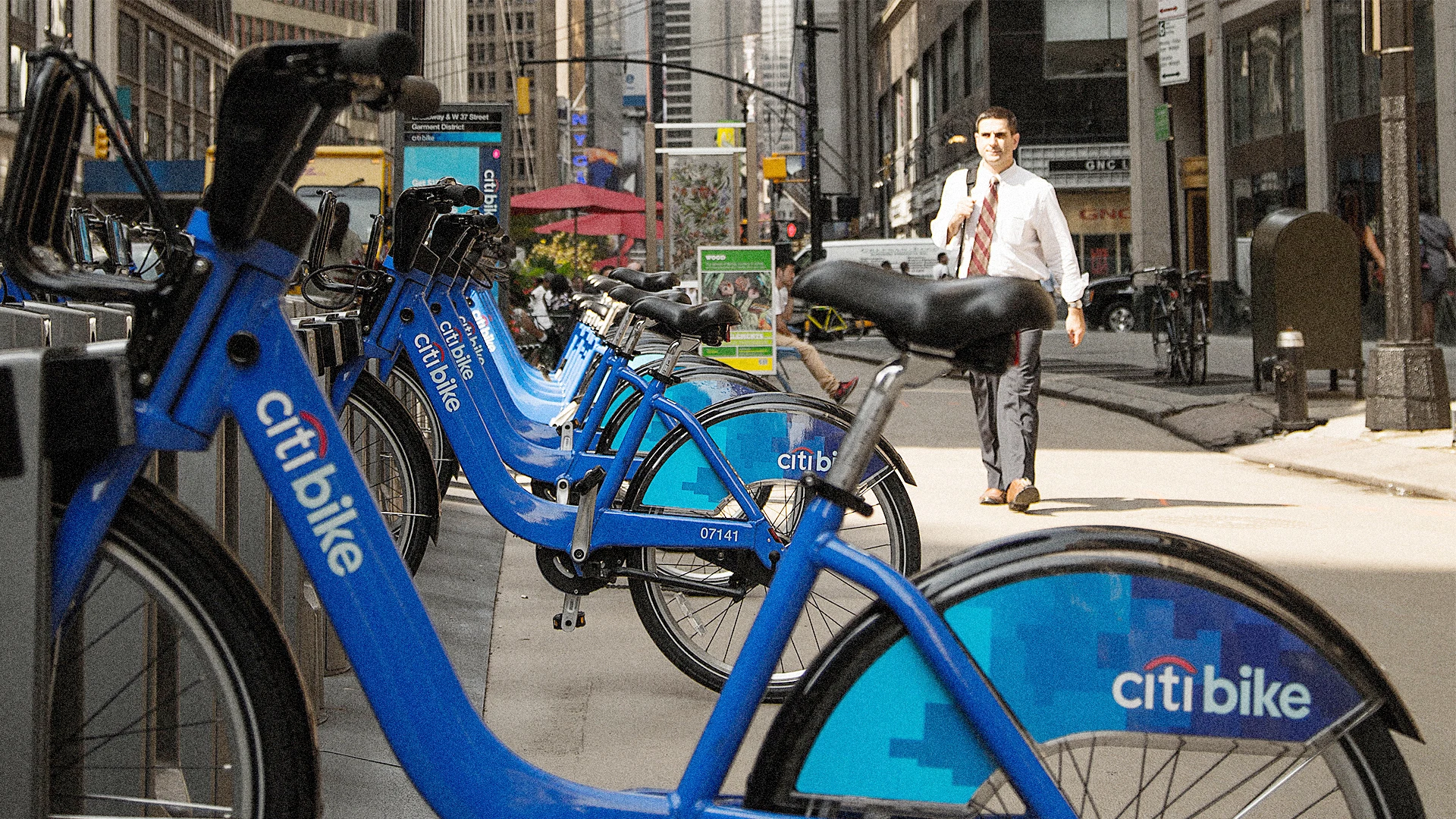
Image Source: images.fastcompany.com
Why Bike Sharing Is Safer: 5 Reasons You Need To Know
Is bike sharing safer than other modes of transport? Yes, in many ways, bike sharing offers a safer and more controlled experience for urban travel, especially when compared to unregulated personal bicycle use or crowded public transit. Let’s explore why.
Bike sharing has exploded as a transformative force in urban mobility, offering an accessible and eco-friendly way to navigate our cities. More than just a convenient public transit alternative, these systems are actively contributing to commuting safety in several crucial ways. While any form of travel carries inherent risks, bike sharing’s structured approach, from vehicle maintenance to rider education, significantly mitigates many common hazards. This article will delve into five key reasons why bike sharing is, in fact, a safer choice for getting around town, focusing on its contribution to reduced traffic accidents, enhanced pedestrian safety, and the overall benefits of shared mobility benefits.
1. Enhanced Vehicle Maintenance and Safety Features
One of the most significant reasons for the enhanced safety of bike sharing lies in the rigorous maintenance protocols and integrated safety features of the bikes themselves. Unlike a personal bike that might fall into disrepair due to neglect, or a rental bike with unknown history, shared bikes are subjected to regular, professional checks.
Regular Inspections and Servicing
Bike sharing companies have a vested interest in ensuring their fleet is in top condition. This translates to:
- Pre-emptive Maintenance: Mechanics regularly inspect bikes for wear and tear on brakes, tires, chains, and lights. Issues are addressed before they become critical safety hazards.
- Component Upgrades: As technology advances, bike sharing fleets are often updated with newer, more reliable components, including improved braking systems and more durable tires.
- Fleet Management Safety: Sophisticated fleet management safety systems track bike usage and flag any bikes requiring immediate attention. This proactive approach minimizes the chances of a rider encountering a faulty bike.
Integrated Safety Features
Shared bikes are typically equipped with features designed to enhance rider visibility and control:
- Lights: Most shared bikes come with front and rear lights, ensuring riders are visible to motorists, especially during dawn, dusk, or night. This is a crucial aspect of commuting safety.
- Reflectors: Reflective elements on pedals and wheels further improve visibility.
- Sturdy Construction: Shared bikes are built to withstand frequent use, often featuring robust frames and reliable gearing systems that are less prone to sudden failure.
- Bell/Horn: The presence of an audible warning device can alert pedestrians and other cyclists to a rider’s presence, contributing to pedestrian safety.
Rental Bike Safety Compared to Personal Bikes
Consider the contrast: a personal bike might have worn brakes that the owner hasn’t noticed or a loose handlebar. A bike from an informal rental might have no regular maintenance whatsoever. Bike sharing systems professionalize this, ensuring a baseline level of safety for every ride. This systematic approach to rental bike safety is a cornerstone of its superior safety profile.
2. Rider Education and Awareness Initiatives
Beyond the physical bikes, bike sharing programs often incorporate elements of rider education, promoting safer cycling practices and fostering a culture of community cycling.
In-App Guidance and Tutorials
Many bike sharing apps provide users with essential information before they even unlock a bike:
- Rules of the Road: Reminders about traffic laws, signaling, and yielding to pedestrians are common.
- Helmet Recommendations: While not always mandatory, apps often encourage or strongly advise helmet use.
- Safe Riding Tips: Advice on maintaining a safe speed, being aware of road hazards, and riding defensively is frequently offered.
Promoting Responsible Riding
By providing accessible information, bike sharing platforms empower riders to make safer choices. This educational component is vital for accident prevention and contributes to a more predictable cycling environment.
Contribution to Pedestrian Safety
When riders are more aware of how to navigate shared spaces, their behavior positively impacts pedestrian safety. Clear communication, responsible speed, and awareness of surroundings help prevent collisions with those on foot.
3. Reduced Congestion and Traffic Accidents
The widespread adoption of bike sharing plays a significant role in reducing urban traffic congestion, which in turn leads to fewer traffic accidents overall.
Shifting Travel Modes
Bike sharing encourages a shift away from single-occupancy vehicles, especially for short trips. This has several ripple effects on safety:
- Fewer Cars on the Road: Every bike trip taken instead of a car trip means one less vehicle contributing to congestion. Less congestion means less potential for multi-vehicle collisions.
- Lower Speeds: When traffic is less dense, vehicles tend to travel at lower speeds, making accidents, when they do occur, less severe. This directly contributes to reduced traffic accidents.
- Improved Road Conditions: While not a direct bike-sharing feature, the increased presence of cyclists can sometimes prompt cities to improve road infrastructure, such as adding bike lanes, which benefits all road users.
Impact on Pedestrian Safety
Reduced car traffic also directly benefits pedestrian safety. Fewer cars mean fewer opportunities for pedestrian-vehicle conflicts, making streets safer for people walking.
Shared Mobility Benefits and Urban Mobility Solutions
As part of the broader shared mobility benefits landscape, bike sharing offers a viable solution to some of the most pressing issues in urban mobility solutions. By providing an efficient and less environmentally damaging way to travel, it helps create more people-centric, safer urban environments.
4. Enhanced Visibility and Predictability for All Road Users
When more people are cycling, especially on the consistent, well-maintained bikes provided by sharing services, it increases the overall visibility and predictability of cyclists within the traffic flow.
Increased Cyclist Presence
A higher number of cyclists on the road can lead to:
- Greater Awareness from Motorists: As more cars share the road with bikes, drivers become more accustomed to looking out for cyclists. This familiarity can reduce the likelihood of them not seeing a cyclist.
- “Nudging” Traffic Behavior: The visible presence of a consistent flow of cyclists can subtly influence the behavior of drivers, encouraging them to be more cautious and aware of their surroundings.
- Data-Driven Insights for Urban Planning: Bike sharing data, often shared with city planners, can highlight popular cycling routes and identify areas where infrastructure improvements are most needed. This data-driven approach is crucial for effective accident prevention.
Predictability in Shared Spaces
The standardized appearance and predictable operation of shared bikes contribute to a more orderly environment. Unlike the often unpredictable maneuvers of some personal bike users or scooters, shared bikes tend to integrate into traffic more predictably when riders adhere to basic rules. This predictability aids both commuting safety and pedestrian safety.
5. Fostering a Culture of Community Cycling and Shared Responsibility
Bike sharing programs are not just about providing bikes; they are about building a community around cycling and promoting a sense of shared responsibility for safety.
Community Cycling Events and Initiatives
Many bike sharing operators engage with the communities they serve through:
- Group Rides: Organized rides can help new cyclists gain confidence and learn safe riding techniques.
- Safety Workshops: Some programs offer workshops on bike maintenance, road safety, and urban cycling skills.
- Partnerships with Local Organizations: Collaborations with cycling advocacy groups can further promote community cycling.
Shared Responsibility for Safety
The very nature of sharing implies a collective commitment to safety. When users know their actions impact the next rider and the community at large, there’s an incentive to ride responsibly. This ethos is crucial for accident prevention.
Impact on Pedestrian Safety and Reduced Traffic Accidents
When a community embraces cycling, there’s often a broader appreciation for shared spaces and a greater emphasis on ensuring everyone’s safety. This can lead to a reduction in the aggressive behaviors that contribute to both reduced traffic accidents and compromised pedestrian safety.
The Role of Technology in Bike Sharing Safety
Technology plays a pivotal role in enhancing the safety of bike sharing systems. From initial deployment to ongoing operations, various technological advancements contribute to a safer experience.
GPS Tracking and Geofencing
- Enforcing Speed Limits: Geofencing technology can be used to automatically reduce the speed of electric-assist bikes in designated areas, such as pedestrian zones or parks.
- Identifying Risky Behavior: GPS data can help identify areas where accidents are more common or where riders might be engaging in unsafe practices, allowing operators to intervene with targeted education or warnings.
- Locating and Retrieving Bikes: Efficiently locating bikes ensures they are not abandoned in unsafe locations or obstructing pathways, which is important for pedestrian safety.
Smart Lock Systems and Data Analytics
- Preventing Theft and Vandalism: Secure smart locks reduce the likelihood of bikes being tampered with or stolen, ensuring bikes are available and functional for legitimate users.
- Predictive Maintenance: Analyzing usage data can help predict when components are likely to fail, allowing for proactive maintenance and reducing the risk of mechanical breakdowns during rides. This is a key aspect of fleet management safety.
Data-Driven Infrastructure Improvements
The data generated by bike sharing systems is invaluable for urban planners. By identifying popular routes, high-traffic areas, and accident hotspots, cities can make informed decisions about where to invest in safer cycling infrastructure, such as protected bike lanes and improved intersection design. This directly contributes to accident prevention and overall commuting safety.
Addressing Common Concerns and Promoting Best Practices
While bike sharing offers inherent safety advantages, it’s important to acknowledge and address common concerns to further enhance safety.
Helmet Use
- Advocacy and Accessibility: While not always mandatory, promoting helmet use through awareness campaigns and potentially offering helmet rentals or discounts can significantly improve rider safety.
- Helmet Share Programs: Some cities or operators are exploring innovative solutions like integrated helmet dispensers or partnerships with helmet manufacturers to make helmets more accessible.
Rider Competency
- Onboarding Processes: Clear instructions and tutorials within the app can help new riders get acquainted with the bike’s operation and basic cycling etiquette.
- Targeted Education: For areas with a high incidence of cycling-related incidents, operators can deploy targeted educational campaigns to address specific behaviors.
Infrastructure and Environment
- Advocating for Better Infrastructure: Bike sharing companies can collaborate with city officials to advocate for improved cycling infrastructure, such as dedicated bike lanes and traffic calming measures.
- Reporting Hazards: Users can often report road hazards (potholes, debris) through the app, which helps cities address issues promptly, improving pedestrian safety and commuting safety.
The Broader Impact: Shared Mobility Benefits and Urban Transformation
The integration of bike sharing into the urban fabric goes beyond individual rides. It contributes to a larger ecosystem of shared mobility benefits that positively impact city life.
Economic Benefits
- Reduced Healthcare Costs: By promoting active lifestyles and potentially reducing traffic accidents, bike sharing can contribute to lower healthcare costs for individuals and the community.
- Increased Local Business: Easier access to local shops and restaurants via bike can boost economic activity.
Environmental Benefits
- Reduced Carbon Emissions: Replacing car trips with bike rides significantly cuts down on air pollution and greenhouse gas emissions, creating healthier urban environments.
- Less Noise Pollution: Bikes are a quiet mode of transport, contributing to more peaceful cities.
Social Benefits
- Increased Accessibility: Bike sharing makes urban areas more accessible to a wider range of people, including those who may not own a car or live near traditional public transit lines.
- Community Building: The shared experience of cycling can foster a stronger sense of community and shared purpose.
Conclusion: A Safer Choice for Smarter Cities
Bike sharing systems, with their robust maintenance, integrated safety features, rider education, and positive impact on traffic congestion, offer a compelling case for their enhanced safety. By contributing to reduced traffic accidents, improving pedestrian safety, and fostering a culture of responsible riding through community cycling, these urban mobility solutions are not just a convenient way to get around, but a vital component of building safer, healthier, and more livable cities. The shared mobility benefits are clear, and with continued focus on fleet management safety and user education, bike sharing stands out as a demonstrably safer choice for modern commuting safety.
Frequently Asked Questions (FAQ)
Q1: Are bike share bikes safe to ride?
A1: Yes, bike share bikes are generally considered safe. They undergo regular maintenance, are equipped with safety features like lights and reflectors, and their usage often comes with rider guidance, contributing to a controlled and safer cycling experience.
Q2: Do I need to wear a helmet when using a bike share service?
A2: While not always legally mandated by all bike share programs, wearing a helmet is strongly recommended for all cyclists, including those using bike share services. Many apps provide information encouraging helmet use for increased commuting safety.
Q3: What happens if I encounter a broken or unsafe bike share bike?
A3: Most bike share apps have a feature allowing users to report issues with a bike. It’s important to use this function to report any defects so the bike can be taken out of service for repair, contributing to fleet management safety.
Q4: How does bike sharing contribute to reducing traffic accidents?
A4: By encouraging people to use bikes instead of cars for short trips, bike sharing reduces the number of vehicles on the road, thereby decreasing congestion and the potential for reduced traffic accidents.
Q5: Are bike sharing services better for pedestrian safety than other forms of transport?
A5: Yes, by reducing car traffic and promoting more predictable movement on streets, bike sharing enhances pedestrian safety. Additionally, rider education often emphasizes awareness of pedestrians, contributing to a safer shared environment.
Q6: What are the benefits of bike sharing for urban mobility?
A6: The shared mobility benefits of bike sharing include reduced traffic congestion, lower carbon emissions, improved public health through increased physical activity, and greater accessibility to urban areas, making them key urban mobility solutions.
Q7: How is rental bike safety ensured by these services?
A7: Rental bike safety is prioritized through regular professional maintenance, robust bike construction, integrated safety features, and sometimes through rider education provided via the service’s app.
Q8: What is community cycling and how does bike sharing promote it?
A8: Community cycling refers to the collective engagement in cycling, fostering a culture of shared responsibility and mutual respect among cyclists and with other road users. Bike sharing promotes this through organized events, educational initiatives, and by increasing the overall visibility of cyclists.
Q9: How does bike sharing help with accident prevention?
A9: Bike sharing aids accident prevention through well-maintained vehicles, rider education, reducing overall traffic volume, and by providing data that helps cities improve cycling infrastructure.
Q10: Is bike sharing considered a safe public transit alternative?
A10: Yes, bike sharing is increasingly viewed as a safe and effective public transit alternative, especially for shorter distances. It offers independence and control over one’s journey while contributing to a safer urban environment overall.