
Why do bike tires lose air? Bike tires lose air primarily due to tiny holes or tears that allow air to escape, often caused by punctures from sharp objects. They can also lose air from small, persistent slow leaks, issues with the valve stem, natural permeability of the rubber, temperature changes, or worn tires. Can you prevent your bike tires from losing air? Yes, by maintaining them properly and addressing issues promptly. Who is responsible for fixing a flat tire? Typically, the bike owner is responsible for fixing their own flat, though bike shops offer repair services.
It’s a common frustration for cyclists: you pump up your tires before a ride, only to find them feeling a bit soft a day or two later, or worse, completely flat when you need them most. This phenomenon of tire pressure loss isn’t magic; it’s a predictable consequence of how air interacts with rubber and the environment. Fathoming why this happens is the first step to keeping your rides smooth and your tires properly inflated.
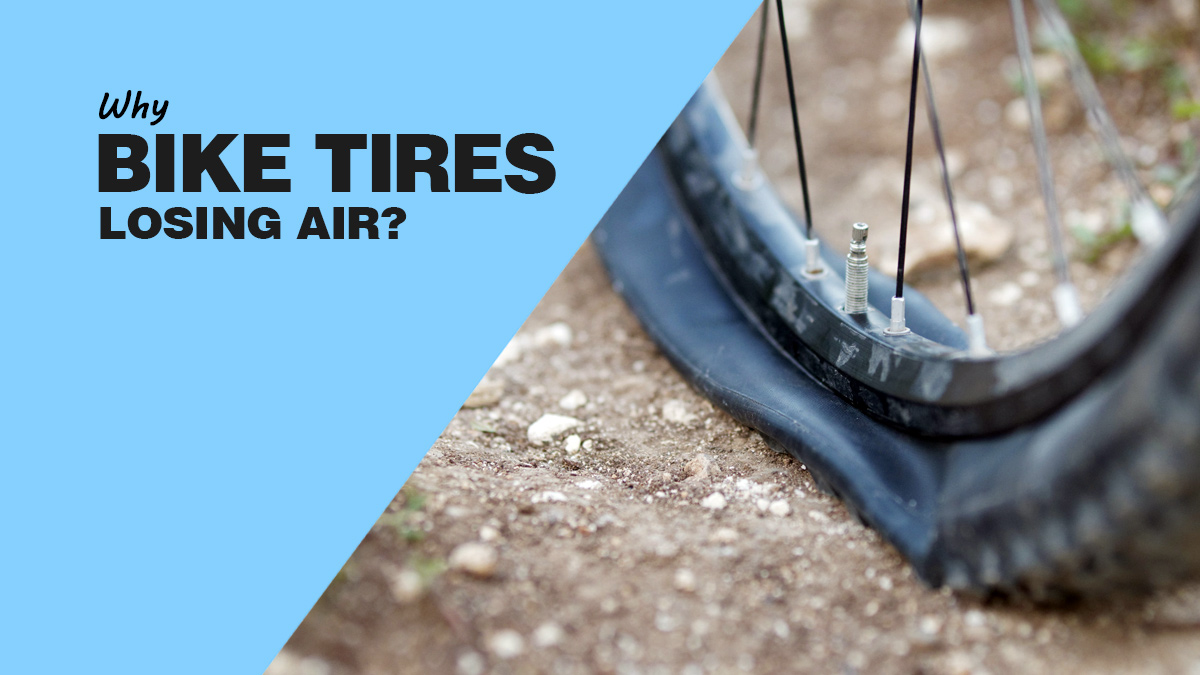
Image Source: www.icebike.org
The Basics of Tire Inflation
Before diving into the reasons for air loss, let’s quickly recap how bike tires hold air. Most modern bikes use either clincher tires with inner tubes or tubeless setups.
- Clincher Tires with Inner Tubes: Air is pumped into an inner tube, which is a separate rubber bladder inside the tire casing. The tire itself is held onto the rim by a bead that forms a seal against the rim. The inner tube is sealed at one end by a valve stem, through which you add air.
- Tubeless Tires: These tires rely on a tight bead seal between the tire and the rim. The rim itself is often designed to be airtight, and a special rim tape is used to seal spoke holes. Liquid sealant is added inside the tire, which helps seal any small punctures and further improves the bead seal.
Common Culprits Behind Air Loss
Several factors can contribute to your bike tires losing air. Identifying the cause is key to applying the right fix.
1. Punctures: The Usual Suspect
Punctures are the most frequent reason for a sudden or rapid loss of air. These are caused by sharp objects piercing the tire and the inner tube.
What Causes Punctures?
- Road Debris: Glass shards, sharp stones, thorns, bits of metal, and even small nails are common hazards on roads and trails.
- Thorns and Thistles: Particularly on off-road or unpaved paths, thorny plants can easily penetrate tires.
- Manufacturing Defects: Though rare, a faulty inner tube or tire with a small imperfection can be more prone to punctures.
Signs of a Puncture:
- Rapid deflation.
- A hissing sound from the tire.
- Finding the offending object (glass, nail, thorn) embedded in the tire.
Fixing Punctures:
- Patching an Inner Tube: This is a standard repair. You remove the inner tube, locate the hole (often by inflating it slightly and listening or submerging it in water to see bubbles), clean the area around the hole, apply vulcanizing cement, and then attach a patch.
- Replacing the Inner Tube: For a quicker fix, especially on the road, replacing the damaged tube with a new one is often the preferred method.
2. Slow Leaks: The Silent Saboteur
Slow leaks are more insidious. They don’t result in a completely flat tire overnight but a gradual decrease in pressure over days or weeks.
Sources of Slow Leaks:
- Tiny Punctures: The same sharp objects that cause big punctures can sometimes create minuscule holes that only let out air very slowly.
- Valve Stem Issues:
- Presta Valve Cores: Presta valves have a small nut at the top that needs to be tightened. If this is loose, air can escape. Also, the valve core itself can become slightly loose or develop a small leak.
- Schrader Valve Cores: Schrader valves have a spring-loaded pin inside. If this pin is not seated correctly or is damaged, it can lead to a slow leak.
- Damaged Valve Stem: The rubber base of the valve stem can crack or tear over time, especially if the tube is stressed or if you frequently overtighten the pump.
- Porous Tires: Over time, the rubber in a tire can become more porous, allowing air to escape slowly. This is more common with older or worn tires.
- Bead Seal Leaks (Tubeless): In tubeless systems, the bead seal between the tire and the rim must be perfect. Imperfections in the rim, tire, or rim tape, or dried-out sealant, can cause slow leaks.
- Improperly Seated Tire: If the tire bead isn’t fully seated against the rim all the way around, it can create a pathway for air to escape.
Addressing Slow Leaks:
- Check Valve Stems: For Presta valves, ensure the small nut is snug. For both types, try slightly unscrewing and re-screwing the valve core (if removable) or ensuring it’s clean and free of debris.
- Inspect Tire for Embedded Objects: Carefully run your fingers along the inside and outside of the tire (carefully, to avoid cutting yourself!) to feel for embedded thorns or glass.
- Test for Leaks: Inflate the tire and listen closely. If you can’t hear anything, spray the tire and valve stem with soapy water. Bubbles will appear where air is escaping.
- Tubeless Sealant: For tubeless tires, adding fresh sealant periodically can help maintain the bead seal and repair small leaks.
3. Temperature Changes: The Environmental Factor
Temperature changes can significantly affect tire pressure. This is due to the basic physics of gases.
How Temperature Affects Pressure:
- Cooling Down: When the temperature drops, the air molecules inside the tire slow down and move closer together. This results in a decrease in pressure. A tire that feels firm in a warm garage might feel soft after being left out overnight in the cold.
- Warming Up: Conversely, when temperatures rise, the air molecules speed up and spread out, increasing the pressure. This can be particularly noticeable after a long ride on a sunny day, as the tire heats up from friction and sun exposure.
Managing Temperature Effects:
- Check Pressure Regularly: The best approach is to check and adjust your tire pressure before every ride, regardless of the temperature.
- Consider Ambient Temperature: When inflating, consider the temperature you expect to ride in. If you’re inflating indoors in a warm environment but will be riding in the cold, you might want to inflate to a slightly higher pressure to compensate for the expected drop.
4. Porous Tires and Worn Tires: The Gradual Degradation
All rubber materials degrade over time. This natural process can lead to porous tires and contribute to air loss.
The Impact of Aging and Wear:
- Aging Rubber: Over months and years, the rubber compounds in tires can become less supple and more brittle. This makes them more susceptible to small cracks and allows air to permeate through the tire casing more easily.
- Worn Tires: As tires wear down from use, the rubber becomes thinner. This not only reduces grip and increases the risk of punctures but can also make the tire casing more permeable to air. Worn tires may feel softer and require more frequent inflation.
What to Do About Aging Tires:
- Inspect Tire Condition: Regularly check your tires for signs of aging, such as cracking in the sidewalls or a very smooth, worn tread.
- Replace Worn Tires: If your tires are significantly worn or show signs of aging, it’s time to replace them. New tires will hold air better and offer improved performance and safety.
5. Over-inflation and Under-inflation: The Pressure Paradox
While not direct causes of air loss, over-inflation and under-inflation are critical aspects of tire pressure management that can indirectly lead to problems.
Over-inflation:
- Consequences: Riding with tires that are too hard reduces comfort, can make the bike feel “skittish,” and puts excessive stress on the rim and spokes. In extreme cases, over-inflation can lead to a blowout, especially if the tire or rim is already compromised.
- Why it can seem like loss: If you’ve recently over-inflated and the tire feels a bit soft later, it might just be that you over-inflated initially and the pressure has settled back to a more appropriate (though still low) level.
Under-inflation:
- Consequences: Riding with tires that are too soft significantly increases rolling resistance, making it harder to pedal. It also makes the tire more susceptible to pinch flats (where the inner tube gets pinched between the rim and an obstacle, causing a puncture), rim damage, and can even cause the tire to come off the rim, especially on corners.
- The Vicious Cycle: Under-inflated tires often feel like they are losing air because they started too low and continue to lose air if there’s a slow leak.
Finding the Sweet Spot:
- Consult Tire Sidewall: Your tire will have a recommended pressure range printed on the sidewall (e.g., 50-75 PSI).
- Rider Weight and Conditions: The ideal pressure within that range depends on your weight, tire width, riding style, and the terrain. Heavier riders generally need higher pressure, while lighter riders or those on rougher surfaces might prefer lower pressure for comfort.
- Experiment: Don’t be afraid to experiment within the recommended range to find what feels best for you.
Maintaining Optimal Tire Pressure: Expert Tips
Keeping your bike tires properly inflated is crucial for a good ride and the longevity of your tires.
1. Invest in a Good Pump with a Gauge
This is non-negotiable. Handheld mini-pumps are great for on-the-go repairs, but a floor pump with an accurate pressure gauge is essential for home maintenance.
- Floor Pump Benefits: Easier to use, provides more volume of air per stroke, and the gauge allows for precise inflation.
- Gauge Accuracy: Even good gauges can be slightly off. If you find yourself constantly adjusting pressure, consider a digital gauge for ultimate accuracy.
2. Know Your Ideal Pressure
As mentioned, the tire sidewall provides a range. But what’s your personal sweet spot?
-
General Guidelines:
- Road Bikes: Higher pressures (80-120 PSI) for narrower tires.
- Mountain Bikes: Lower pressures (20-40 PSI) for wider tires and off-road traction.
- Gravel Bikes: Intermediate pressures (30-60 PSI) depending on tire width and surface.
- Commuter/Hybrid Bikes: Moderate pressures (50-80 PSI).
-
Factors to Consider:
- Rider Weight: Heavier riders need more pressure.
- Tire Width: Wider tires can be run at lower pressures than narrower tires.
- Terrain: Rougher terrain often benefits from slightly lower pressure for comfort and grip.
- Tubeless vs. Tube: Tubeless setups can often be run at lower pressures without the risk of pinch flats.
3. Check Pressure Before Every Ride
It takes seconds and can save you a lot of hassle. Even if you checked yesterday, a small leak might have developed.
4. Listen and Feel
Beyond the gauge, develop a sense for what your tires should feel like.
- The “Firmness Test”: With a floor pump, you can often tell if a tire is significantly low by how much it compresses when you apply firm pressure with your thumb.
- Ride Feel: Pay attention to how the bike handles. If it feels sluggish, bumpy, or unstable, your tire pressure might be off.
5. Clean Your Valves
Dirt and grime can interfere with the valve seal, leading to leaks.
- Presta Valves: Keep the dust cap on when not in use.
- Schrader Valves: Also benefit from a dust cap.
- Cleaning: If you suspect a leak at the valve, try cleaning it with a damp cloth and ensuring the valve core is snug.
6. Consider Tire Liners or Sealant
These are preventative measures to combat punctures and slow leaks.
- Tire Liners: These are strips of tough material that sit between the inner tube and the tire casing, providing an extra layer of protection against sharp objects. They can add a little weight and slightly change the ride feel.
- Tire Sealant (for tubes): Some products can be injected into standard inner tubes to seal small punctures automatically.
- Tubeless Sealant: Essential for tubeless setups, this liquid sealant is designed to automatically seal punctures up to a certain size.
7. Inspect Tires Regularly
Don’t just focus on pressure. Look for:
- Cuts and Cracks: Inspect the tire sidewalls and tread for any damage.
- Embedded Objects: As mentioned, check for anything stuck in the tread.
- Wear Patterns: Uneven wear might indicate alignment issues or improper inflation.
8. Store Your Bike Properly
While not a primary cause of air loss, extreme conditions can stress tires.
- Avoid Direct Sunlight: Prolonged exposure to UV rays can degrade rubber.
- Avoid Extreme Temperatures: Very hot or cold storage can affect tire pressure and rubber over time.
Troubleshooting Common Tire Issues
Here’s a quick guide to diagnose and fix common air loss problems.
| Symptom | Possible Cause(s) | Recommended Action |
|---|---|---|
| Completely Flat Tire | Large puncture, significant valve leak, blown tube | Remove wheel, remove tire and tube. Inspect tire for cause of puncture. Patch or replace tube. Re-seat tire and inflate. |
| Slightly Low Tire (next day) | Slow leak (small puncture, valve stem issue) | Inflate tire. Listen for hissing. Spray with soapy water to find leak source. Patch or replace tube. Tighten valve core if Presta. |
| Front tire losing air, rear is fine | Likely the front tube/tire has the issue | Focus inspection on the front wheel and tire. |
| Tubeless tire losing air slowly | Bead seal issue, dried sealant, small puncture | Check bead seal around rim. Add/shake tubeless sealant. If leak persists, inspect for puncture. |
| Valve stem leaks | Loose valve core, damaged valve stem, faulty valve | For Presta, tighten valve core. If it persists, remove and clean core or replace tube. If Schrader, ensure pin is seated. Replace tube if stem is damaged. |
| Tire feels soft after sitting | Natural permeability, temperature drop, slow leak | Re-inflate to correct pressure. Check again in a day or two. If it’s consistently losing pressure, investigate for leaks. |
Frequently Asked Questions (FAQ)
Q: How often should I check my bike tire pressure?
A: It’s best practice to check your tire pressure before every ride. If you can’t do that, check at least once a week.
Q: Can I use car tire sealant in my bike tires?
A: No, car tire sealants are generally too thick and can clog bike tire valves and sealant systems. Use sealants specifically designed for bicycle tires.
Q: My new tires keep losing air. What’s wrong?
A: New tires can sometimes develop slow leaks from the valve stem or a very small manufacturing defect in the tube or tire. Ensure the valve stem is properly seated and tightened. If it persists, the tube might need replacing.
Q: How long should a properly inflated bike tire hold air?
A: Ideally, a well-sealed tube should hold air for weeks, if not months, with only a very gradual loss due to the natural permeability of rubber. Tubeless setups might lose air slightly faster depending on the sealant.
Q: Is it bad to ride on under-inflated tires?
A: Yes, it’s detrimental. It increases rolling resistance, makes the bike harder to pedal, and significantly increases the risk of pinch flats and rim damage.
Q: My tires are constantly flat. Should I switch to tubeless?
A: If you’re experiencing frequent flats, switching to a tubeless setup with sealant can dramatically reduce punctures and slow leaks, especially from smaller road debris.
By keeping these common causes and preventative measures in mind, you can significantly reduce the chances of your bike tires losing air and enjoy more miles of carefree cycling. Happy riding!