
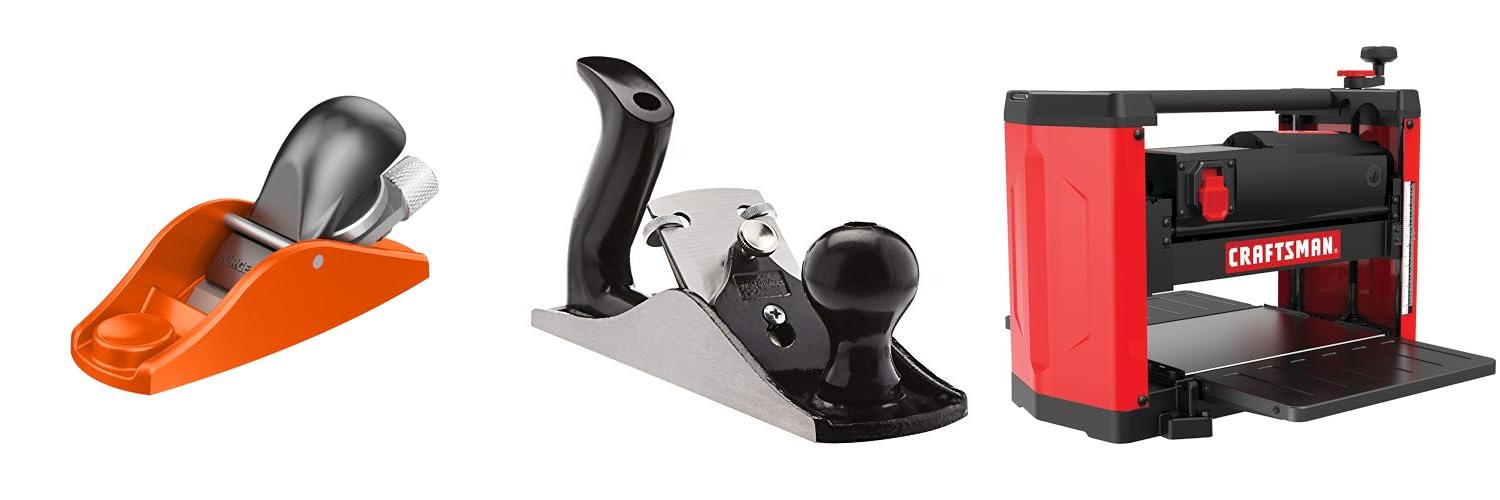
Ever looked at a piece of rough wood and wished it was smooth and flat? That’s where a wood planer comes in. It’s a powerful tool that can transform gnarly lumber into perfect surfaces for your projects. But let’s be honest, picking the right one can feel like navigating a maze. There are so many types, sizes, and features, it’s easy to get confused and waste money on the wrong tool.
This is why understanding wood planers is so important. Whether you’re a beginner just starting to build things or a seasoned pro looking to upgrade, a good planer saves you time and frustration. It makes your woodworking projects look professional. By the end of this post, you’ll know what to look for, understand the different kinds of planers, and feel confident choosing the best one for your needs.
So, let’s dive in and discover how to find the perfect wood planer to bring your ideas to life.
Our Top 5 Wood Planer Recommendations at a Glance
Top 5 Wood Planer Detailed Reviews
1. JORGENSEN 3.5″ Mini Wood Planer – Mini Hand Planer for Woodworking

Rating: 9.1/10
The JORGENSEN 3.5″ Mini Wood Planer is a handy tool for anyone who loves working with wood. This mini hand planer is designed for all sorts of woodworking tasks, from trimming small pieces to detailed crafting. Its small size makes it easy to handle, and its strong build means it can handle tough jobs.
What We Like:
- The blade is made of high-quality O1 tool steel. This makes it sharp and long-lasting, so it cuts wood efficiently and doesn’t wear out quickly.
- The body is made of tough ductile iron. It’s built to last and can handle being dropped.
- You can easily change how deep the blade cuts. Just turn the knob to get the perfect cut for your project.
- It’s small and easy to carry. This makes it great for trimming, smoothing, and other small woodworking jobs.
- The flat bottom is polished smooth. This helps the planer slide easily over the wood for a nice finish.
- It’s easy for both experienced woodworkers and beginners to use. An instruction manual is included.
What Could Be Improved:
- While the blade is professional grade, sharpening it might require some practice for absolute beginners.
- The small size, while a pro for portability, might not be ideal for very large smoothing tasks.
This JORGENSEN mini planer is a reliable tool for your woodworking projects. It offers a great blend of quality and ease of use, making it a valuable addition to any workshop.
2. Amazon Basics Woodworking Hand Planer – No.4 Adjustable Bench Plane with 2-Inch Blade for Wood Smoothing

Rating: 8.5/10
The Amazon Basics Woodworking Hand Planer is a great tool for smoothing wood. It’s a No.4 adjustable bench plane with a 2-inch blade. This planer comes in grey and black and is designed for woodworking tasks.
What We Like:
- The body is made of strong cast iron. This makes the planer stable and tough.
- It has a comfortable handle. The plastic handle is strong and fits nicely in your hand.
- The steel blade is very durable. It cuts wood cleanly and precisely.
- Making adjustments is simple. The gear lets you get the exact smoothness you need.
What Could Be Improved:
- You must adjust the planer before using it. Follow the user manual’s instructions for setup.
This hand planer offers good quality for its price. It’s a solid choice for anyone looking to smooth wood surfaces.
3. CRAFTSMAN Planer

Rating: 8.8/10
The CRAFTSMAN Planer, 15 Amp, For Benchtops, Two Knife Solid Steel Cutter Head (CMEW320) is a powerful tool designed for woodworkers. It handles both hard and soft woods with ease. This benchtop planer is built for serious projects.
What We Like:
- The 15 Amp motor easily removes material from hard and soft woods.
- A poly-v cutterhead drive helps you remove the most material possible.
- The two-knife, solid steel cutter head runs smoothly. It is mounted on ball bearings for a long life.
- High carbon steel knives are double-edged and reversible. This means they last longer.
- A vacuum port helps keep your workspace clean.
What Could Be Improved:
- The manual could be clearer about setup instructions.
- Some users might find the noise level a bit high during operation.
This CRAFTSMAN planer delivers strong performance for its class. It’s a solid choice for anyone looking to improve their woodworking projects.
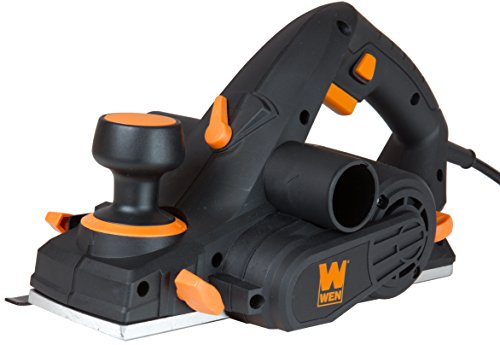
4. WEN 6530 6-Amp Electric Hand Planer
Rating: 9.4/10
The WEN 6530 6-Amp Electric Hand Planer is a powerful tool for woodworking projects. It’s designed to help you smooth out wood surfaces and shape edges with ease. This planer is a great addition to any home workshop.
What We Like:
- Its 6 Amp motor delivers a strong performance, making up to 34,000 cuts each minute.
- You can easily adjust the cutting depth from 0 to 1/8 inches with 16 different settings.
- It can create rabbets up to 1 inch deep with its helpful 5/16 inch rabbeting guide.
- The planer is light, weighing only 6 pounds, which makes it comfortable to use for longer periods.
- It comes with useful accessories like a dust bag, a kickstand, and a parallel fence bracket.
- A 2-year warranty offers peace of mind.
What Could Be Improved:
- Some users might find the dust collection system could be more efficient.
- While powerful, it might not be the best choice for extremely large or heavy-duty professional tasks.
Overall, the WEN 6530 Electric Hand Planer offers excellent value and performance for its price. It’s a solid tool for both beginners and experienced woodworkers.
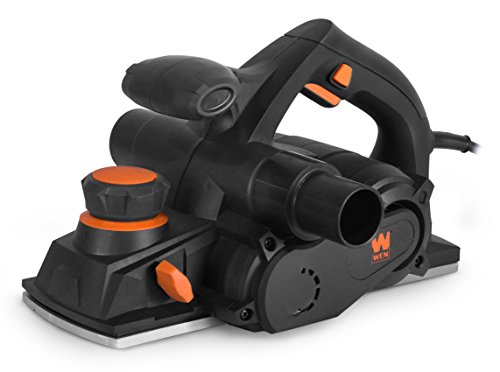
5. WEN 6534 8-Amp Electric Hand Planer
Rating: 9.2/10
The WEN 6534 8-Amp Electric Hand Planer, 4-3/8-Inch is a powerful tool for shaping wood. It helps you smooth out rough lumber and create precise cuts. This planer is great for carpenters and DIYers who work with wood projects.
What We Like:
- It has a strong 8-amp motor that makes 32,000 cuts every minute. This means it cuts wood quickly and smoothly.
- The large 4-3/8-inch cutting width is perfect for bigger pieces of wood like 2x4s and 4x4s.
- You can easily adjust the depth of your cut. There are 16 settings that let you go from a tiny shaving to 1/8 inch deep.
- The dust port can send wood chips to the left or right. This keeps your work area cleaner.
- It comes with useful extras like a dust adapter, sharp blades, and guides for different cuts.
- A two-year warranty is included for peace of mind.
What Could Be Improved:
- While powerful, some users might find the planer a bit heavy for extended use.
- The rabbeting depth is limited to 1/3 inch, which might not be enough for some specialized tasks.
This WEN planer offers a lot of power and features for its price. It’s a solid choice for many woodworking needs.
Choosing the Right Wood Planer: Your Guide to Smooth Surfaces
What is a Wood Planer?
A wood planer is a tool that flattens and smooths rough lumber. It removes thin layers of wood to make surfaces even and level. This tool is essential for woodworkers who want to create beautiful and functional projects.
Key Features to Look For
1. Type of Planer
There are two main types:
- Benchtop Planers: These are smaller and great for DIYers and hobbyists. They fit on a workbench.
- Stationary Planers (or Thickness Planers): These are larger and more powerful. They are for professional woodworkers or serious hobbyists who work with big projects.
2. Cutter Head Speed (Revolutions Per Minute – RPM)
A faster cutter head means smoother cuts. Look for planers with higher RPMs for better results.
3. Depth of Cut
This tells you how much wood the planer can remove in one pass. A deeper cut is good for rough lumber, but you’ll need multiple passes for a smooth finish.
4. Feed Rate
This is how fast the wood moves through the planer. A slower feed rate usually gives a smoother finish.
5. Dust Collection
Wood planers create a lot of sawdust. A good dust collection port helps keep your workspace clean and your lungs healthy.
6. Depth Stop and Graduation Markings
These help you set the exact depth you want to cut. Clear markings make it easy to adjust precisely.
Important Materials
The quality of a wood planer often depends on the materials used in its construction. Good planers use strong, durable metals for their bodies and cutter heads. This ensures the planer lasts a long time and can handle tough jobs.
Factors That Improve or Reduce Quality
What Makes a Planer Better?
- Solid Construction: A heavy, well-built planer is less likely to vibrate. Less vibration means smoother wood.
- Sharp Blades: High-quality, sharp blades are crucial. They make clean cuts and last longer.
- Powerful Motor: A strong motor keeps the cutter head spinning at a consistent speed, even when planning hard wood.
- Ease of Adjustment: Smooth and precise adjustment mechanisms make it easy to get the perfect thickness.
What Makes a Planer Less Good?
- Lightweight Design: Planers made with thin metal or plastic can vibrate a lot. This leads to a rough finish.
- Dull or Low-Quality Blades: These tear the wood instead of cutting it cleanly.
- Weak Motor: The motor can bog down when planning thicker or harder wood.
- Difficult Adjustments: Clunky or imprecise adjustments make it hard to achieve the desired thickness.
User Experience and Use Cases
Who Uses a Wood Planer and Why?
- Homeowners: They might use a planer to flatten old wooden floors, repurpose scrap wood for DIY projects, or make custom shelves.
- Hobbyists and Woodworkers: These users rely on planers to prepare lumber for furniture, cabinets, or decorative items. They need smooth, consistent wood for their creations.
- Professionals: Carpenters and cabinet makers use planers daily to ensure all their wood is perfectly flat and to the correct dimensions.
Using a planer is straightforward. You set the desired thickness, feed the wood under the spinning blades, and the planer shaves off a thin layer. It transforms rough, uneven boards into smooth, usable lumber. A good planer saves time and effort compared to sanding alone.
Frequently Asked Questions (FAQ)
Q: What is the difference between a jointer and a planer?
A: A jointer flattens one face and one edge of a board, making it square. A planer then makes the opposite face parallel to the first face and brings the board to the desired thickness.
Q: How often should I sharpen or replace the blades?
A: This depends on how much you use the planer and the type of wood you’re cutting. Dull blades will tear the wood. Check them regularly and sharpen or replace them when they start to leave a rough surface.
Q: Can I plane treated lumber?
A: It’s generally not recommended to plane treated lumber indoors. The chemicals in treated wood can create unhealthy dust. If you must, do it outdoors with proper dust collection and personal protective equipment.
Q: What is the best type of wood for planing?
A: Most common hardwoods and softwoods can be planed. Very knotty or oily woods can be more challenging and may require more frequent blade maintenance.
Q: How much sawdust does a planer produce?
A: A lot! It’s essential to have a good dust collection system or a shop vacuum connected to the planer’s dust port.
Q: Can I plane plywood?
A: While you can plane plywood, it’s not ideal. The layers of plywood can sometimes peel or chip, leading to a rougher finish than you would get with solid wood.
Q: What is a planer’s “depth of cut” setting?
A: This setting determines how much wood the planer will remove from the top surface of the wood in a single pass. Smaller depths create smoother finishes.
Q: Is a planer noisy?
A: Yes, planers are quite noisy. Always wear hearing protection when operating one.
Q: Can I plane warped boards?
A: A planer can help flatten slightly warped boards, but severely warped boards might require a jointer first to get a flat reference surface.
Q: What are the safety precautions I should take when using a wood planer?
A: Always wear safety glasses, hearing protection, and a dust mask. Keep your hands away from the cutter head. Never leave the planer running unattended. Ensure the wood is supported properly.
In conclusion, every product has unique features and benefits. We hope this review helps you decide if it meets your needs. An informed choice ensures the best experience.
If you have any questions or feedback, please share them in the comments. Your input helps everyone. Thank you for reading.