
Can a 14-year-old get a dirt bike? Yes, a 14-year-old can absolutely get and own a dirt bike, but there are important rules and responsibilities to follow. This guide will walk you through everything you need to know about dirt bike ownership for teens.
Owning a dirt bike at 14 is an exciting prospect for many young thrill-seekers. The freedom of the open trail, the roar of the engine, and the challenge of mastering a new skill are all part of the allure. But before you start dreaming of ripping through mud and dust, there are some crucial steps and considerations involved in getting and legally owning a dirt bike at this age. This comprehensive guide is designed to help you navigate the process, from understanding the law to choosing the right bike and ensuring you have everything you need for safe and responsible ownership.
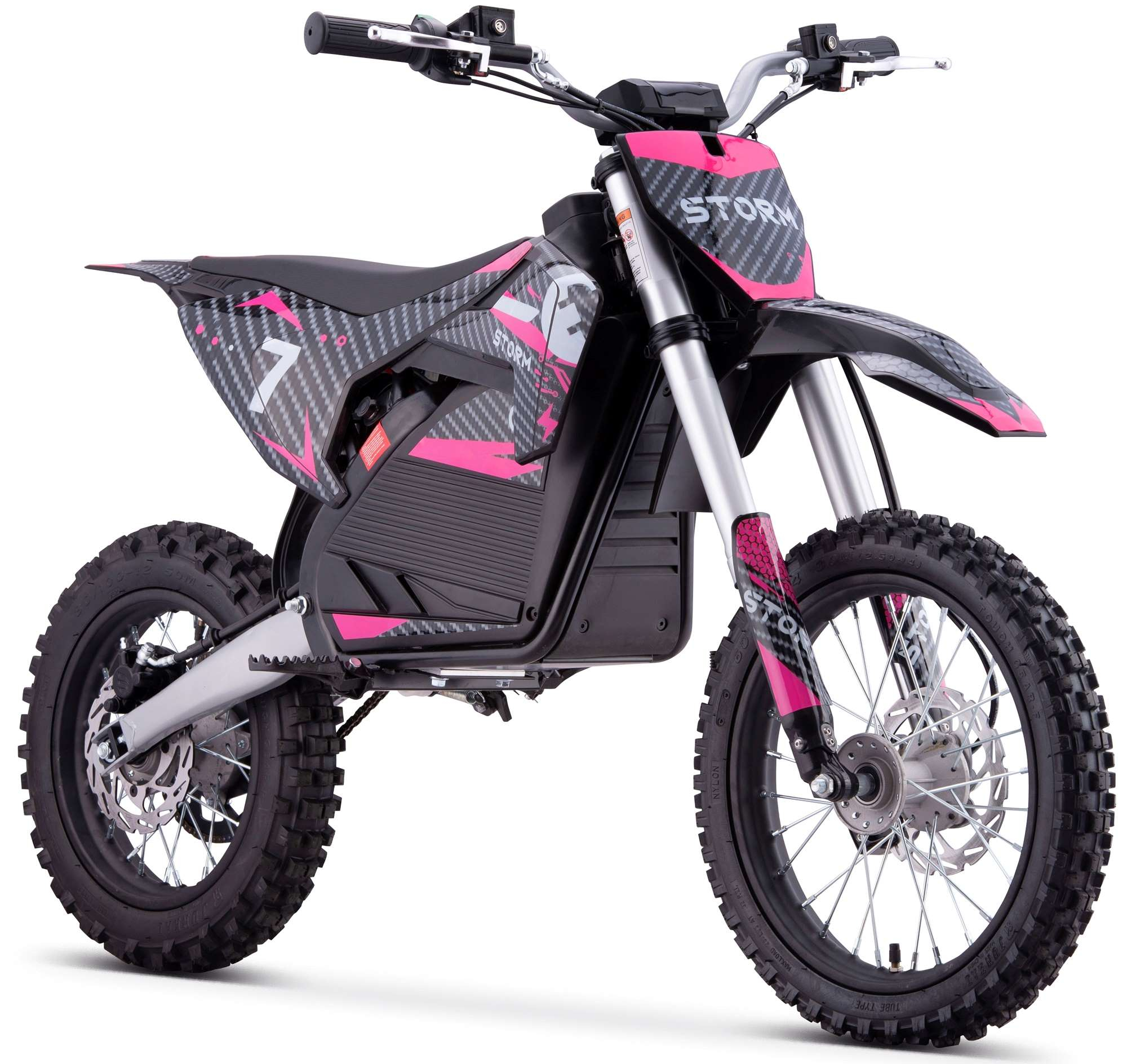
Image Source: ahead4-stormbuggies.s3.eu-west-1.amazonaws.com
Deciphering the Legal Landscape: Can You Ride?
The first and most important question many teens have is about the legal aspects of riding. What is the legal dirt biking age? While there isn’t a universal “legal dirt biking age” that applies everywhere for all types of riding, generally, you can begin operating off-road motorcycles at a young age with proper supervision and in designated areas. However, to own a dirt bike, the situation is a bit different and often involves your parents or legal guardians.
Dirt Bike Licensing Requirements
For off-road riding on private property or designated dirt bike tracks, a specific driver’s license is usually not required. However, if you plan to ride on public lands or trails that are open to other vehicles, you might need a permit or a special off-road license. The specific dirt bike licensing requirements vary significantly by state and country.
- Off-Road Vehicle (ORV) Permits: Many states require you to register your dirt bike as an ORV and obtain a permit to ride on designated public trails and lands. This often involves a fee.
- Learner’s Permits: Some jurisdictions might offer a learner’s permit for off-road riding, allowing younger riders to practice under supervision.
- No License Needed for Private Property: Generally, if you are riding on private land with the owner’s permission, you do not need a license or permit.
It is crucial to research the specific laws in your local area and the areas where you intend to ride. Your parents or guardians will be instrumental in helping you understand and comply with these regulations.
The Financial Journey: Getting a Dirt Bike Without Breaking the Bank
The cost of a dirt bike, along with gear and maintenance, can add up quickly. For a 14-year-old, this often means relying on parental support or finding ways to contribute financially.
Parents Helping Buy Dirt Bike
Most 14-year-olds will need significant help from their parents or guardians when it comes to purchasing a dirt bike. This can take several forms:
- Full Purchase: Parents might cover the entire cost of the bike and associated expenses as a gift or investment in a hobby.
- Contribution Matching: Parents might agree to match any savings you contribute towards the purchase.
- Loan or Shared Ownership: Parents might purchase the bike and allow you to use it, with the understanding that you will contribute to maintenance or future upgrades.
- Payment Plans: If purchasing from a dealership, parents will likely need to co-sign any financing agreements.
Open and honest communication with your parents about your desire for a dirt bike, your responsibilities, and the associated costs is key to getting their support.
Dirt Bike Financing for Teens
Direct dirt bike financing for teens is generally not available as minors cannot legally enter into contracts or loans. However, parents or legal guardians can co-sign for a loan at a dealership or bank.
Considerations for financing:
- Down Payment: Having a down payment ready can significantly reduce the amount financed and lower monthly payments.
- Interest Rates: Compare interest rates from different lenders.
- Repayment Terms: Ensure the repayment terms are manageable.
- Insurance: Many lenders will require comprehensive insurance on the financed dirt bike.
Buying Your First Dirt Bike: A Step-by-Step Approach
Buying your first dirt bike is a major step. It’s not just about picking the coolest-looking bike; it’s about choosing a machine that suits your skill level, size, and intended use.
1. Determine Your Riding Style and Needs
- Trail Riding: For exploring trails, you’ll want a bike that’s comfortable for longer rides, has good suspension, and offers a balance of power and control.
- Motocross (MX): MX bikes are built for racing on closed tracks with jumps and obstacles. They are typically lightweight and have aggressive power delivery.
- Enduro: These bikes are designed for endurance racing and challenging off-road conditions. They often have features like lights, larger fuel tanks, and softer suspension.
- Beginner Bikes: For a first bike, it’s wise to choose something smaller and less powerful. This allows you to learn the fundamentals without being overwhelmed.
2. Choosing the Right Size and Engine Displacement
For a 14-year-old, the size of the bike is critical for both control and safety.
| Age Range (Approx.) | Typical Rider Height | Recommended Engine Size (CC) | Bike Type Examples |
|---|---|---|---|
| 8-10 | 4’0″ – 4’6″ | 50cc – 70cc | Pit bikes, small youth MX bikes |
| 10-12 | 4’6″ – 5’0″ | 70cc – 90cc | Youth MX bikes, beginner trail bikes |
| 12-14 | 5’0″ – 5’6″ | 80cc – 125cc | Junior MX bikes, smaller trail bikes |
| 14+ | 5’6″ and up | 100cc – 250cc | Full-size dirt bikes (depending on power) |
Important Notes:
- Seat Height: The most crucial factor is being able to comfortably touch the ground with both feet when seated. This provides stability and control.
- Power Delivery: Start with a bike that has smooth, predictable power. A 50cc or 80cc two-stroke is often a good starting point for younger teens. As you grow and gain experience, you can move to larger displacement bikes like 125cc or even 250cc.
- Two-Stroke vs. Four-Stroke:
- Two-strokes: Lighter, simpler, more powerful for their size, but require mixing oil and gas.
- Four-strokes: Smoother power delivery, more fuel-efficient, but generally heavier and more complex.
3. New vs. Used
- New Bikes:
- Pros: Latest technology, full warranty, pristine condition.
- Cons: Highest cost, depreciation is immediate.
- Used Bikes:
- Pros: More affordable, allows you to get more bike for your money, less worry about minor cosmetic damage.
- Cons: No warranty, potential for hidden issues, requires careful inspection.
If buying used, bring an experienced rider or mechanic to inspect the bike. Look for signs of abuse, excessive wear, or poor maintenance.
4. Where to Buy
- Dealerships: Offer new and sometimes used bikes, financing options, and service departments.
- Private Sellers: Often found on online marketplaces (e.g., Craigslist, Facebook Marketplace) or through local riding communities. Prices can be lower, but inspection is critical.
- Motorsport Retailers: Some larger retailers also sell off-road vehicles.
Gearing Up for Safety: Essential Protection
Safety is paramount when riding a dirt bike. Even with the best bike, without the proper protective gear, you’re at risk. For minors, ensuring you have the correct dirt bike safety gear for minors is non-negotiable.
The Essential Safety Gear Checklist:
- Helmet: This is the most critical piece of gear. It should be a DOT-approved (or equivalent standard) full-face helmet specifically designed for dirt biking. Ensure it fits snugly and comfortably.
- Goggles: Protect your eyes from dirt, dust, rocks, and debris.
- Jersey: Made of breathable, moisture-wicking material to keep you cool and comfortable.
- Pants: Durable riding pants with padding in key areas like the knees and hips.
- Boots: Tall, sturdy dirt bike boots are essential for protecting your feet, ankles, and lower legs. They should be specifically designed for off-road riding.
- Gloves: Protect your hands and provide better grip on the handlebars.
- Body Armor/Chest Protector: Recommended, especially for beginners and when riding on tracks with jumps. This provides protection for your torso, ribs, and spine.
- Knee Guards/Braces: Offer protection and support for your knees, which are vulnerable in a fall.
- Neck Brace: Highly recommended for all levels of riding to help prevent severe neck injuries.
Always wear your gear, every time you ride. It’s an investment in your safety.
Mastering the Machine: Riding and Maintenance
Owning a dirt bike comes with the responsibility of learning to ride it safely and keeping it in good working order.
Dirt Bike Riding Tips for Beginners
- Start Slow: Don’t try to do too much too soon. Get comfortable with the basics: clutch control, throttle control, braking, and body positioning.
- Practice Basic Skills: Practice starting, stopping, turning, and shifting in a safe, open area.
- Body Position: Stand on the footpegs with your knees and elbows bent. This allows your body to act as suspension and absorb bumps. Look where you want to go, not at obstacles.
- Throttle Control: Learn to apply the throttle smoothly. Too much throttle too soon can lead to losing control.
- Braking: Understand how to use both the front and rear brakes effectively. Generally, use the rear brake for most slowing and the front brake for sharper stops.
- Look Ahead: Always look where you want to go. Your bike will naturally follow your gaze.
- Stay Relaxed: Tension can make you rigid and less able to react. Try to stay loose and relaxed on the bike.
- Find a Mentor: If possible, have an experienced rider or instructor guide you.
Dirt Bike Maintenance for Young Riders
Regular maintenance is crucial for the longevity and safe operation of your dirt bike. As a young owner, you should actively participate in this.
Basic Maintenance Tasks You Can Learn:
- Cleaning the Bike: After every ride, wash your bike to remove dirt and grime. This makes it easier to spot potential problems.
- Checking Tire Pressure: Proper tire pressure is vital for handling and traction.
- Lubricating the Chain: A clean and properly lubricated chain runs smoother and lasts longer.
- Checking and Topping Off Fluids: This includes coolant (for four-strokes) and checking the oil level.
- Air Filter Cleaning/Replacement: A dirty air filter restricts airflow and reduces performance. This is a common and important maintenance task.
- Bolt Checks: Periodically check that all bolts and fasteners are tight.
Involving yourself in these tasks helps you become a more competent and responsible owner. Your parents or a mechanic can show you how to do these things.
When to Seek Professional Help:
- Major Engine Issues: If you hear strange noises, experience power loss, or the bike won’t start.
- Brake or Clutch Problems: If the brakes feel spongy or the clutch isn’t engaging properly.
- Suspension Issues: If the suspension feels off or leaks oil.
- Tire Changes: While some can learn to change tires, it requires specific tools and technique.
Responsible Ownership: Beyond the Ride
Owning a dirt bike at 14 means more than just riding. It involves being responsible, safe, and considerate.
Where Can You Ride Legally?
- Designated Off-Road Parks and Tracks: These are specifically built for dirt biking and are often the safest places to learn and ride.
- Private Property: With explicit permission from the landowner. Always ensure you have written permission if possible.
- Public Lands: Only in areas designated for ORV use. This requires researching specific trail systems and adhering to all posted rules and regulations. Never ride on private property without permission or in areas where off-road vehicles are prohibited.
Respecting the Environment and Others
- Stay on Trails: Avoid riding through vegetation or sensitive areas to minimize environmental impact.
- Noise Levels: Be mindful of noise, especially if riding near residential areas. Stick to designated times and locations.
- Safety First: Ride within your limits and always wear your gear.
- Learn the Rules: Understand trail etiquette and any specific regulations for the areas you ride in.
Frequently Asked Questions (FAQ)
Q1: Do I need a driver’s license to ride a dirt bike at 14?
A: For riding on private property or dedicated dirt bike tracks, generally no driver’s license is required. However, if you plan to ride on public roads or trails open to other vehicles, specific licenses or permits may be necessary, and these often require you to be older or have a learner’s permit. Always check local laws.
Q2: What’s the best first dirt bike for a 14-year-old?
A: The best first dirt bike depends on your height, weight, and riding experience. For many 14-year-olds, an 80cc to 125cc two-stroke or a 100cc to 150cc four-stroke is a good starting point, provided you can comfortably touch the ground with both feet when seated. Prioritize a bike that is manageable and forgiving as you learn.
Q3: How much does a dirt bike typically cost?
A: The cost varies widely. New beginner dirt bikes can range from $2,500 to $4,500. Used bikes can be found for anywhere from $500 to $2,000 or more, depending on the age, condition, and type of bike. Don’t forget to budget for gear, maintenance, and potentially registration fees.
Q4: Can I ride my dirt bike on the street?
A: In most places, no. Dirt bikes are not street-legal as they lack essential safety features like lights, mirrors, and turn signals, and they don’t meet emissions standards. Riding a dirt bike on public roads without proper registration and equipment is illegal and dangerous.
Q5: What are the most important safety gear items?
A: The most important safety gear includes a full-face helmet, goggles, dirt bike boots, gloves, and durable riding pants and jersey. A chest protector and knee guards are also highly recommended for enhanced protection.
Q6: How do I get a dirt bike if I don’t have a lot of money?
A: You can explore buying a used dirt bike, which is often significantly cheaper. Saving up over time, participating in yard work or chores for neighbors to earn money, or discussing a payment plan or loan with your parents are also viable options. Some parents might even help with a down payment if you show responsibility and commitment.