
Shipping a bike to another state can seem daunting, but with careful preparation and the right approach, you can ensure your prized possession arrives safely. Yes, you can ship a bike to another state, and this guide will walk you through every step. Whether you’re relocating, selling a bike, or sending a gift, proper packing and choosing the right bike shipping services are crucial for a successful transit. This comprehensive guide will cover everything from choosing the best bicycle transport companies to the nuances of packing a bike for shipping.
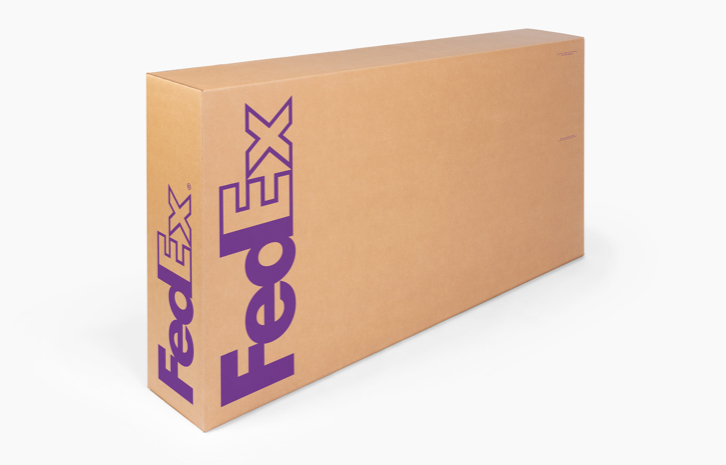
Image Source: www.fedex.com
Preparing Your Bicycle for Transit
Before your bike embarks on its journey, meticulous preparation is key. This involves not just disassembly but also ensuring every component is secure and protected.
Essential Tools and Supplies
Gathering the right tools and materials upfront will make the packing process smoother.
- Bike Box: A sturdy, purpose-built bike box is paramount. These are often available from local bike shops or specialized shipping suppliers.
- Padding Materials: Bubble wrap, foam padding, pool noodles, or even old rags are essential for protecting delicate parts.
- Packing Tape: Strong, wide packing tape is needed to seal the box securely.
- Tools: Hex wrenches (Allen keys), pedal wrench, screwdriver, tire levers, and possibly a torque wrench for reassembly.
- Zip Ties or Velcro Straps: To secure cables and parts.
- Cardboard Scraps: For reinforcing corners and creating custom padding.
- Gloves: To keep your bike clean and your hands protected.
Step-by-Step Disassembly and Packing
Taking apart your bike correctly minimizes the risk of damage during transit.
1. Clean Your Bike
Start by giving your bike a thorough cleaning. A clean bike is easier to handle, and it allows you to inspect for any pre-existing damage that you might want to document. Remove any dirt, mud, or grease that could transfer to the packing materials or other parts.
2. Remove Pedals
Pedals should always be removed. Remember that the left pedal typically has a reverse thread. Use a pedal wrench and turn counter-clockwise to loosen it. If it’s stuck, a bit of penetrating oil can help. For shipping a road bike, ensure the crank arms are also protected.
3. Remove Wheels
Quick-release skewers can usually be removed by hand. For bolted axles, you’ll need the appropriate wrench. Deflate the tires completely to reduce pressure on the rims. You can then remove the wheels from the frame. Consider sliding the wheels into the frame dropouts with the skewers or axles partially threaded in to keep them together.
4. Turn Handlebars and Stem
Loosen the stem bolts and rotate the handlebars so they are parallel to the frame. Sometimes, you may need to remove the handlebars entirely from the stem, especially for wider handlebars or if space is tight.
5. Lower or Remove Seat Post
Lower the seat post as far as it will go into the frame. For best practice, you might want to remove it entirely. If you leave it in, ensure it’s secured so it doesn’t shift and damage the frame.
6. Protect the Drivetrain
The derailleur, especially the rear derailleur, is a very vulnerable component. Carefully shift the chain onto the smallest chainring and smallest cog. Then, gently push the rear derailleur inwards towards the frame and secure it with zip ties or straps. This moves it out of the way and protects it from impacts.
7. Protect Sensitive Components
- Frame: Wrap the frame with bubble wrap or foam, paying extra attention to areas like the bottom bracket, head tube, and seat stays.
- Fork: Protect the fork dropouts with cardboard or foam.
- Handlebars: Wrap them thoroughly.
- Crank Arms: Consider wrapping them to prevent them from scratching the frame.
- Shifters and Brake Levers: Pad these carefully.
8. Pack Components into the Box
- Frame: Place the frame in the center of the box. If you’re using a dedicated bike box, it will often have pre-cut sections or space for the frame.
- Wheels: Place the wheels on either side of the frame, ensuring they are padded and don’t rub directly against the frame. You can use wheel bags for extra protection.
- Smaller Parts: Pack pedals, seat post, tools, and any other removed components into a separate bag or box and place them securely within the main bike box, ensuring they don’t rattle around. Fill any empty spaces with crumpled paper or more padding to prevent movement.
9. Secure the Box
Once everything is packed, close the box and seal it thoroughly with strong packing tape. Ensure all seams and edges are well-taped.
Choosing the Right Bike Shipping Company
Selecting the right bicycle transport companies is as critical as packing your bike correctly. Several options cater to different needs and budgets.
Types of Shipping Providers
- Major Shipping Carriers: Companies like FedEx, UPS, and DHL offer ground and air shipping services. They are generally reliable and have extensive networks. However, they may have specific size and weight restrictions for bikes, and their handling can sometimes be less specialized for delicate items like bicycles.
- Specialized Bike Shipping Services: Companies like Bikeflights, Ship Bikes, and Velojet are dedicated to bike shipping services and understand the unique needs of transporting bicycles. They often offer better rates and more specialized handling, knowing how to manage shipping a bicycle cross country or even for international bike shipping.
- Motorcycle Shipping Companies: While you are shipping a bicycle, it’s worth noting that motorcycle shipping companies are accustomed to handling larger, heavier, and more specialized vehicle transport. Some may also offer services for high-value bicycles, though this is less common.
- Freight Shipping: For bulkier shipments or if you’re dealing with a large number of bikes, freight shipping bikes might be an option. This typically involves palletizing the bikes and using less-than-truckload (LTL) freight services. It’s usually more complex and best suited for businesses.
Factors to Consider When Selecting a Shipper
- Cost: Compare quotes from different providers. Factor in insurance, transit time, and any additional services.
- Transit Time: How quickly do you need the bike to arrive?
- Insurance: Does the carrier offer adequate insurance coverage for your bike’s value? Read the terms and conditions carefully, as some policies have limitations for bicycles.
- Customer Reviews and Reputation: Look for companies with positive reviews specifically related to shipping bikes or fragile items.
- Packaging Requirements: Some companies might have specific rules about how bikes must be packed. Specialized services are often more accommodating.
- Tracking: Ensure the service provides reliable tracking so you can monitor your bike’s progress.
Calculating Shipping Costs
Shipping costs are influenced by several factors:
- Weight and Dimensions: The heavier and larger the box, the more it will cost.
- Distance: Shipping across the country will naturally cost more than shipping within the same state.
- Speed of Service: Expedited shipping options are more expensive.
- Insurance: Adding insurance increases the overall cost.
- Fuel Surcharges: These can fluctuate and add to the base price.
It’s always best to get a precise quote directly from the shipping company once your bike is packed and you have the final dimensions and weight.
Shipping a Bicycle: Step-by-Step Process
Once you’ve prepared your bike and chosen a shipper, follow these steps to send it off.
Step 1: Get a Quote and Book Your Shipment
- Visit the website of your chosen shipping provider or call them directly.
- Provide the dimensions and estimated weight of your packed bike.
- Specify the origin and destination states.
- Choose your desired shipping speed and any additional services like insurance.
- Book your shipment and receive a booking confirmation and shipping label.
Step 2: Print and Attach Shipping Labels
- Print the shipping label clearly.
- Attach the label securely to the top of the box using packing tape. Ensure the barcode is fully visible and not creased or obscured.
- Write your contact information and the recipient’s contact information legibly on the box as a backup.
Step 3: Drop Off Your Packed Bike
- Take your packed bike to the designated drop-off location for your chosen carrier. This could be a UPS Store, FedEx Office, or a specific shipping depot.
- If you’re using a specialized service, they might offer pickup services for an additional fee.
Step 4: Track Your Shipment
- Use the tracking number provided by the shipping company to monitor your bike’s journey. Check the tracking updates regularly.
Step 5: Notify the Recipient
- Inform the person receiving the bike about the shipment and provide them with the tracking number.
Receiving Your Bicycle
The process doesn’t end when the bike arrives. Inspecting it upon arrival is crucial.
Inspecting the Package
- When the bike is delivered, visually inspect the box for any signs of damage, such as punctures, tears, or crushed corners.
- If the box appears significantly damaged, document it with photos before opening it. Note any damage on the delivery receipt if possible.
Unpacking and Reassembly
- Carefully unpack your bike, removing all padding materials.
- Inspect the bike for any damage that may have occurred during shipping. Check the frame, fork, wheels, drivetrain, and components for dents, scratches, or bends.
- If you removed the handlebars and seat post, reassemble them according to the disassembly steps, but in reverse.
- Reinstall the pedals.
- If the wheels were removed, reattach them and ensure they are properly secured.
- Check brake and gear adjustments. It’s highly recommended to have a qualified bike mechanic inspect and tune up the bike after shipping, especially if you’re not experienced with reassembly.
What to Do If There’s Damage
- Document Everything: Take clear photos of the damage to the bike and the packaging.
- Contact the Shipper Immediately: Report the damage to the shipping company as soon as possible. Most companies have a limited window for filing claims.
- File a Claim: Follow the shipping company’s procedures for filing a claim. Provide all the necessary documentation, including photos, receipts, and the shipping label.
- Contact Your Insurance Provider: If you purchased separate insurance, contact that provider.
Special Considerations for Shipping a Bicycle Cross Country
Shipping a bicycle cross country presents unique challenges due to the longer transit times and increased handling.
- Durability of Packing: Extra care must be taken to ensure your packing materials are robust enough to withstand the journey. Reinforce cardboard edges and use ample padding.
- Choosing Reliable Carriers: Opt for carriers with a proven track record for long-distance shipping. Specialized bike shippers often have more streamlined processes for cross-country transit.
- Insurance: Given the extended travel, comprehensive insurance coverage is highly recommended when shipping a bicycle cross country.
Used Bike Shipping
When shipping a used bike shipping, it’s important to be honest about its condition and to pack it with the same care as a new one.
- Honest Description: If selling a used bike, be transparent with the buyer about its condition and any wear and tear.
- Thorough Inspection: Before packing a used bike, inspect it for any existing damage that could be exacerbated during shipping. Document these imperfections.
- Packaging for Durability: Used bikes might already have minor cosmetic issues. Ensure your packing protects against further damage that could devalue the bike.
Shipping a Road Bike
Road bikes are often lightweight and have delicate components that require specialized attention.
- Aerobars and Drop Handlebars: These can be particularly vulnerable. Ensure they are well-padded and secured to prevent them from digging into the frame or other components. Consider removing them entirely if space is very tight.
- Wheel Protection: Road bike wheels, especially deep-section rims, can be prone to damage. Use robust wheel bags and extra padding.
- Derailleur Protection: As mentioned earlier, the rear derailleur is extremely fragile. Secure it meticulously.
International Bike Shipping
International bike shipping adds another layer of complexity, involving customs, different carriers, and potentially longer transit times.
- Customs Declarations: You’ll need to complete customs forms accurately, declaring the bike’s value and nature.
- Import Duties and Taxes: The recipient may be responsible for import duties and taxes in the destination country. Research these in advance.
- Carrier Choice: For international bike shipping, consider using major international carriers like DHL, FedEx, or UPS, or specialized international shipping companies that handle sporting equipment.
- Packaging for Long Haul: The packaging must be exceptionally robust to withstand multiple transfers and potential rough handling. Consider using a hard-shell bike case for the ultimate protection.
- Insurance for International Shipments: Ensure your insurance covers international transit.
Frequently Asked Questions About Bike Shipping
Q: Can I ship a bike without a special bike box?
A: While it’s possible, it’s not recommended for safety. A standard cardboard box might not be sturdy enough and could be damaged during transit, exposing your bike to harm. Purpose-built bike boxes are designed to protect bikes and often have internal supports. If you can’t find a dedicated bike box shipping option, look for the strongest, largest cardboard box you can find and reinforce it heavily.
Q: How much does it typically cost to ship a bike?
A: The cost varies significantly depending on the distance, the shipping service chosen, and the weight/dimensions of the package. Shipping a bike domestically within the US can range from $75 to $300 or more. Motorcycle shipping costs are generally higher.
Q: Do I need to insure my bike when shipping it?
A: Yes, it is highly recommended. While most shipping services offer insurance, it’s crucial to read the policy carefully. Standard liability coverage is often minimal. For valuable bikes, especially when shipping a bicycle cross country or internationally, purchasing additional insurance is a wise investment.
Q: What if my bike is damaged in transit?
A: If your bike arrives damaged, document the damage immediately with photos and contact the shipping company right away to file a claim. Keep all original packaging and shipping documents.
Q: Can I ship a bike assembled?
A: It’s generally not advisable to ship a bike fully assembled. Most shipping companies require bikes to be partially disassembled (pedals off, handlebars turned, seat post lowered) to fit within their size constraints and to prevent damage. Specialized bicycle transport companies may have different requirements, but partial disassembly is almost always necessary.
Q: How do I ship a bike if I don’t have the original box?
A: The best option is to purchase a dedicated bike box from a local bike shop, a shipping supply store, or online from specialized retailers. These boxes are designed to fit most bikes and provide optimal protection.
By following these comprehensive steps, you can confidently ship your bike to another state, ensuring it arrives at its destination in the same condition it left. Careful planning, meticulous packing, and choosing the right bike shipping services are the keys to a successful and stress-free bicycle transport experience.