
A 50cc dirt bike can typically reach a top speed of around 25-35 miles per hour (40-56 kilometers per hour), though this can vary based on several factors.
So, you’re curious about the speed of a 50cc dirt bike. It’s a common question, especially for parents looking at their first off-road machine for a young rider or enthusiasts wondering about the performance of these small but mighty bikes. Let’s dive deep into what makes a 50cc dirt bike tick and how fast it can truly go.
Image Source: images.app.ridemotive.com
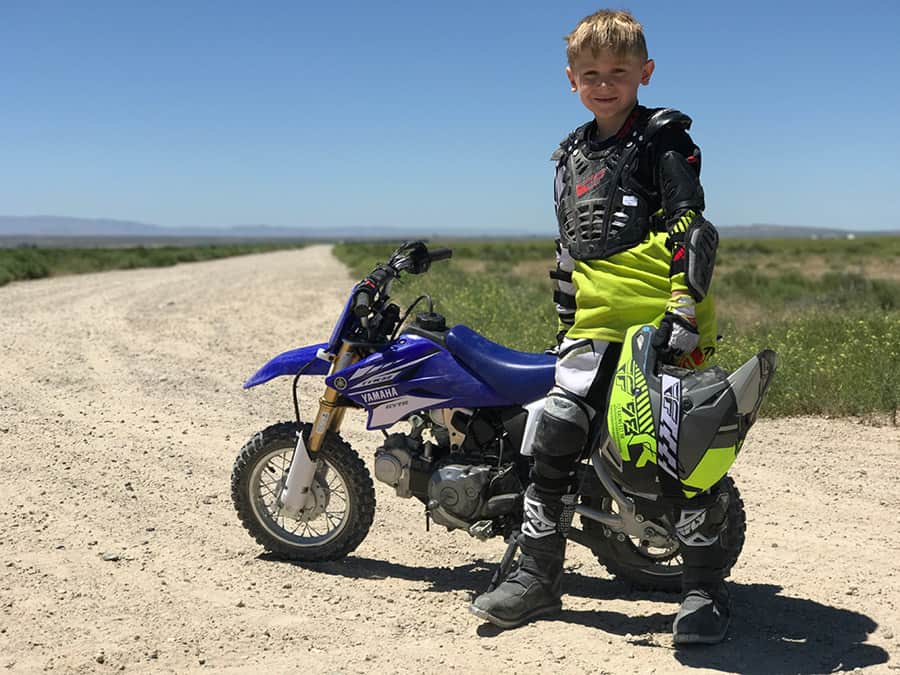
Gauging the Pace of a 50cc Dirt Bike
When we talk about the 50cc dirt bike top speed, we’re looking at the maximum velocity this type of motorcycle can achieve under ideal conditions. These bikes are designed primarily for younger riders, beginners, and for use in controlled environments like backyards or designated riding areas. Their smaller engines and lighter frames mean their speed is much lower than larger, adult-sized dirt bikes.
What Influences 50cc Dirt Bike Speed?
Several elements contribute to the overall speed a 50cc dirt bike can achieve. It’s not just about the engine size.
Engine Size and Type
The “50cc” refers to the engine’s displacement, meaning the volume of air and fuel the engine can displace with each revolution. A 50cc engine is small, usually a two-stroke or a four-stroke, and designed for low-end torque and manageable power delivery.
- Two-Stroke Engines: These are common in many 50cc dirt bikes due to their simplicity and power-to-weight ratio. They tend to be zippier and offer quicker acceleration.
- Four-Stroke Engines: While less common in the absolute entry-level 50cc segment, some models might feature them. They offer smoother power delivery and better fuel efficiency but might not feel as punchy as a two-stroke.
Gearing
The 50cc dirt bike gearing plays a crucial role in how quickly the bike accelerates and its top speed. The gear ratio determines how much the engine has to turn to make the rear wheel turn once.
- Lower Gearing (e.g., larger rear sprocket): This results in faster acceleration but a lower top speed. It’s good for getting moving quickly from a standstill.
- Higher Gearing (e.g., smaller rear sprocket): This leads to slower acceleration but a higher potential top speed.
Manufacturers set gearing based on the intended use of the bike. For young riders, gearing is often set to prioritize control and safety.
Rider Weight
A lighter rider will naturally be able to achieve a higher speed than a heavier rider on the same 50cc dirt bike. This is due to the power-to-weight ratio. A smaller engine has to work harder to move a heavier load.
Terrain and Conditions
The surface you’re riding on significantly impacts speed.
- Smooth, Packed Dirt: This offers the least resistance, allowing for the highest speeds.
- Loose Gravel or Sand: These surfaces create more drag, slowing the bike down and making it harder to maintain traction.
- Mud or Wet Conditions: These can also reduce speed and create a significant safety hazard due to loss of grip.
- Inclines: Riding uphill will always reduce a bike’s speed, especially a smaller-displacement engine like a 50cc.
Tire Pressure and Condition
Properly inflated tires reduce rolling resistance, allowing the bike to roll more freely and achieve higher speeds. Worn tires might not grip as well, potentially limiting acceleration and braking.
Maintenance and Tuning
A well-maintained and properly tuned 50cc dirt bike will perform better than one that is neglected. This includes ensuring the carburetor is clean, the spark plug is in good condition, and the exhaust system is free of obstructions.
Typical 50cc Dirt Bike Performance Metrics
Let’s break down the 50cc dirt bike performance in more detail.
50cc Dirt Bike Top Speed: The Numbers
As mentioned, the 50cc dirt bike top speed generally falls between 25 mph and 35 mph (40-56 kph). Some specialized or modified 50cc bikes might exceed this, but for standard, off-the-shelf models intended for beginners, this is the expected range.
- Entry-Level Models: These are often geared for lower speeds and smoother power to build confidence in young riders. Their top speeds might be at the lower end of the 25-35 mph range.
- Slightly More Advanced 50cc Bikes: These might offer a bit more punch and could reach the higher end of the 35 mph mark.
50cc Dirt Bike Acceleration
50cc dirt bike acceleration is typically brisk for its size, especially from a dead stop. The smaller, lighter nature of these bikes means they can get up to speed relatively quickly, which is exciting for young riders. The acceleration curve is usually designed to be manageable, avoiding a sudden, overwhelming surge of power. This is crucial for new riders learning throttle control.
- Initial Burst: Expect a decent initial pull off the line, allowing riders to gain momentum quickly on flat ground.
- Sustained Speed: Once at cruising speed, maintaining it on inclines or against resistance will be more challenging due to the small engine.
50cc Pit Bike Speed vs. 50cc Dirt Bike Speed
While often used interchangeably, “pit bike” and “dirt bike” can sometimes refer to slightly different categories. However, when comparing 50cc versions, the speed differences are usually minimal and depend more on the specific model’s design and intended purpose.
- 50cc Pit Bikes: These are often designed for recreational use, sometimes even smaller in overall size than traditional dirt bikes. Their speeds will likely be in the same general ballpark as standard 50cc dirt bikes, perhaps even slightly less if they are exceptionally small.
- 50cc Dirt Bikes: These are typically built with suspension and features more aligned with actual off-road riding, even if at a beginner level.
50cc Off-Road Bike Speed and 50cc Trail Bike Speed
When we consider 50cc off-road bike speed or 50cc trail bike speed, the context is important. These terms usually refer to bikes designed for light trail riding or navigating simple off-road paths. The speeds are still within that 25-35 mph range, with an emphasis on torque for getting over small obstacles rather than outright speed.
50cc Mini Dirt Bike Speed
The term 50cc mini dirt bike speed specifically highlights the smaller stature of these machines. These are often the smallest of the dirt bikes, perfect for very young children just starting out. Their speeds are at the lower end of the spectrum, prioritizing safety and ease of control. You might find some of these topping out closer to 20-25 mph.
Factors Affecting Engine Speed (RPM)
The 50cc dirt bike engine speed (revolutions per minute, or RPM) is directly linked to the bike’s velocity.
- Gearbox: The transmission allows the rider to select different ratios, changing how the engine’s RPM translates to wheel speed. Lower gears mean the engine spins faster for a given wheel speed, providing more torque. Higher gears mean the engine spins slower for the same wheel speed, allowing for higher velocities.
- Throttle Input: The rider controls the engine speed by how much they open the throttle.
- Engine Load: Uphill climbs or carrying a heavier load will cause the engine to work harder, potentially keeping RPMs higher for a given speed, or preventing it from reaching its maximum RPM.
50cc Dirt Bike Speed Test Considerations
When performing a 50cc dirt bike speed test, several variables need to be consistent for accurate comparisons:
- Rider Weight: Keep the rider weight as consistent as possible between tests.
- Terrain: Test on the same type of surface.
- Wind Conditions: Minimize the impact of wind.
- Gearing: Ensure the gearing is stock or consistently modified.
- Engine State: The engine should be at optimal operating temperature.
Can a 50cc Dirt Bike Be Modified for More Speed?
Yes, like most engines, a 50cc dirt bike engine can be modified to increase its 50cc dirt bike performance and top speed. However, these modifications often come with trade-offs:
- Exhaust Systems: Aftermarket exhausts can improve exhaust flow, potentially increasing power and top speed.
- Carburetor Upgrades: A larger or better-tuned carburetor can allow more fuel and air into the engine, boosting performance.
- Performance Air Filters: These can improve airflow to the carburetor.
- Engine Rebuilds/Porting: More advanced modifications involve altering the engine’s internal components for greater power.
- Gearing Changes: As discussed, altering the 50cc dirt bike gearing can change the speed and acceleration characteristics.
- Larger Carburetor/Pipe Combination: These are common upgrades that work well together.
Important Note: Modifying a 50cc dirt bike for significantly higher speeds can be dangerous for young or inexperienced riders. It can also make the bike less reliable and more difficult to control. Always consider the rider’s skill level and safety before making modifications.
Who Rides 50cc Dirt Bikes?
50cc dirt bikes are primarily designed for:
- Young Children (Ages 4-8): These are the most common riders. They are the perfect entry point into the world of motocross and off-road riding.
- Beginner Adults (Rarely): While not ideal for adult riders due to size and power limitations, some very small adults or those looking for a novelty or pit bike might use them.
- Pit Bikes for Mechanics: Sometimes used by older riders for moving around a pit area at races.
The Importance of Safety Gear
Regardless of the speed, safety is paramount when riding any dirt bike. Ensure all riders wear:
- DOT-approved helmet: Essential for head protection.
- Goggles: To protect eyes from dust, dirt, and debris.
- Gloves: For grip and hand protection.
- Boots: Sturdy, over-the-ankle boots are crucial for ankle support and protection.
- Pants and Jersey: Padded riding gear offers abrasion resistance and impact protection.
- Chest Protector/Body Armor: Recommended for added protection.
Table: Typical 50cc Dirt Bike Specifications
| Feature | Typical Specification | Notes |
|---|---|---|
| Engine Size | 50cc | Usually 2-stroke, some 4-stroke |
| Top Speed | 25-35 mph (40-56 kph) | Varies by model, rider weight, terrain, and gearing. |
| Horsepower | 3-5 HP | Approximate range, dependent on engine design and tuning. |
| Transmission | Automatic (Centrifugal Clutch) | Simplifies riding for beginners. |
| Suspension Travel | Shorter than adult bikes | Designed for smaller impacts. |
| Wheel Size | 10-12 inch front, 10-12 inch rear | Smaller wheels aid maneuverability. |
| Seat Height | Low (around 20-25 inches / 50-64 cm) | Allows young riders to comfortably touch the ground. |
| Weight | 80-120 lbs (36-54 kg) | Lightweight for easy handling and recovery if dropped. |
| Intended Rider | Ages 4-8 | Beginners learning throttle and balance control. |
Frequently Asked Questions (FAQ)
Q1: How fast can a typical stock 50cc dirt bike go?
A typical stock 50cc dirt bike can reach a top speed of approximately 25 to 35 miles per hour (40 to 56 kilometers per hour). This speed can be influenced by the rider’s weight, the terrain, and the specific model of the bike.
Q2: Is a 50cc dirt bike suitable for a 6-year-old?
Yes, 50cc dirt bikes are specifically designed for children around the ages of 4 to 8 years old, making them very suitable for a 6-year-old who is starting to learn how to ride. They are built with beginner-friendly features and manageable power.
Q3: What factors affect a 50cc dirt bike’s speed?
Several factors influence a 50cc dirt bike’s speed, including the rider’s weight, the bike’s gearing, tire condition and pressure, the type of terrain being ridden on (smooth dirt vs. sand or mud), and the overall maintenance and tuning of the engine.
Q4: Can I modify a 50cc dirt bike to go faster?
Yes, 50cc dirt bikes can be modified to increase their speed and performance. Common modifications include upgrading the exhaust system, changing the carburetor, installing a performance air filter, or adjusting the bike’s gearing. However, these modifications should be done with caution, considering the rider’s skill level and safety.
Q5: What is the difference in speed between a 50cc pit bike and a 50cc dirt bike?
Generally, there isn’t a significant difference in top speed between a 50cc pit bike and a 50cc dirt bike, as both typically have similar engine displacements. The primary differences often lie in their design, suspension, and intended use, with pit bikes sometimes being smaller and more compact.
Q6: How does gearing affect my 50cc dirt bike’s speed?
The gearing on a 50cc dirt bike directly impacts its speed and acceleration. Lower gearing (e.g., a larger rear sprocket) will provide quicker acceleration but limit the top speed. Higher gearing (e.g., a smaller rear sprocket) will result in slower initial acceleration but allow for a higher potential top speed.
Q7: What is the typical engine speed (RPM) of a 50cc dirt bike?
The engine speed (RPM) of a 50cc dirt bike varies depending on the load and gear selection. While the maximum RPM varies by model, riders will experience the bike working through its powerband in lower gears to achieve quicker acceleration, and at lower RPMs for higher speeds in top gears.
Q8: What does a 50cc dirt bike performance test usually involve?
A 50cc dirt bike performance test typically involves evaluating its acceleration, braking, handling, and top speed under controlled conditions. Factors like rider weight, terrain, and consistent measurement methods are crucial for accurate results.
Q9: Are there different types of 50cc dirt bikes regarding speed?
While most 50cc dirt bikes hover in the same speed range, some might be designed for specific purposes. For example, a 50cc mini dirt bike for very young children might be geared for slightly lower speeds than a 50cc off-road bike intended for a slightly older or more experienced beginner.
Q10: What safety gear is essential when riding a 50cc dirt bike?
Essential safety gear includes a DOT-approved helmet, goggles, gloves, sturdy boots that cover the ankles, and appropriate riding apparel like pants and a long-sleeved jersey. Chest protectors and knee pads are also highly recommended.
By now, you should have a clear picture of the speed capabilities of a 50cc dirt bike. These mini machines are fantastic for introducing young riders to the thrill of off-road biking, offering a balance of manageable speed and exciting performance. Always prioritize safety and ensure the rider is properly equipped and supervised.