
Can you true a dirt bike wheel yourself? Yes, you absolutely can true a dirt bike wheel yourself with the right tools, patience, and a methodical approach. It’s a common maintenance task that can save you money and keep your bike performing at its best. This guide will walk you through the process, covering everything from identifying the problem to making precise adjustments.
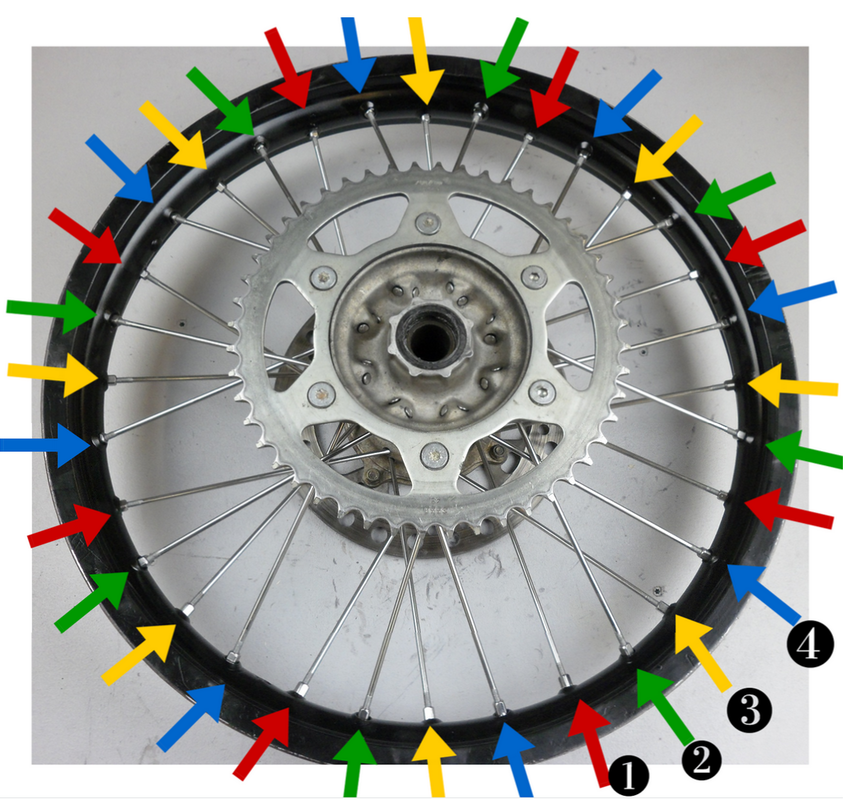
Image Source: www.diymotofix.com
Why Your Dirt Bike Wheel Needs Truing
A true dirt bike wheel is crucial for safe and efficient riding. When a wheel is out of true, it can lead to several problems:
- Wobble and Vibration: This is the most obvious sign. You’ll feel a side-to-side (lateral) or up-and-down (radial) movement of the rim as it spins.
- Poor Handling: A wobbly wheel makes it harder to control your bike, especially at speed. It can feel like the bike is fighting you.
- Increased Tire Wear: An unbalanced and untrue wheel can cause uneven tire wear, shortening the life of your tires.
- Stress on Components: A constantly vibrating and flexing wheel puts extra stress on spokes, nipples, bearings, and even the frame.
- Brake Issues: If your brakes are rim-mounted, a wobbly wheel will cause inconsistent braking and potentially damage the brake pads or rotor.
The most common causes for a dirt bike wheel going out of true include:
- Impacts: Hitting rocks, roots, or landing hard after jumps can bend the rim or loosen spokes.
- Loose Spokes: Over time, spokes can loosen due to vibration and stress.
- Improper Spoke Tension: Uneven spoke tension from the start can cause the wheel to develop a wobble.
- Rim Damage: A bent or dented rim is a primary cause of a wheel being out of true.
Essential Tools for Wheel Truing
Before you begin, gather the necessary tools. Having the right equipment makes the job much easier and more accurate.
The Core Toolkit
- Spoke Wrench: This is the most important tool. It’s a small, specialized wrench that fits the spoke nipples. They come in various sizes, so ensure you have the correct one for your bike’s spokes. It’s often best to have a few different sizes or a multi-size spoke wrench.
- Truing Stand: While not strictly mandatory for minor adjustments, a good truing stand is invaluable for accurately measuring and correcting lateral and radial runout. It holds the wheel securely and has adjustable indicators to pinpoint where the rim is high or low.
- Tire Pressure Gauge: For checking tire pressure before and after.
- Rag and Cleaner: To clean the rim and spokes for better grip and to see any damage clearly.
- Marker or Chalk: To mark the spokes you adjust.
- Optional but Helpful:
- Dial Indicators: For highly precise measurements on a truing stand.
- Tension Meter: To measure and equalize spoke tension accurately.
- Pliers: For holding spoke nipples if they are particularly stubborn.
- Lubricant (e.g., light oil or anti-seize): To apply to spoke threads to prevent seizing.
Preparing Your Dirt Bike Wheel for Truing
Proper preparation ensures you have a clean working surface and can accurately assess the wheel’s condition.
Cleaning and Inspection
- Remove the Wheel: Safely lift your dirt bike and remove the wheel you intend to true.
- Remove the Tire and Tube: This is crucial. You cannot accurately true a wheel with the tire and tube still on. The weight and shape of the tire can mask or exaggerate wobbles.
- Clean the Rim and Spokes: Thoroughly clean the rim, spokes, and spoke nipples. Remove any dirt, mud, or grime. A clean rim allows for better observation of any bends or dents.
- Inspect for Damage: Carefully examine the rim for any significant dents, cracks, or bends. If the rim is severely damaged, truing might not be possible, and replacement will be necessary. Check spokes for kinks, bends, or signs of fatigue. Inspect spoke nipples for damage or stripped threads.
The Wheel Truing Process: Step-by-Step
This is where the meticulous work begins. We’ll focus on identifying and correcting both radial and lateral runout.
Understanding Runout: Radial vs. Lateral
Before you grab your spoke wrench, it’s important to know what you’re looking for.
- Radial Runout: This is the up-and-down movement of the rim as it spins. Imagine looking at the wheel from the side – radial runout is when the rim dips down or pops up in certain spots. It’s essentially a “hop.”
- Lateral Runout: This is the side-to-side wobble of the rim. Looking at the wheel from the front or back, lateral runout is when the rim moves left or right.
Setting Up Your Truing Stand
If you have a truing stand, set it up on a stable surface. Adjust the stand’s arms so the indicators are just touching the rim’s edge. Ensure the stand is adjusted correctly for your wheel’s size.
Identifying the Wobble
- Mount the Wheel: Mount the wheel securely in your truing stand. If you don’t have a stand, you can prop the bike up and use a stationary object (like a zip tie on the fork or frame) as a reference point.
- Spin the Wheel: Slowly spin the wheel and watch the indicators (or your reference point).
- Mark High Spots:
- For Lateral Runout: As the wheel spins, the rim will move closer to and further away from the indicator. Mark the spot on the rim where it’s closest to the indicator (this is a “high” spot on the opposite side of the wobble).
- For Radial Runout: The rim will move closer to and further from the indicator vertically. Mark the highest points of the hop.
Making Adjustments with the Spoke Wrench
This is where the art of spoke tension comes into play. The goal is to equalize spoke tension around the wheel, which in turn straightens the rim.
Adjusting Lateral Runout
- Identify the “High” Spot: Let’s say you’ve identified a spot on the rim that’s sticking out to the left (a high spot in terms of lateral runout).
- Tighten Spokes on the “Tight” Side: To pull that high spot back in, you need to tighten the spokes that are pulling the rim towards the center of the wheel on that side of the hub. These are the spokes on the side opposite the direction the rim is leaning.
- Loosen Spokes on the “Loose” Side: Conversely, you’ll want to loosen the spokes on the side of the hub that the rim is leaning towards.
- How Much to Turn: This is the tricky part. Start with very small adjustments – a quarter or half turn of the spoke nipple. It’s always better to make several small adjustments than one large one.
Adjusting Radial Runout
- Identify the “High” Spot: You’ve marked where the rim is highest (a “hop”).
- Tighten Spokes Radiating from that Point: To pull that high spot down, you need to tighten the spokes that are attached to that part of the rim.
- Loosen Spokes on the “Low” Spot: In the spot where the rim is lowest, you’ll need to loosen the spokes attached to that area.
- The Balance: Remember that spoke tension is interconnected. Tightening spokes to pull up a low spot will affect adjacent areas. The goal is overall tension balance.
The Process of Alternating Adjustments
You’ll often find that correcting one type of runout can affect the other. Therefore, the process is iterative:
- Make a small adjustment: Tighten or loosen a few spokes.
- Spin and re-check: Spin the wheel again and see how the runout has changed.
- Repeat: Continue making small adjustments, alternating between lateral and radial corrections as needed.
Key Principle: Adjacent Spokes: When correcting, focus on the spokes directly connected to the area of the rim you are adjusting. If a spot is high (lateral), tighten spokes on the opposite side of the hub and loosen spokes on the side the rim is leaning towards. If it’s a radial hop, tighten spokes at the highest point of the rim.
Equalizing Spoke Tension
Once the wheel is spinning relatively true, your focus shifts to spoke tension.
- Checking Tension: Use a spoke wrench to gently check the tightness of each spoke. They should feel snug, not loose, but also not overly tight.
- Using a Tension Meter (Optional): If you have a spoke tension meter, use it to measure the tension of each spoke. Aim for consistency. Consult your motorcycle’s manual or online forums for recommended spoke tension values for your specific model.
- Adjusting for Evenness: If you find spokes that are significantly looser than others, tighten them a little at a time until they match the general tension of their neighbors. Be mindful of turning spokes evenly.
Table: Common Spoke Adjustment Actions
| Problem Location on Rim | Radial Runout Action | Lateral Runout Action (Rim leaning LEFT) | Lateral Runout Action (Rim leaning RIGHT) |
|---|---|---|---|
| High Spot | Loosen spokes connected to the high spot. | Tighten spokes on the RIGHT side of the hub. | Tighten spokes on the LEFT side of the hub. |
| Low Spot | Tighten spokes connected to the low spot. | Loosen spokes on the LEFT side of the hub. | Loosen spokes on the RIGHT side of the hub. |
| Rim Leaning Out | (Same as Lateral Runout – Rim leaning OUTSIDE) | Tighten spokes on the INSIDE of the hub. | Tighten spokes on the INSIDE of the hub. |
| Rim Leaning In | (Same as Lateral Runout – Rim leaning INSIDE) | Loosen spokes on the OUTSIDE of the hub. | Loosen spokes on the OUTSIDE of the hub. |
Note: “Inside” and “Outside” refer to the direction relative to the hub centerline for lateral adjustments.
The Importance of Small, Incremental Adjustments
It cannot be stressed enough: make small adjustments. A quarter turn at a time is a good starting point. Spin the wheel, check again, mark, adjust, repeat. Rushing this process will lead to frustration and an untrue wheel.
The “Spoke Nipple Lube” Trick
When spokes become very dry, the spoke nipples can bind. Applying a small amount of light oil or anti-seize to the spoke threads before you start truing can make turning the nipples much smoother and prevent them from breaking. Be sparing; you don’t want excess lubricant attracting dirt.
Checking Your Work and Final Touches
After you’ve made your adjustments, it’s time to verify your efforts.
Final Spin and Check
- Spin the Wheel: Give the wheel a good, solid spin in the truing stand.
- Observe: Watch the indicators carefully. Ideally, the rim should now be running true with minimal or no wobble.
- Repeat if Necessary: If there’s still a noticeable wobble, repeat the process of identifying and adjusting. It might take several passes to get it perfect.
- Check All Spokes: Give every spoke another gentle twist to ensure they all feel consistently snug.
Reinstalling the Tire and Tube
- Clean Rim Bed: Make sure the rim bed where the tire sits is clean.
- Lubricate Tire Beads: Use tire mounting lubricant on the tire beads to help them seat easily.
- Install Tube: Inflate the tube slightly to give it some shape, insert it into the tire, and then carefully mount the tire onto the rim.
- Seat the Tire: Inflate the tire to the recommended pressure. Ensure the tire bead is seated evenly all around the rim.
- Check for Wobble with Tire On: Once the tire is on and inflated, give the wheel a spin. While the tire itself can introduce slight imperfections, the rim should now be running true. You can also check for any high spots on the tire’s sidewall.
Wheel Balancing
While truing corrects wobbles, wheel balancing addresses the weight distribution of the wheel and tire assembly. An unbalanced wheel will cause vibrations, especially at higher speeds.
- When to Balance: It’s a good idea to balance your dirt bike wheel after truing, especially if you’ve had to make significant spoke adjustments or have fitted a new tire.
- How to Balance: Dirt bike wheels are typically balanced using small adhesive weights applied to the rim. You can buy wheel balancing kits or have this done by a professional. The goal is to add weight to the opposite side of the wheel’s heaviest point to make the weight distribution even.
Common Pitfalls and Pro Tips
Here are some things to watch out for and advice from experienced mechanics.
Don’t Overtighten!
This is a critical warning. Overtightening spokes can:
- Break spokes.
- Strip spoke nipples.
- Damage the rim (especially alloy rims).
- Cause the rim to become concave, which is very difficult to fix.
Always start with small turns and feel the tension.
Dealing with Stubborn Spoke Nipples
If a spoke nipple is seized or difficult to turn:
- Apply More Lubricant: A little more light oil or anti-seize can help. Let it soak in for a bit.
- Gentle Persuasion: Use a bit more force with the spoke wrench, but be careful not to round off the nipple.
- Consider Replacement: If a nipple is truly seized or stripped, it might be easier and safer to cut the spoke and replace both the spoke and nipple.
Uneven Spokes are Your Enemy
A key to a true wheel is equal spoke tension. If you have a mix of very tight and very loose spokes, the wheel will naturally want to pull itself out of true. Focus on bringing all spokes to a similar, snug tension.
Rim Straightness is Paramount
If your rim itself is significantly bent, no amount of spoke adjustment will make it perfectly true. Spoke tension can correct minor rim imperfections, but major bends require rim replacement.
Patience is Key
Wheel truing is not a race. Take your time, work methodically, and don’t get discouraged if it takes a few tries to get it right.
When to Seek Professional Help
While this guide empowers you to true your own dirt bike wheel, there are times when professional help is the best option:
- Severely Damaged Rim: If the rim is bent, cracked, or has significant dents, a professional may be able to repair it, or you might need a replacement.
- Broken Spokes: If multiple spokes are broken, it indicates a larger issue and a professional can assess the cause.
- Lack of Tools or Confidence: If you don’t have a truing stand or a proper spoke wrench, or if you’re not comfortable performing the task, it’s best to take it to a reputable motorcycle shop.
- Persistent Problems: If you’ve tried to true your wheel multiple times and it keeps going out of true, there might be an underlying issue with the hub or spokes that a professional can diagnose.
Frequently Asked Questions (FAQ)
Q: How often should I true my dirt bike wheels?
A: It depends on your riding. If you ride aggressively or hit a lot of obstacles, check your wheels regularly (every few rides). For casual riding, checking every few months or when you notice a wobble is sufficient.
Q: Can I true a wheel without a truing stand?
A: Yes, you can make minor adjustments without a stand by using a zip tie or a marker tied to your fork or frame as a reference. However, a truing stand provides far greater accuracy for precise adjustments.
Q: What are the typical spoke sizes for dirt bikes?
A: Common spoke sizes are 8, 9, and 10 gauge. It’s best to check your motorcycle’s manual or measure your existing spokes to ensure you have the correct spoke wrench size.
Q: Will truing my wheel affect wheel balancing?
A: Yes, significant spoke adjustments can change the overall weight distribution of the wheel assembly. It’s advisable to check wheel balancing after truing, especially if you’ve made substantial changes.
Q: My rim is dented. Can I still true the wheel?
A: Minor dents can sometimes be compensated for with spoke tension. However, if the dent is deep or deforms the rim significantly, it will be very difficult, if not impossible, to true perfectly. Severe dents often require rim replacement.
Q: What is spoke tension and why is it important?
A: Spoke tension refers to how tight the spokes are. It’s important because it holds the wheel together and provides its structural integrity. Consistent and correct spoke tension is vital for a strong, true wheel.
By following these expert tips and taking your time, you can master the art of wheel truing and keep your dirt bike running smoothly and safely. Happy wrenching!