
An electric bicycle’s top speed can vary significantly, but most legal e-bikes in the US are capped at 20 mph for pedal-assist models and 28 mph for faster Class 3 models, while Europe typically limits them to 15.5 mph. The speed of an electric bicycle is influenced by several key factors, including motor power, battery output, the type of assistance, rider input, terrain, and even the bike’s design.
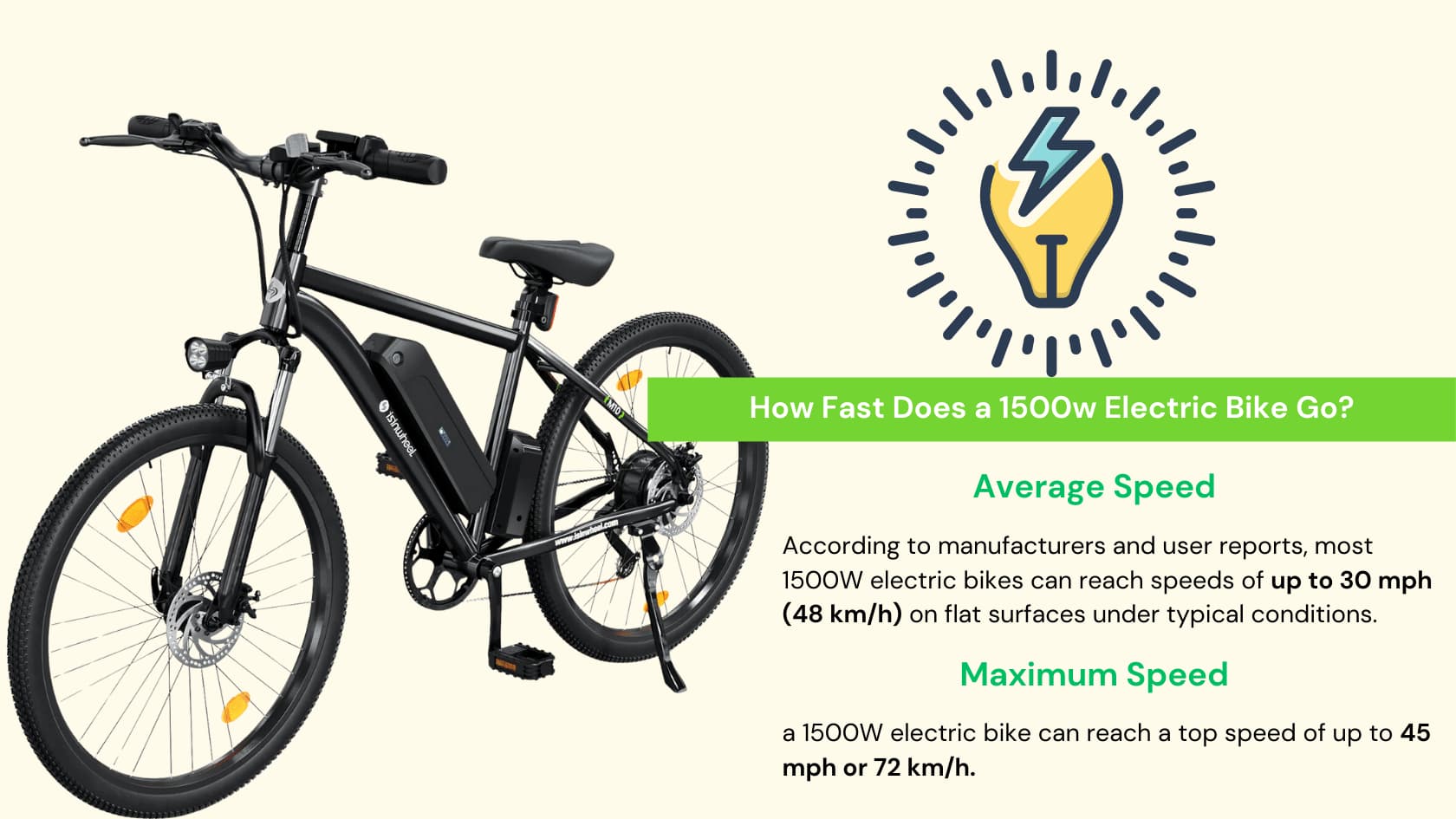
Image Source: www.isinwheel.com
Exploring Electric Bike Speed
The question of “how fast does an electric bike go?” is a common one for anyone considering making the switch to electric-assisted cycling. The answer isn’t a single number, but rather a range influenced by a complex interplay of components and external forces. Understanding these elements will help you choose an e-bike that aligns with your needs and local regulations. This article will delve deep into the factors that determine your electric bicycle’s speed, from the raw power of its motor to how you choose to ride it. We’ll look at e-bike performance, electric bike motor power, pedal assist speed, and what constitutes fast electric bikes.
Decoding E-bike Top Speed
The e-bike top speed is often the most prominent figure advertised. However, it’s crucial to know that this speed is frequently tied to specific conditions and regulations. In many regions, there are legal limits to how fast an e-bike can go, particularly when relying solely on motor power. These limits are in place to classify e-bikes and ensure rider safety. For instance, a common classification involves pedal assist speed limits, meaning the motor only provides assistance up to a certain mph as long as you are pedaling.
Factors Dictating Electric Bicycle Speed
Several elements contribute to the overall speed an electric bicycle can achieve:
1. Electric Bike Motor Power (Watts)
The electric bike motor power, measured in watts (W), is a primary determinant of speed and acceleration. Motors come in various power ratings, typically ranging from 250W to over 1000W.
- Lower Wattage Motors (250W-350W): These are common for standard e-bikes and often found in commuter or recreational models. They provide sufficient power for moderate inclines and headwinds, typically assisting up to the legal speed limits.
- Mid-Range Wattage Motors (500W-750W): These motors offer a noticeable boost in power, allowing for quicker acceleration and the ability to tackle steeper hills with more ease. They are often found in e-MTBs or touring e-bikes.
- High Wattage Motors (1000W+): These are found in high-performance or off-road e-bikes and can propel the bike to much higher speeds. However, their legality on public roads may be restricted depending on local laws.
Table: Motor Power and Expected Performance
| Motor Wattage | Typical Top Speed (Pedal Assist) | Acceleration | Hill Climbing Capability |
|---|---|---|---|
| 250W | 20 mph | Moderate | Good for gentle slopes |
| 500W | 20-28 mph | Strong | Excellent for most hills |
| 750W | 20-28 mph | Very Strong | Superior hill climbing |
| 1000W+ | 28 mph+ (off-road or specific classes) | Explosive | Exceptional |
2. Battery Voltage and Amperage (Power Delivery)
While motor wattage indicates the maximum power output, the battery’s voltage (V) and amperage-hour (Ah) rating significantly impact how effectively that power is delivered and sustained.
- Voltage: Higher voltage batteries (e.g., 48V, 52V) can deliver more power to the motor, contributing to higher speeds and better acceleration compared to lower voltage batteries (e.g., 36V) when paired with comparable motors.
- Amperage-Hours (Ah): Ah determines the battery’s capacity, affecting e-bike range and speed. A higher Ah battery can supply the necessary current to the motor for longer periods, helping maintain higher speeds, especially during demanding rides.
3. Type of Electric Assist (Pedal Assist vs. Throttle)
E-bikes offer different ways to engage the motor:
- Pedal Assist: The motor provides assistance proportional to your pedaling effort. The intensity of assistance is usually adjustable through different levels (eco, normal, sport). The pedal assist speed is often limited by the e-bike’s classification (e.g., 20 mph for Class 1 and 2 in the US, 28 mph for Class 3).
- Throttle: This allows you to engage the motor without pedaling, similar to a motorcycle. The speed you can achieve with a throttle-only is typically governed by the same legal e-bike speed limit as pedal-assist, unless it’s a specific throttle-only model designed for off-road use.
4. Rider Input and Cadence
Your pedaling effort is crucial, especially on pedal-assist bikes.
- Pedal Cadence: How quickly you spin the pedals affects how the motor’s power is applied. Some motors are tuned to provide optimal assistance at a specific cadence.
- Rider Weight and Fitness: A lighter rider or a fitter rider who can pedal with more force will naturally achieve higher speeds, both with and without motor assistance.
5. Terrain and Riding Conditions
The environment plays a significant role in an e-bike’s speed:
- Uphill vs. Downhill: On an incline, the motor works harder, and speed will be lower. Conversely, downhill, gravity assists, and speed can exceed the motor’s nominal capabilities (though braking is then paramount).
- Surface Type: Riding on smooth asphalt will result in higher speeds than riding on gravel, dirt paths, or sandy terrain, where tire resistance and traction are greater.
- Wind Resistance: Headwinds can significantly reduce your speed, requiring more motor effort and potentially draining the battery faster. Tailwinds can provide a helpful boost.
6. E-bike Design and Aerodynamics
The overall design of the e-bike impacts its efficiency and potential speed:
- Frame Geometry: A more aggressive, aerodynamic riding position can reduce wind resistance.
- Tire Width and Tread: Wider tires with knobby treads offer more grip but also more rolling resistance than narrower, smoother tires.
- Weight of the Bike: A lighter e-bike is generally easier to accelerate and maintain speed with, especially on hills.
What is E-bike Performance?
E-bike performance encompasses not just top speed but also acceleration, hill-climbing ability, handling, braking, and overall ride feel. A high-performance e-bike will typically offer a potent motor, responsive controls, and a well-balanced chassis designed for the demands placed upon it.
Understanding Electric Bike Acceleration
Electric bike acceleration refers to how quickly the bike can reach its top speed or a desired cruising speed. This is heavily influenced by:
- Motor Torque: Higher torque motors provide a more aggressive initial push, leading to quicker acceleration from a standstill.
- Power Delivery Curve: How the motor’s power is delivered across the speed range. Some motors have a strong initial surge, while others provide more linear acceleration.
- Gearing: Proper gearing can help the motor operate in its most efficient power band, optimizing acceleration.
Cruising Speed vs. Top Speed
It’s important to distinguish between a comfortable cruising speed and the absolute e-bike top speed. Most riders will find a comfortable cruising speed well within the legal limits, where the motor provides consistent, enjoyable assistance without being overly aggressive or draining the battery too quickly.
Navigating E-bike Speed Limits
The e-bike speed limit is a critical aspect of legal operation. In many places, e-bikes are classified based on their speed capabilities and motor output.
- Class 1 E-bikes: Pedal-assist only, with motor assistance cutting off at 20 mph.
- Class 2 E-bikes: Throttle-assisted, with motor assistance cutting off at 20 mph.
- Class 3 E-bikes (Speed Pedelecs): Pedal-assist only, with motor assistance cutting off at 28 mph, and often featuring a speedometer.
These classifications dictate where you can ride your e-bike. Understanding these electric bike specifications is vital for compliance. Riding a bike that exceeds these limits on paths designated for lower-speed e-bikes could result in fines or other penalties.
The Relationship Between E-bike Range and Speed
E-bike range and speed are inversely related. The faster you ride, and the higher the assist level you use, the more battery power you consume, thus reducing your overall range.
- Lower Speeds and Eco Modes: Conserve battery and extend range.
- Higher Speeds and Sport Modes: Consume battery more rapidly, reducing range.
If you need to cover long distances, maintaining a moderate speed and utilizing lower pedal-assist levels will be more effective than constantly pushing for the maximum e-bike top speed.
What Makes a Fast Electric Bike?
Fast electric bikes typically feature:
- Powerful Motors: Often 750W or higher, designed for high output.
- High-Voltage Batteries: To sustain higher power delivery.
- Advanced Controllers: To manage power flow efficiently.
- Aerodynamic Design: To minimize drag at higher speeds.
- Robust Braking Systems: Essential for controlling higher speeds safely.
These bikes are often classified differently and may have restrictions on where they can be legally ridden, particularly on public bike paths or trails.
Common Electric Bike Specifications and Their Impact on Speed
When looking at electric bike specifications, pay attention to:
- Motor Power (Watts): As discussed, a key factor.
- Top Speed Rating: The manufacturer’s stated limit, usually tied to legal classifications.
- Battery Voltage (V) and Capacity (Ah): Affects power delivery and duration.
- Torque (Nm): Indicates the pulling power, affecting acceleration and hill climbing.
- Gearing: Can help optimize speed and efficiency.
Motor Types and Their Speed Potential
There are two main types of motors used in e-bikes:
- Hub Motors: These are integrated into the front or rear wheel hub.
- Front Hub Motors: Simpler to install, but can sometimes affect steering feel and traction on loose surfaces.
- Rear Hub Motors: Offer better traction and a more balanced feel. High-powered rear hub motors are common in performance e-bikes.
- Mid-Drive Motors: These are mounted in the crankset area, driving the bicycle’s drivetrain directly.
- Mid-drive motors generally offer better torque, superior hill-climbing ability, and a more natural riding feel as they utilize the bike’s gears. They are often found in higher-end fast electric bikes and e-MTBs.
The placement and type of motor can influence how the bike’s power is translated into speed and how it feels to ride.
Riders’ Influence on E-bike Speed
Beyond the bike’s hardware, the rider is a significant variable:
- Pedaling Effort: The more you pedal, the more you contribute to speed, especially in pedal-assist modes.
- Body Position: An aerodynamic tuck can shave off precious mph compared to an upright position, particularly at higher speeds.
- Weight: A heavier rider will require more power to reach and maintain the same speed as a lighter rider.
Maintaining Speed: Beyond the Initial Push
Achieving a certain speed is one thing; maintaining it is another. Factors like tire pressure, drivetrain cleanliness, and the overall efficiency of the e-bike system play a role.
- Tire Pressure: Properly inflated tires reduce rolling resistance, allowing the bike to maintain speed with less effort.
- Drivetrain Maintenance: A clean and well-lubricated chain and gears ensure efficient power transfer from the rider and motor to the wheels.
Frequently Asked Questions (FAQ)
Q1: Can I make my e-bike go faster than its legal limit?
While it might be technically possible to remove or bypass speed limiters on some e-bikes, doing so is often illegal for road use and can void your warranty. It’s essential to ride within the legal speed limits for your e-bike’s classification and your location.
Q2: How does rider weight affect e-bike speed?
Rider weight directly impacts the energy required to move the bike. A heavier rider will generally achieve lower speeds or require more assistance (and thus drain the battery faster) to reach the same speed as a lighter rider, especially on inclines.
Q3: What is the average speed of an electric bike?
The average cruising speed for most e-bikes, when pedaling and using moderate assist, is often between 15-20 mph. The top speed is dictated by the motor and legal limits, typically capping out at 20 mph or 28 mph for legal road use.
Q4: Do I need a license to ride an electric bike?
In most places, no license is required to ride a standard e-bike (Class 1, 2, or 3) as long as you adhere to the speed and power regulations. However, this can vary by region, and for faster, more powerful electric bikes (often classified as mopeds or motorcycles), a license and registration may be necessary. Always check your local laws.
Q5: How does pedal assist speed work?
Pedal assist systems use sensors to detect when you are pedaling and how hard you are pedaling. The motor then provides a boost based on the selected assist level. The system will typically stop providing motor assistance once you reach a predetermined speed limit for that class of e-bike.
In conclusion, the speed of an electric bike is a multifaceted characteristic. By understanding the interplay of motor power, battery capacity, rider input, and environmental factors, you can better appreciate the capabilities of your electric bicycle and make informed choices about your riding experience. Whether you’re looking for a leisurely cruise or a brisk commute, there’s an e-bike out there to match your speed needs.