
How should bike shorts fit? They should feel snug and supportive without being constricting, allowing for a full range of motion and preventing chafing. The key is a firm, second-skin feel that stays in place.
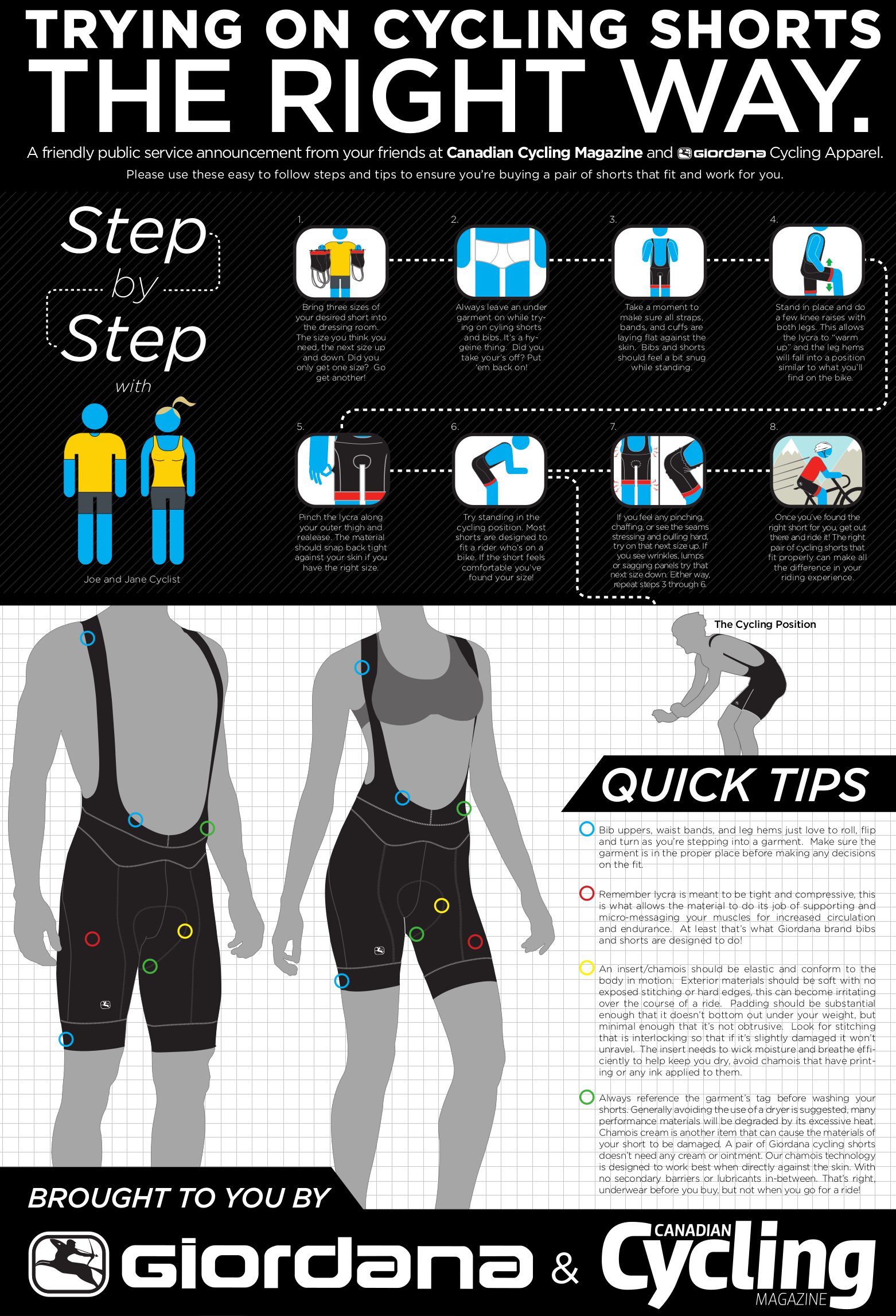
Image Source: cyclingmagazine.ca
The Essentials of Proper Bike Shorts Fit
Getting the fit of your cycling shorts right is crucial for comfort, performance, and preventing painful issues like chafing. Unlike casual athletic shorts, cycling shorts are designed with specific features that require a particular fit to work effectively. This guide will delve into how your bike shorts should feel, the importance of bike shorts tightness, and how to find the perfect size.
Why Fit Matters So Much
When you’re out on a ride, especially a longer one, every detail counts. A poorly fitting pair of cycling shorts can lead to:
- Chafing: This is the most common and immediate consequence of ill-fitting shorts. Loose fabric bunches up, creating friction points.
- Discomfort: Anything from a tight waistband digging in to shorts that constantly slide down can ruin a ride.
- Reduced Performance: Unnecessary movement of the shorts can be distracting and even slightly hinder your pedaling efficiency.
- Poor Chamois Function: The padded insert (chamois) in cycling shorts is designed to be held in place by a snug fit. If the shorts are too loose, the chamois won’t sit correctly against your skin, defeating its purpose.
Deciphering Bike Shorts Tightness
When we talk about bike shorts tightness, it’s not about being painfully restrictive. It’s about a supportive, compressive feel. Your cycling shorts should feel like a second skin, hugging your legs without pinching or cutting off circulation.
- No Sagging: The fabric should be smooth and taut across your skin. If you see wrinkles or sagging, especially around the crotch or behind the knees, the shorts are likely too big.
- Waistband Comfort: The waistband should stay in place without digging into your stomach or lower back. It should feel secure, not like it’s about to fall down.
- Leg Grippers: The grippers at the hem of your shorts (usually silicone or rubberized strips) should hold the shorts in place without feeling like a tourniquet. They should feel firm but not uncomfortable.
- No Visible Panty Lines (VPL): While not directly about function, a good fit means the shorts contour to your body smoothly, so you don’t see awkward lines from the fabric.
The Role of Cycling Shorts Compression
Many high-quality cycling shorts incorporate a degree of cycling shorts compression. This compression is beneficial for several reasons:
- Muscle Support: Compression helps to support your leg muscles, reducing fatigue and potentially improving blood flow during long rides.
- Vibration Dampening: It can help to minimize muscle vibration, which can contribute to soreness over time.
- Streamlining: The snug fit reduces wind resistance and prevents fabric flapping.
- Keeps Chamois in Place: As mentioned, compression is key to keeping the chamois perfectly positioned.
You should feel a gentle, even pressure around your quads and hamstrings. It shouldn’t feel like you’re wearing a compression sleeve that’s too tight; it’s a supportive hug.
Padded Bike Shorts Fit: The Chamois Connection
The fit of padded bike shorts is intrinsically linked to how well the chamois performs. The chamois is designed to cushion your sit bones and perineum, reduce friction, and wick away moisture.
- Chamois Placement: The chamois should cover your sit bones and extend forward to protect your perineal area. With the correct fit, the chamois will stay precisely where it needs to be, moving with your body, not against it.
- No Bunching: If the shorts are too loose, the chamois can bunch up or shift, creating uncomfortable seams and potential hotspots for chafing.
- Smooth Surface: The surface of the chamois should lie smoothly against your skin. Any folds or wrinkles indicate a poor fit.
Bib Shorts Fit: An Elevated Experience
Bib shorts fit offer a different experience than traditional waist-banded shorts, often providing a superior fit and comfort, especially for longer rides.
- Bib Straps: The shoulder straps should sit comfortably on your shoulders without digging in or feeling too loose. They should provide a gentle tension to keep the shorts pulled up. Think of them as holding your shorts in place, not carrying their weight.
- Paneling: Bib shorts often have multiple panels that are designed to contour to the body. These should lie flat and smooth, without pulling or gaping.
- Waist Connection: The point where the bib straps connect to the shorts should be seamless and comfortable. There shouldn’t be any excessive tightness or looseness around your torso.
- Chamois Support: The bib straps help to keep the chamois perfectly in place by maintaining consistent tension. This eliminates the worry of shorts sliding down and the chamois moving with them.
How Should Cycling Shorts Feel?
Ultimately, the best way to describe how should cycling shorts feel is “supportive and seamless.”
- Second Skin: They should feel like a comfortable, second skin that moves with you.
- Unnoticeable: Once you’re on the bike, you should largely forget you’re wearing them, aside from the comfort they provide.
- Secure: You shouldn’t have to adjust them constantly. They stay put, allowing you to focus on pedaling.
- Breathable: Good cycling shorts allow for good air circulation, preventing excessive heat buildup and sweat.
Finding the Right Bike Shorts Size
Finding the right bike shorts size is often a process of trying them on and paying attention to the details mentioned above.
Sizing Charts: Your First Step
Every brand has its own sizing chart. Always refer to the manufacturer’s specific measurements for waist, inseam, and sometimes thigh circumference. Don’t assume your usual size will translate across brands.
| Size | Waist (Inches) | Hip (Inches) | Inseam (Inches) |
|---|---|---|---|
| XS | 26-28 | 30-32 | 8-9 |
| S | 28-30 | 32-34 | 8.5-9.5 |
| M | 30-32 | 34-36 | 9-10 |
| L | 32-34 | 36-38 | 9.5-10.5 |
| XL | 34-36 | 38-40 | 10-11 |
| XXL | 36-38 | 40-42 | 10.5-11.5 |
Note: This is a general example. Always consult the specific brand’s sizing chart.
The Try-On Test: What to Look For
- Stand Up: Check for smooth fabric, no sagging, and comfortable leg grippers.
- Sit Down: Mimic a riding position on a chair or stool. Do the shorts stay in place? Does the chamois feel right? Is the waistband comfortable when you’re hunched forward?
- Leg Movement: Stand up and pedal your feet, as if pedaling a bike. Do the shorts restrict your movement? Do the leg grippers pinch?
- Bib Strap Comfort (for Bibs): Gently pull the bib straps. They should feel snug but not strain your shoulders.
- Thigh Gripper Check: The silicone or rubberized grippers on the leg openings should hold the shorts firmly against your thighs without causing numbness or excessive pressure marks.
Considering the Proper Bike Shorts Length
The proper bike shorts length is often a matter of personal preference and riding style, but there are general guidelines.
Traditional vs. Modern Lengths
- Traditional: Shorter inseams, often ending mid-thigh. These are still popular for some riders and can feel more liberated.
- Modern/Euro Cut: Longer inseams, typically ending an inch or two above the knee. This is a very common length for performance-oriented cycling shorts.
Why Length Matters for Fit and Comfort
- Chafing Prevention: Longer shorts can offer more coverage and reduce the risk of chafing at the top of the leg where the shorts end.
- Muscle Compression: Longer shorts can provide more consistent muscle compression along the thigh.
- Aesthetics and Preference: Some riders simply prefer the look and feel of longer shorts.
When trying on shorts, ensure the hem of the shorts (the leg gripper) sits comfortably on your thigh without rolling up or digging in. If you have larger thighs, you might find longer shorts with wider, more flexible grippers more comfortable.
Jersey and Shorts Fit: A Complete Picture
It’s not just about the shorts; jersey and shorts fit work together for optimal comfort and aerodynamics.
- Jersey Length: Your cycling jersey should be long enough in the back to cover your lower back and glutes when you’re in a riding position. This prevents a gap between your jersey and shorts, which can lead to drafts and exposure.
- Jersey Fit: A performance jersey will be more snug than a casual one. It should not be so tight that it restricts your movement or so loose that it flaps excessively in the wind.
- Harmony: When both jersey and shorts fit well, they create a smooth, streamlined profile that enhances comfort and reduces drag.
Avoiding Cycling Shorts Chafing: The Fit Factor
Cycling shorts chafing is almost always a result of improper fit, poor chamois placement, or inadequate lubrication. A good fit is the first line of defense.
- Smooth Fabric: Ensure there are no wrinkles or folds of fabric, especially in the crotch area.
- Secure Chamois: The chamois must remain in place, directly against your skin, without shifting.
- Correct Size: Shorts that are too loose will allow for movement that causes friction. Shorts that are too tight can also cause issues by creating pressure points.
If you’re still experiencing chafing, consider using a chamois cream, which acts as a lubricant between your skin and the chamois, further reducing friction.
Beyond the Fit: Other Considerations
While fit is paramount, other factors contribute to overall comfort and performance:
- Chamois Quality: Not all chamois are created equal. Different densities, shapes, and materials suit different riders and ride types.
- Fabric Type: Moisture-wicking fabrics are essential for keeping you dry and comfortable.
- Seam Placement: Well-constructed shorts have seams that are placed to avoid irritation.
When to Consider New Shorts
Even with a great fit, wear and tear can affect your shorts.
- Stretched Fabric: If your shorts have lost their snugness and feel baggy, it’s time for a replacement.
- Worn Chamois: The chamois can lose its cushioning and shape over time.
- Damaged Grippers: If the leg grippers are no longer holding the shorts in place, they’re not doing their job.
Frequently Asked Questions About Bike Shorts Fit
Q1: Can I wear regular athletic shorts for cycling?
A1: While you can, it’s not recommended for anything more than very casual, short rides. Regular athletic shorts lack the specific design features of cycling shorts, such as the supportive compression, the ergonomically shaped and padded chamois, and the chafe-reducing seams, which are all crucial for comfort and preventing irritation on longer rides.
Q2: How often should bike shorts feel tight?
A2: Bike shorts should feel consistently snug throughout your ride. They shouldn’t loosen up or become baggy as you sweat or pedal. If they start to feel loose, it suggests they may be too big or have stretched out.
Q3: What if my bib shorts feel like they’re pulling too much on my shoulders?
A3: This typically indicates the bib shorts are too short for your torso length, or the straps are too tight. If they are the correct length but feel too tight, check if there’s an adjustment feature on the bibs or consider a size up. Ensure the chamois is also positioned correctly in the crotch area, as this can affect how the bibs sit.
Q4: How do I choose between bib shorts and waist-banded shorts if fit is the same?
A4: While fit is paramount, bib shorts generally offer a more consistent and secure fit because the shoulder straps keep them pulled up, preventing the chamois from shifting. Many riders find bib shorts more comfortable for longer durations. Waist-banded shorts can be more convenient for quick stops and are sometimes preferred by riders who find bib straps uncomfortable.
Q5: How tight should the leg grippers be?
A5: The leg grippers should feel firm and secure, holding the shorts in place without pinching or creating deep indentations on your skin. You should be able to feel them working to keep the shorts from riding up, but they shouldn’t be so tight that they cause discomfort or numbness.
Q6: What’s the difference between men’s and women’s cycling shorts fit?
A6: Women’s cycling shorts are designed with specific anatomical considerations, including different chamois shapes and paneling to accommodate the female anatomy. Bib shorts for women also have different strap designs, often with a more accessible opening for restroom breaks. When choosing, always opt for shorts designed for your gender.
Q7: How do I know if my shorts are too loose?
A7: If you notice fabric bunching, sagging in the crotch, or if you have to pull them up frequently, your shorts are too loose. The chamois should also feel like it’s staying in place, not shifting around or folding.
Q8: What is the ideal inseam length for cycling shorts?
A8: The ideal inseam length is largely personal preference, but modern cycling shorts typically have an inseam ranging from 7 to 11 inches, ending just above the knee. Shorter inseams are also available. The key is that the leg gripper sits comfortably without chafing or restricting movement.
Q9: Can a jersey that’s too tight affect my cycling shorts fit?
A9: Yes, if a jersey is too tight and doesn’t cover your lower back adequately in a riding position, it can create a gap that causes your shorts to feel like they are being pulled down, or it can lead to drafts. A well-fitting jersey complements the fit of your shorts.
Q10: I’m between sizes. What should I do?
A10: If you’re between sizes, consider the fabric. If the fabric has a lot of stretch, the smaller size might work. If you have muscular thighs, you might need to size up to accommodate the leg circumference and ensure the leg grippers aren’t too tight. It’s often best to try both sizes if possible.